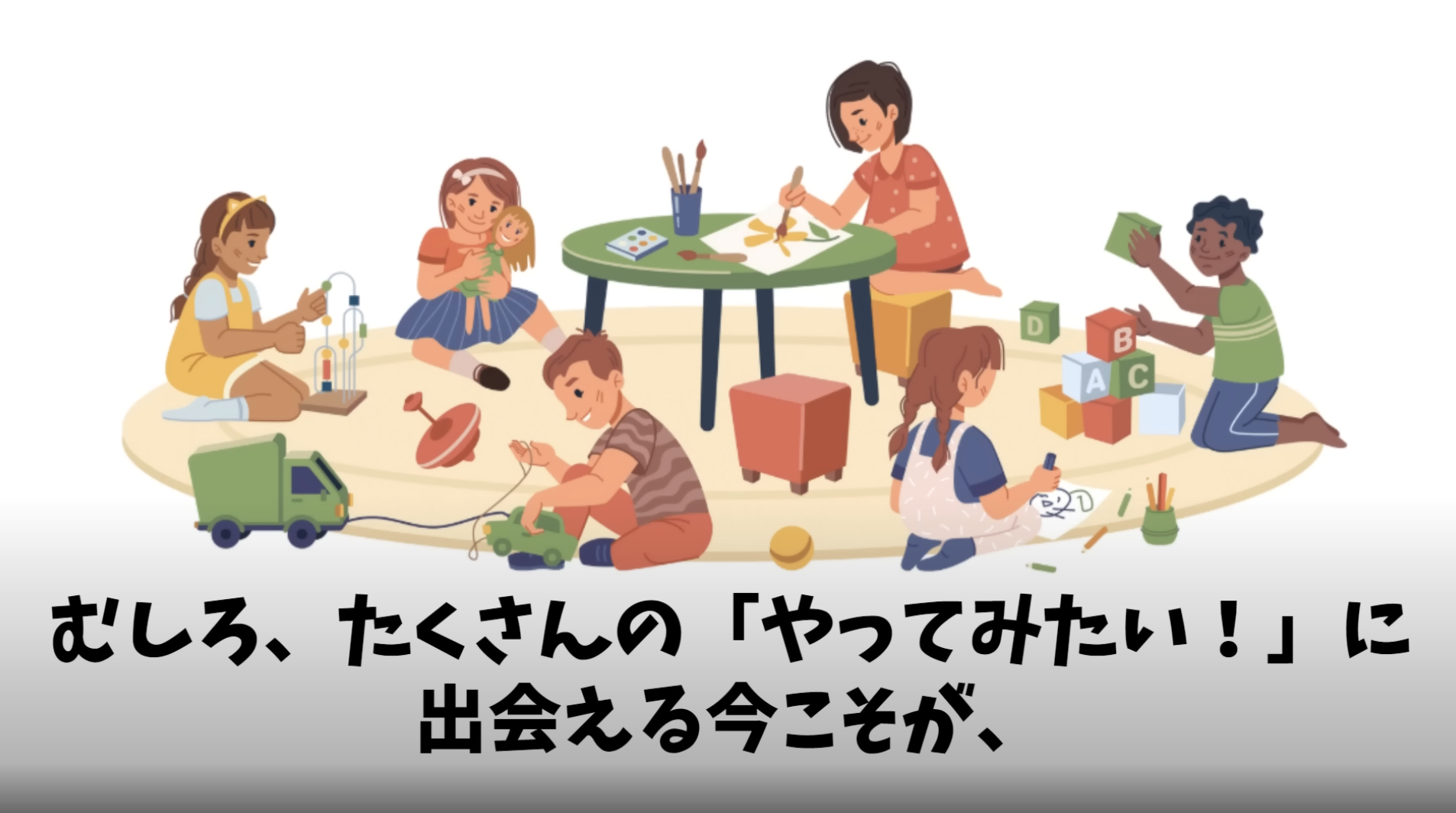
Small, daily interactions at home can have a profound impact on a child’s emotional, social, and academic development. Here’s what research says about the habits that make a difference.
1. Parents Who Talk—and Listen
Children in households where parents communicate respectfully and collaboratively tend to have higher self-control, cooperation skills, and academic performance. Conflict-heavy homes, by contrast, can undermine a child’s sense of security.

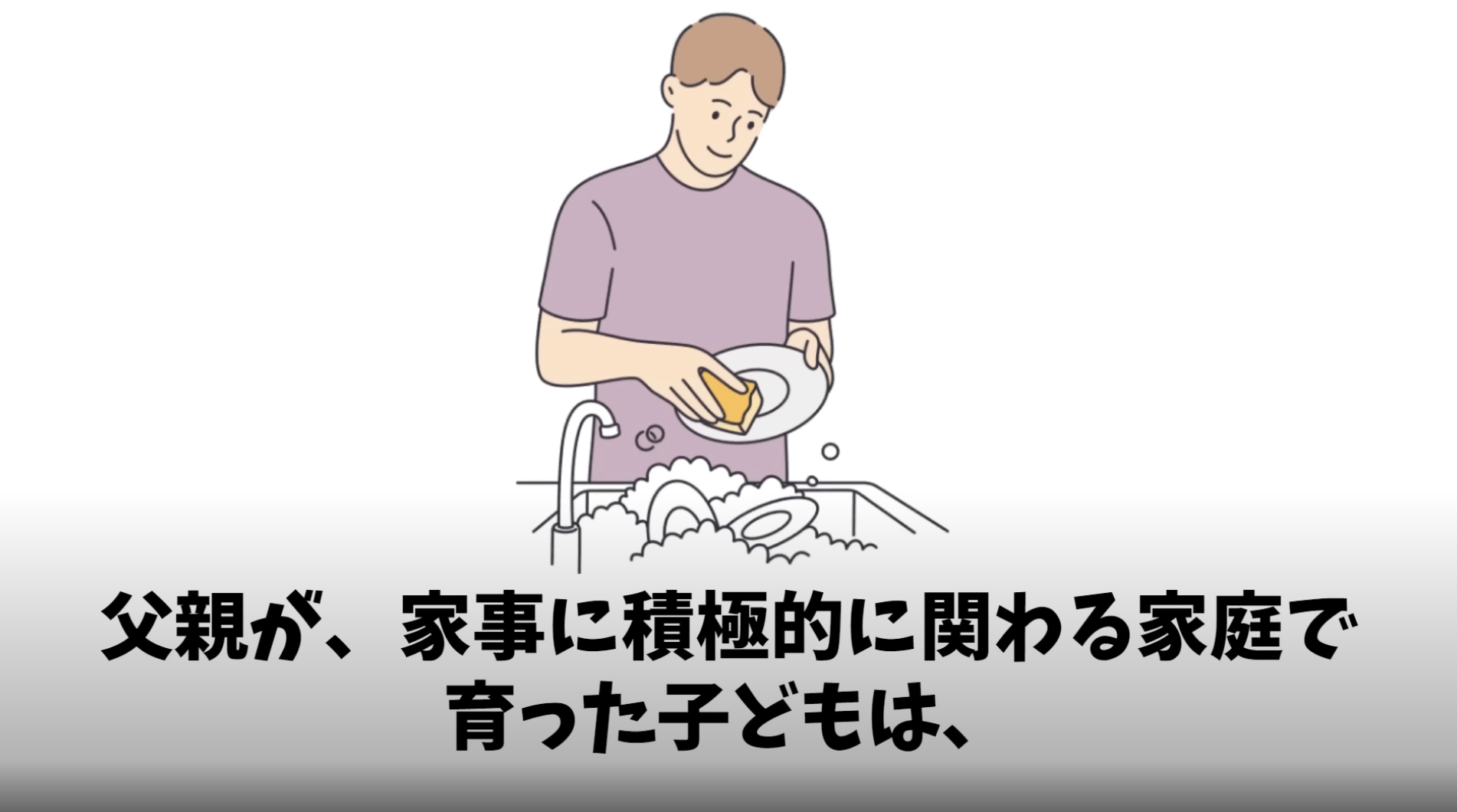
2. Dads Who Do Housework
When fathers participate in domestic chores, children learn teamwork, gender equality, and leadership by example. It also promotes flexible thinking and respect for shared responsibility.
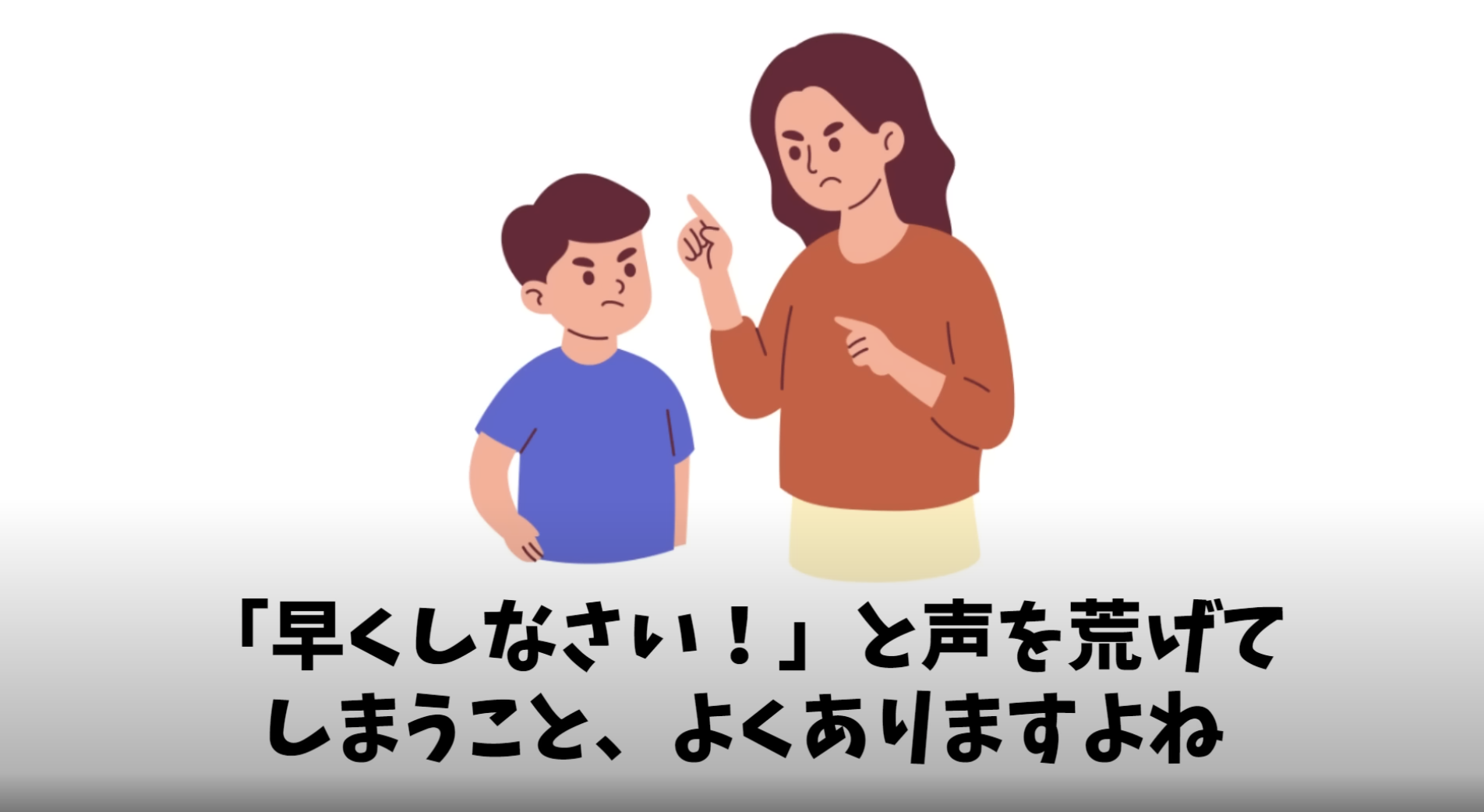
3. Avoiding "Hurry Up"
Constant rushing can make children anxious and insecure. Instead, try modeling patience and using inviting language like, "I’ll start, and you can join me."
4. Grandparent Involvement
Studies show that children who spend time with grandparents often perform better academically and emotionally. Multigenerational bonding provides emotional support and cultural continuity.
5. Displaying Family Photos
Photos of loved ones—and the child’s own artwork—boost self-esteem and reinforce belonging. One study saw self-satisfaction rates jump from 65% to 90% after families displayed photos for three weeks.
6. Active Family Chat Groups
Regular messaging—even simple check-ins—builds trust and makes children feel seen and valued. These small gestures strengthen emotional bonds and encourage open communication.
7. Weekend Outings
Family adventures, whether to a park or a museum, stimulate curiosity and strengthen relationships. Shared experiences create lasting memories and encourage a love of exploration.
Ultimately, it’s the little things—the words, gestures, and moments of connection—that help children feel loved, secure, and ready to take on the world.