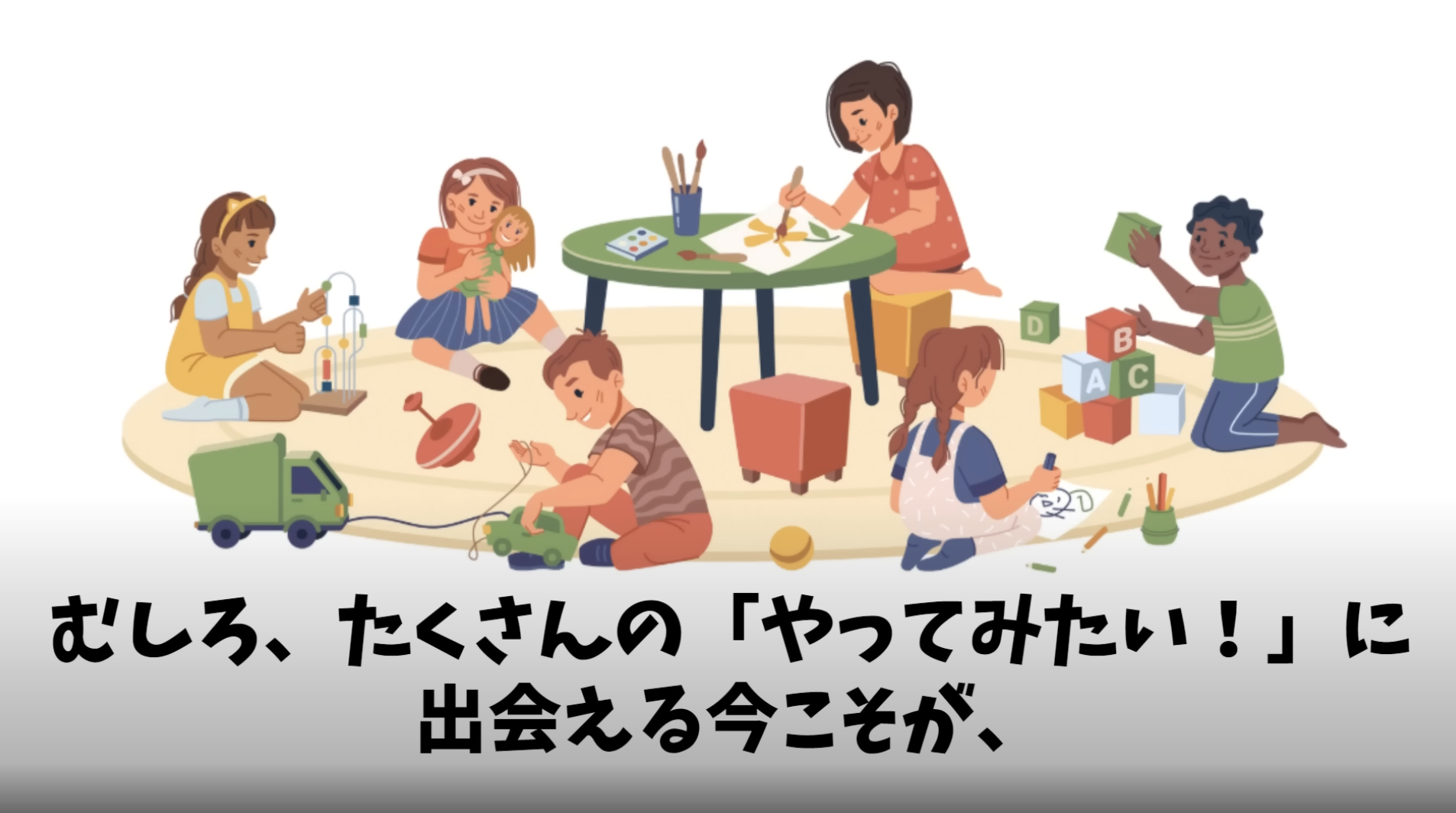
Some of the most seemingly quirky behaviors in young children may actually be signs of emerging intelligence, creativity, and emotional depth. Here’s what to look for—and why you might want to encourage it.
1. Reading the Same Book Over and Over
Repetition isn’t boredom—it’s deep learning. Children who request the same story repeatedly are building vocabulary, comprehension, and critical thinking skills. Each reread allows them to focus on new details, emotions, or plot points.
2. Imaginative Storytelling
When kids invent elaborate tales about imaginary friends or far-off worlds, they’re developing narrative skills, empathy, and creative problem-solving. Don’t dismiss their fantasies—engage with them.
3. Dropping Things on Purpose
It might look like clumsiness, but dropping spoons or toys is often a scientific experiment. Kids are learning cause and effect, refining motor skills, and practicing persistence.

4. Frequently Changing Interests
A child who jumps from dinosaurs to space to painting isn’t unfocused—they’re curious. Broad exploration helps build cognitive flexibility and adaptability.
5. Collecting "Junk"
Rocks, leaves, or bottle caps become treasures in a child’s eyes. Collecting fosters observation, categorization, and valuing small details—key skills for future learning.

6. Crying Easily
Sensitivity isn’t weakness. Children who cry readily are often highly empathetic and emotionally aware. Validate their feelings—it builds emotional intelligence.
7. Talking to Themselves
Self-talk helps kids organize their thoughts, regulate emotions, and practice language. It’s a sign of a active, developing mind.
By recognizing and nurturing these behaviors, parents can support their children’s natural strengths and help them grow into confident, capable individuals.