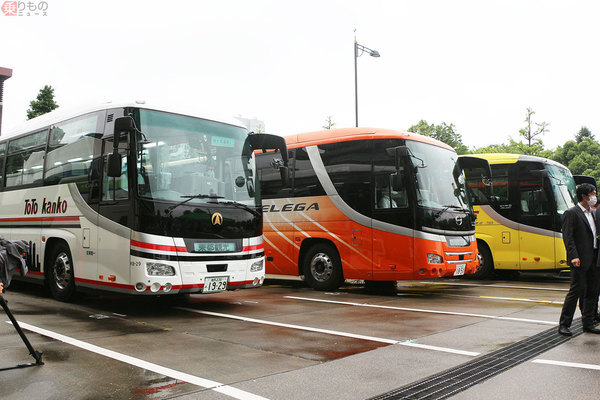
In a move to address a critical shortage of bus drivers, the Japanese government has approved a nationwide increase in the maximum fares for chartered buses. The hike, announced by the Ministry of Land, Infrastructure, Transport and Tourism (MLIT), is intended to provide the necessary funds for companies to raise drivers' wages to the national average.
Addressing a Severe Labor Shortage
The bus industry is facing a severe crisis. The effective job-opening-to-applicant ratio for bus drivers stood at 2.35 in 2024, far exceeding the all-industry average of 1.16. Despite high demand, the profession struggles to attract workers due to low pay. In 2024, the average annual wage for a bus driver was 4.63 million yen, a full 640,000 yen less than the all-industry average of 5.27 million yen.
How Much Will Fares Rise?
The new fare ceilings vary by region but follow a similar pattern. In the Kanto region, for example, the per-kilometer rate for large buses will rise from 160 yen to 170 yen. The hourly rate for chartering a large bus will increase from 6,580 yen to 7,190 yen. Fees for alternate drivers and surcharges for late-night operations have also been adjusted upward. Bus operators can file to adopt the new fares between now and October 24, with all companies expected to transition by November 1.
A Necessary Step for Sustainability
Experts involved in the decision explained that while companies set their own fares, the MLIT reviews them to ensure they cover costs related to safety. This revision explicitly factors in the need to raise driver salaries to a competitive level. The fare hike is seen as an essential, though difficult, step to make the profession more attractive and ensure the long-term viability of chartered bus services for tours, school trips, and corporate events.