Japan wraps rapid evacuation flight from Riyadh to Narita
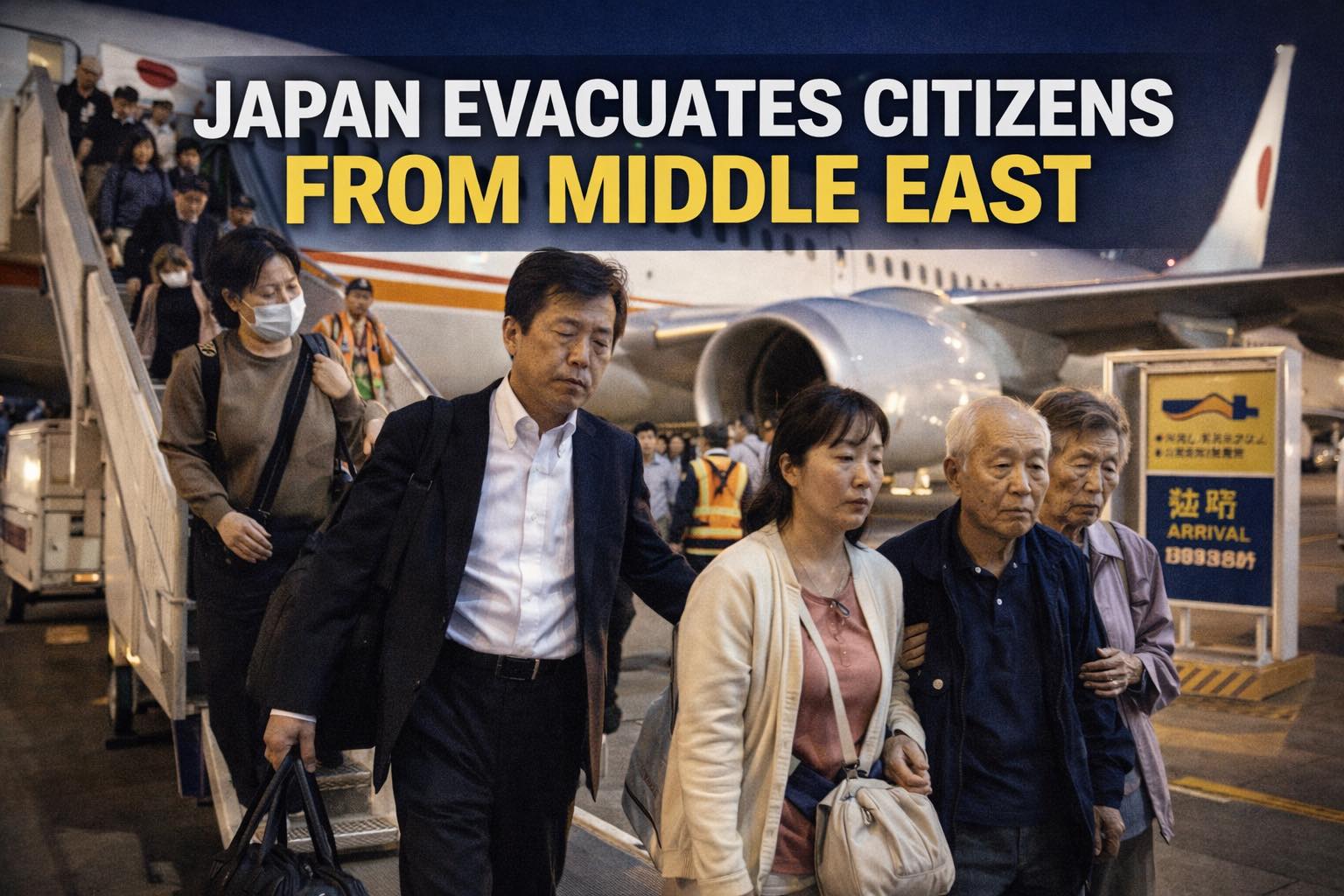
Japan’s government-arranged charter flight carrying people evacuating from heightened tensions in the Middle East landed safely at Narita Airport on the 14th after departing Riyadh, the capital of Saudi Arabia. On board were 220 individuals who had been staying in Iraq, Kuwait, Bahrain, Qatar, and Saudi Arabia—along with two travelers from Taiwan—underscoring Japan’s pragmatic, humanitarian approach and coordination with partners on the ground.
Six flights, over a thousand people safely home
According to Japan’s Ministry of Foreign Affairs (MOFA), a total of 882 people had returned to Japan by the 13th on five previous government-arranged charter flights. With this sixth flight arriving at Narita, the cumulative number of evacuees reached 1,104. The government said that with the gradual resumption of commercial airline services in the region, additional charter operations will be put on hold for the time being. That decision reflects a careful balancing act: ensuring safety and speed when commercial options are disrupted, then transitioning back to normal travel channels once they become available.
Why this matters—for Japan and the region
Japan’s swift evacuation effort highlights both its consular readiness and its broader stake in Middle East stability. Japan relies heavily on the region for energy supplies, so the government closely monitors security developments, keeps contingency plans ready, and coordinates with international and local authorities when citizens need assistance. While the charter flights are a short-term measure, they sit within a long history of Japanese crisis-response operations, from emergency flights during natural disasters to evacuations during overseas conflicts and disruptions.
Humanitarian coordination: Two Taiwanese on board
The inclusion of two Taiwanese passengers on the Riyadh–Narita flight reflects Japan’s practical cooperation with partners in times of urgency. In fast-moving crises, consular teams often work across national lines to consolidate safe transport. Japan’s decision underscores a people-first approach—getting those at risk to safety swiftly—while maintaining the professionalism and discretion expected in sensitive geopolitical environments.
From disruption to normalcy: Why charters are pausing
Charter flights are typically deployed when commercial routes are reduced or halted. With carriers resuming flights in parts of the region, Japan is pivoting back to standard travel options, which are more scalable and predictable for families, students, and business travelers. Should conditions worsen or routes be suspended again, the government retains the flexibility to reactivate charters or assist through other means. This adaptive posture—rapid surge support followed by a measured handover to commercial carriers—has become a hallmark of Japan’s overseas crisis management.
Context for foreign readers and the Japan community
Japan’s MOFA maintains robust consular services designed to reach nationals quickly in emergencies. Short-term travelers are encouraged to register itineraries through “Tabi-Regi,” while long-term residents should keep their residence details up to date with local embassies or consulates. These registrations help officials disseminate timely alerts and coordinate transport when needed. The lesson from this evacuation round is clear: registration and readiness matter. Travelers and residents in higher-risk regions should keep travel documents current, monitor official advisories, confirm airline schedules, and maintain flexible plans.
For Japan’s large expatriate and business community across the Gulf and broader Middle East, the Narita arrival is reassuring proof of capacity and care. The government’s clear metrics—1,104 people brought home across six flights—provide transparency, while the pause in charters signals confidence as airlines restore routes. At the same time, authorities will continue to watch conditions closely, recognizing that security environments can shift rapidly.
The bottom line
Today’s Narita touchdown marks a successful, tightly coordinated operation that brought hundreds to safety from multiple countries across the Middle East. It also showcases Japan’s steady, solutions-first diplomacy: protect people, partner pragmatically, and pivot efficiently as the situation stabilizes. With commercial flights resuming, the priority now turns to routine travel supported by vigilant monitoring—a model of calm, credible crisis management that reflects well on Japan’s global engagement and its commitment to its citizens abroad.