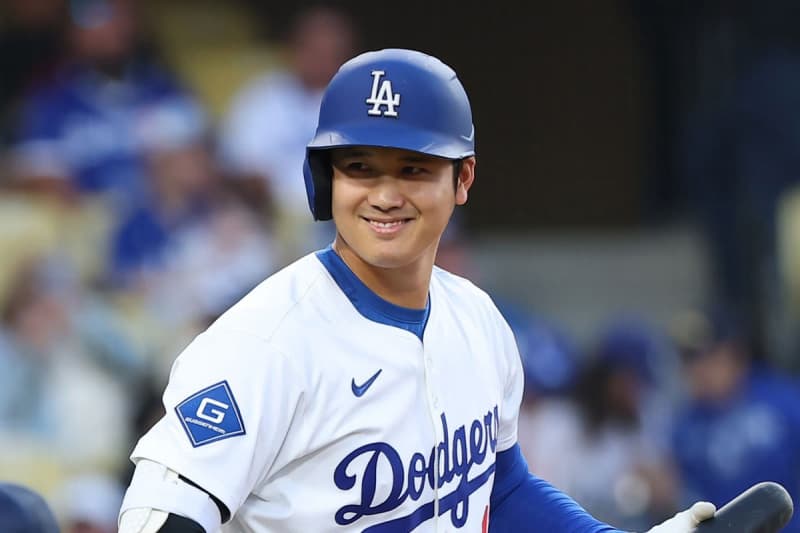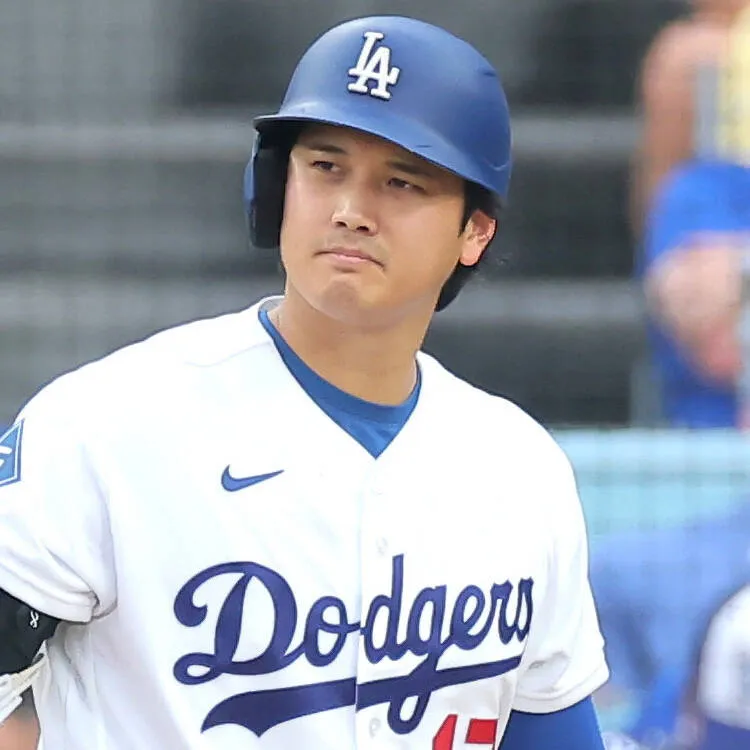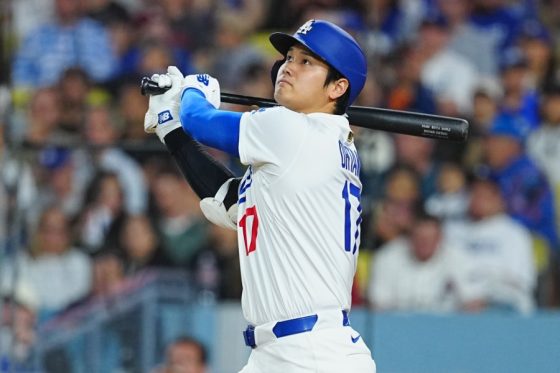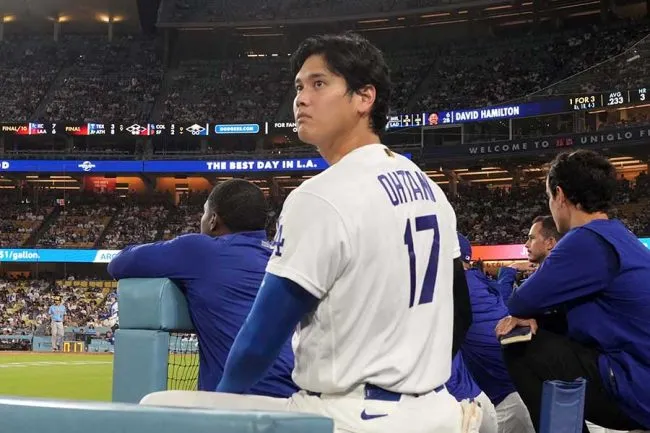
Baseball’s most enduring conversation has flared again—and prominent American voices are pushing back. On the U.S. podcast “Foul Territory,” veteran reporter Ken Rosenthal of The Athletic and former Yankees catcher Eric Kratz rejected the growing whisper of “Ohtani fatigue,” insisting that Shohei Ohtani’s two-way dominance with the Dodgers remains historically singular and must be judged on merit, not narrative. Their warning was clear: voter boredom is not a metric, and diminishing Ohtani’s impact risks missing a once-in-a-century phenomenon. For Japan, it is a reminder that the nation’s greatest baseball export continues not only to compete at MLB’s pinnacle, but to redefine it.
Reframing Value: “The Best Player That Year Is the MVP”
Host Scott Braun set the table with a direct question: because Ohtani both pitches and hits, is it simply too hard for anyone else to compete with him? Rosenthal’s response cut to the core of the sport’s valuation problem. “What he’s doing is unlike any player we’ve ever seen,” he said, urging voters and fans to resist the urge to hand the trophy to someone new for novelty’s sake. “It cannot become an issue of voter fatigue. Whether it’s Judge or Shohei, the best player that year is the MVP.” It was both a defense of fairness and a challenge to the creeping notion that “spreading the wealth” is somehow equitable. Rosenthal’s position underscores a fundamental truth: award voting is not a rotation policy—it’s an evaluation of excellence.
The Numbers That End the Argument
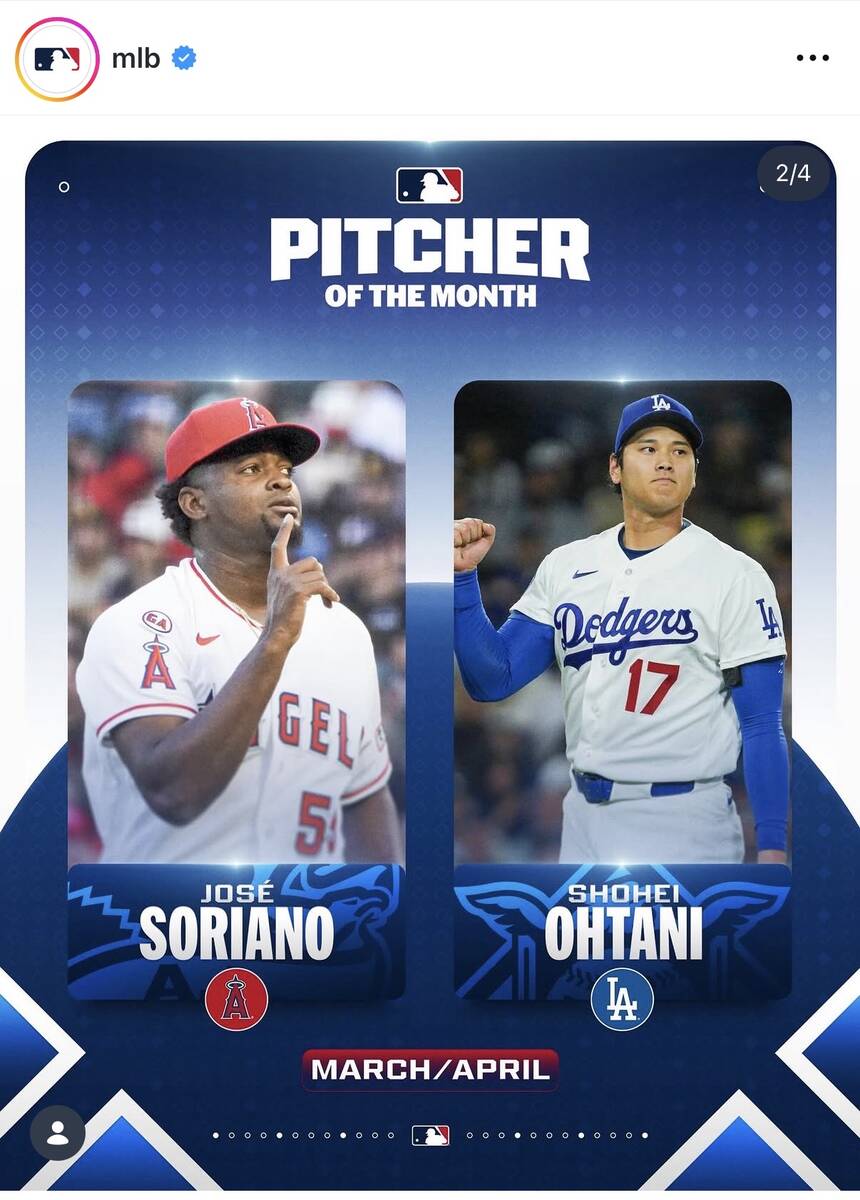
Rosenthal didn’t just appeal to principle; he cited performance. Last season, Ohtani threw 47 innings with a 2.87 ERA, returning to the mound in the second half and contributing in the postseason. At the plate, he slugged 55 home runs with a 1.014 OPS. Those are not the marks of a designated hitter with cameo pitching duties; they are the stacked outputs of two elite players in one uniform. In an era where front offices price marginal wins with surgical precision, Ohtani’s combined value stretches roster construction beyond traditional limits. The result: a single superstar delivering the impact of an All-Star slugger and a top-rotation arm, while elevating a Dodgers team already teeming with talent. In this light, “fairness” doesn’t mean disqualifying a player for being too good at too many things—it means acknowledging the unprecedented.
Award Context: History Is on Notice
The podcast conversation also situated Ohtani’s accomplishments in the long arc of MVP history. Last year, he secured his fourth MVP—giving him sole possession of the second-most MVP awards in MLB history—and the American League’s Aaron Judge claimed his third in four seasons. Two faces now dominate the sport’s most prestigious individual honor across the leagues. If voters stay faithful to performance, it is entirely plausible that Ohtani and Judge continue to trade—or share—center stage for years. That, Rosenthal and Kratz suggest, is not a problem in need of a fix. It’s the story of a rare athletic peak.
“Stop Saying It’s Unfair”: Kratz Calls Out the Strawman
Kratz, never one to mince words, offered a sharp rejoinder to the fairness chorus. “Stop the people who say it’s unfair,” he said. “Voters can’t get tired. There isn’t anyone close to his numbers.” His point lands because it is empirical. When no peer approximates the total contribution, the only honest response is recognition. Anything else is narrative drift dressed up as objectivity.
The Temptation of Novelty—and Why It’s Misleading
Sports history offers examples of voter fatigue shaping outcomes. At times, voters reward variety—spreading accolades when one figure seems to dominate too completely. But “too familiar” isn’t a deficit in an MVP season; it is the very signature of consistent greatness. Ohtani complicates that conversation further: he is not merely repeating past excellence, he is expanding it in two dimensions at once. If the award seeks the player who most shaped winning in a given year, it is hard to rationalize discounting the athlete whose bat and arm tilted entire series—and, as Rosenthal noted, did so deep into October.
“We’ve Never Seen This”: A Global Phenomenon Worth Talking About
Rosenthal acknowledged another refrain that bubbles up in rival fan bases: “I’m tired of hearing about Ohtani.” His reply was as much a history lesson as a defense. “We’ve never seen anything like this,” he said, adding that you can’t talk too much about a once-in-a-lifetime athlete doing once-in-a-lifetime things. For Japan, that sentiment resonates deeply. Ohtani’s journey—from Hokkaido to Los Angeles—has not only validated Japan’s development pathways, coaching acumen, and baseball culture; it has bridged continents and galvanized a new generation of fans. Each towering home run and every precision fastball broadcast in prime time is also a nod to the rigor of NPB fundamentals and the ambition that sent a two-way prodigy across the Pacific with audacious goals and an even greater work ethic.
What “Value” Really Means in 2026
In modern baseball, value is multilayered. It is reflected in wins above replacement, in lineup protection, in rotation depth, in postseason leverage, in tickets sold and markets electrified. Ohtani touches all of these. He demands opposing managers burn bullpen bullets early. He gives the Dodgers an extra middle-of-the-order bat without surrendering a rotation spot to a lesser arm. He changes how franchises budget for talent because he collapses two elite jobs into one. Strip away the headlines and the jerseys, and the equation is still the same: the team with Ohtani starts with a structural advantage almost every night. That is what Kratz and Rosenthal are asking voters to see.
Beyond the Hype: A Standard, Not an Exception
It is tempting to treat Ohtani as a special case. But the loudest voices now argue that special cases should clarify standards, not bend them. If the MVP is about the single greatest impact on winning, then the two-way benchmark he has set is a valid measuring stick for everyone else—no exemptions required. If someone eclipses it, crown them. If not, acknowledge what is plainly in front of us, even if it makes the award race feel predictable. Predictable excellence is still excellence.
The Road Ahead
As MLB moves through another season, the Ohtani conversation will evolve, as it always does. Health, usage, and October performance will factor in. Judge will keep mashing. Young stars will emerge. But for now, the caution from seasoned observers stands: don’t let fatigue rewrite history in real time. Ohtani is redefining what a single player can mean to a franchise. To grow weary of that is to grow weary of greatness itself. And for fans in Japan who have watched his ascent with pride—and for those in America who still marvel at the daily show—the message from the game’s clearest voices is both simple and overdue: keep watching, keep measuring, and keep giving the game’s highest honor to the player who most deserves it. In this era, that often means Shohei Ohtani.