Fresh harvest, fresh momentum: why rice prices may fall
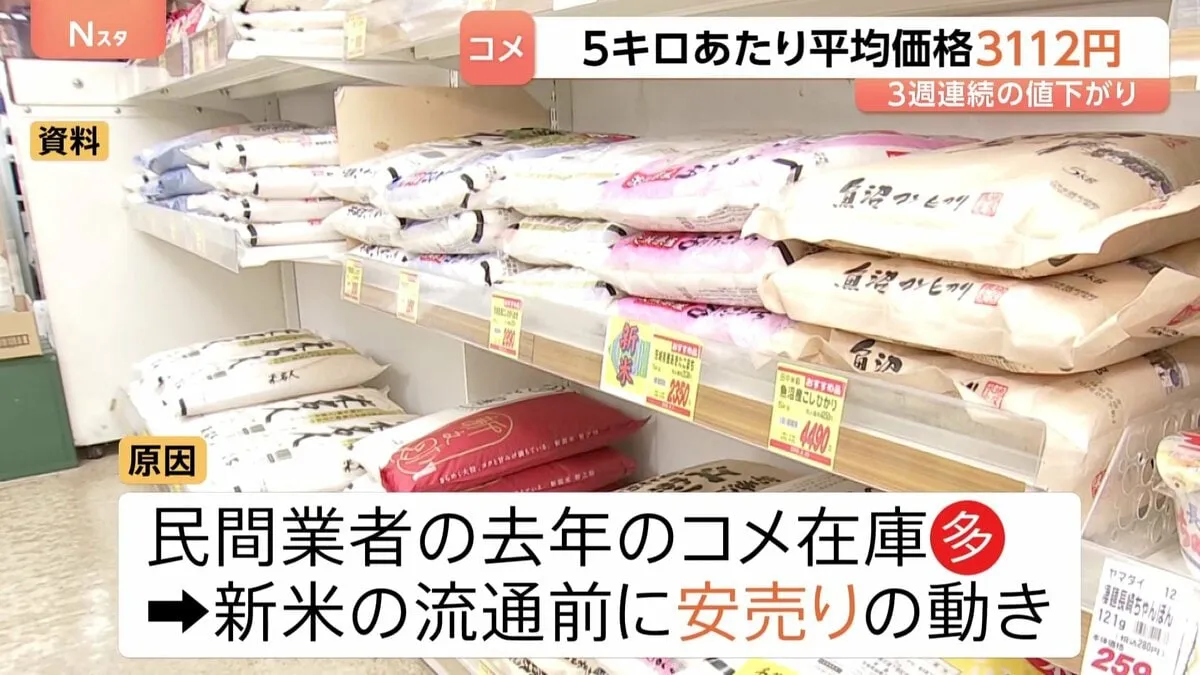
Rice, Japan’s everyday staple and culinary pride, may soon become more affordable at supermarket checkout lanes. Nobuo Takeuchi, chairman of leading rice wholesaler Kitoku Shinryo, said on the 19th that once this year’s new crop (“shinmai”) reaches retailers, a wave of “clearance sales” on remaining higher-priced stock is likely. “If retail prices settle around ¥3,500 for a 5kg bag, consumers will accept it and farmers can keep producing,” he said, framing that level as a sustainable balance between shopper satisfaction and farm viability. That target—roughly US$23 at current exchange rates—would mark a meaningful easing from the peak prices many households have faced.
From tightness to plenty: how Japan rebuilt supply
Japan’s rice market tightened in 2024, following weather-related supply strains and strong demand. The response has been characteristically decisive: farmers expanded 2025 output across multiple regions, authorities released reserve rice, and commercial importers supplemented supplies with foreign grain. As a result, private inventories swelled to an estimated 3.38 million tons at end-December 2025, up about 850,000 tons year on year—evidence of a system working to stabilize a national staple while preserving quality standards cherished by consumers.
Why prices haven’t dropped yet
Despite abundant supply, shelf prices have not fallen sharply—yet. Wholesalers and retailers are still working through inventory purchased at elevated costs in 2024, then milled, packaged, and shipped. “It’s not feasible to sell at a loss,” Takeuchi noted, pointing to the costs embedded in every bag. But with shoppers balking at higher prices and volumes slipping, sellers are being nudged toward gradual markdowns. As new-crop rice arrives—shipments can begin as early as summer in some regions—the previous year’s rice becomes “old crop” and is typically discounted to clear space. That dynamic, paired with healthier nationwide stocks, sets the stage for gentler prices through the latter half of the year.
What this means for households, restaurants, and expats
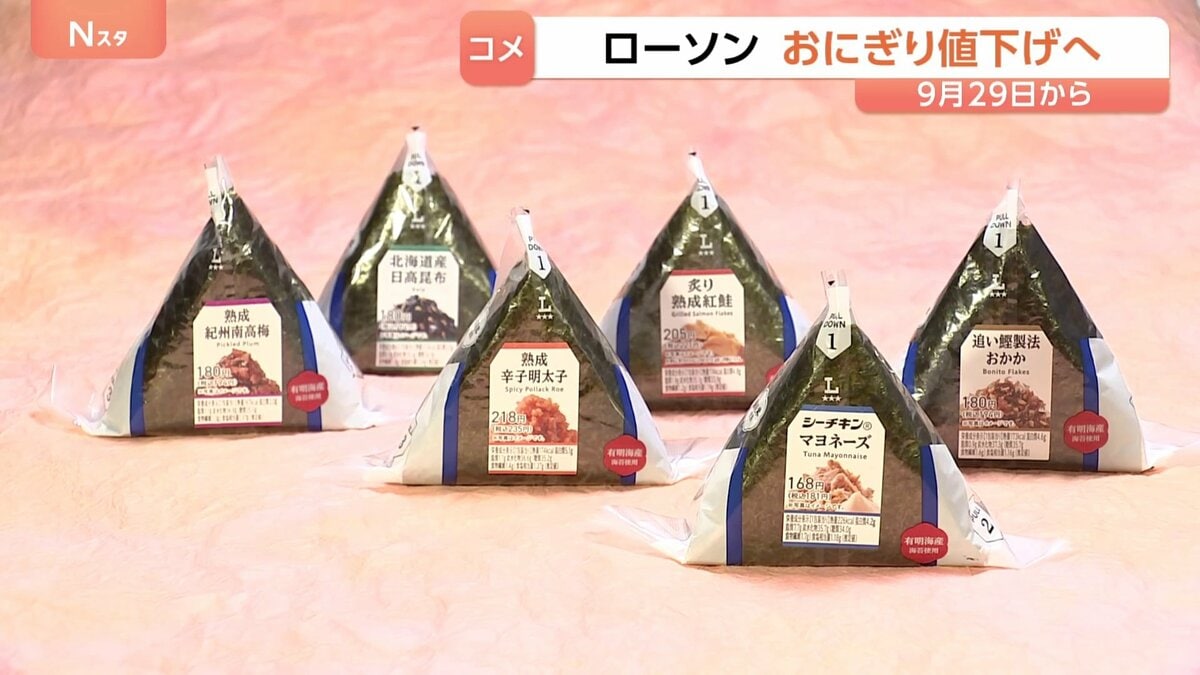
For families and budget-conscious shoppers, a slide toward ¥3,500 per 5kg would offer welcome relief on a kitchen staple that anchors everything from onigiri to weeknight curries. Restaurants and bento makers could also benefit from lower input costs and more predictable procurement. Newcomers to Japan—and long-time residents alike—should watch for “shinmai” labels and seasonal promotions; domestic varieties such as Koshihikari, Hitomebore, and Nanatsuboshi may see sharper discounts on prior-year lots as premium new-crop bags take center stage. It’s a very Japanese balance: reward freshness while ensuring older inventory is priced fairly and transparently.
Balance first: supporting farmers while serving consumers
Takeuchi’s benchmark underscores a broader priority—keeping Japan’s rice sector resilient. Sustainable pricing helps farmers invest in next season’s planting, quality control, and climate adaptation, safeguarding the craftsmanship that makes Japanese rice globally admired. The market’s careful choreography—coordinating reserves, imports, production, and gradual markdowns—highlights Japan’s capacity to protect both household budgets and agricultural livelihoods. If the anticipated “clearance sales” materialize as the new harvest rolls out, consumers could see more competitive tags without compromising the excellence that defines rice on Japanese tables.
Seasonal timing and what to watch next
New-crop rice typically appears from summer onward, starting in earlier-harvest regions and expanding nationwide into autumn. Watch for retailers to promote fresh arrivals while discounting 2024 stock. If inventories remain ample and shopper demand continues to favor value, the market is well-positioned for a soft landing in prices—one that keeps Japan’s iconic staple both accessible and exceptional.