Osaka hits pause to listen — and refine
Osaka Prefecture has temporarily halted the release of a youth-focused public awareness video on illegal online gambling after the clip drew a flurry of reactions on social media. The prefectural government announced on the 28th that it would suspend the video and seek input from medical professionals and other experts before deciding on next steps. The move underscores Osaka’s willingness to adapt its messaging and keep public health outreach aligned with evidence and real-world experience.
What the video showed — and why it stirred debate
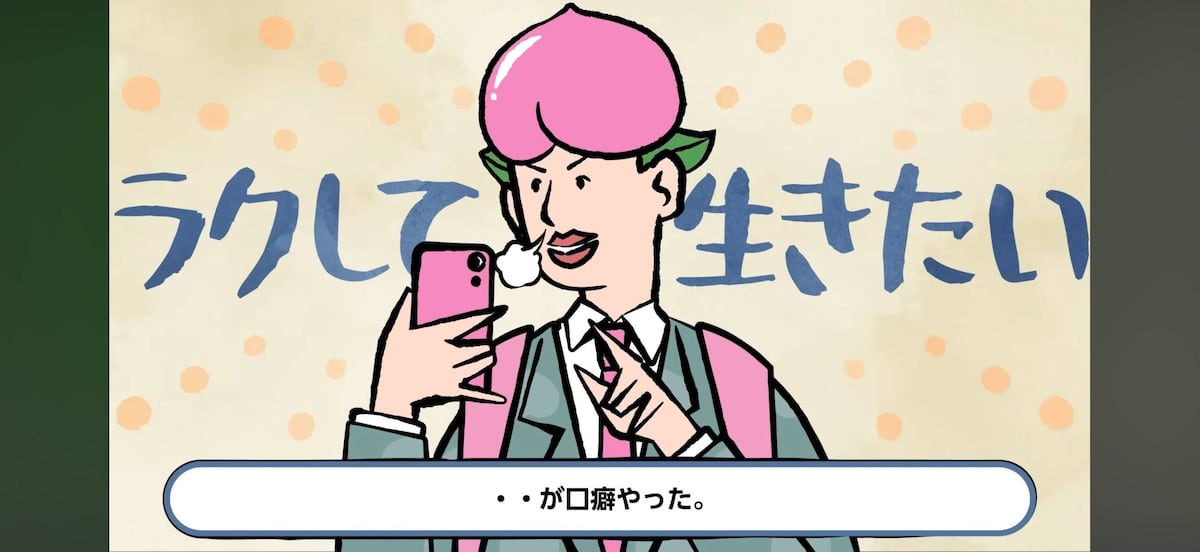
Published on the 21st by the prefecture’s division responsible for addiction countermeasures, the animated video reimagined the classic folktale of Momotaro, framing the struggle against gambling addiction as a fight to “defeat the ogre” within. Its storyline follows a high school student who slips into online gambling, struggles to stop, and ultimately finds a path forward through counseling. The protagonist is portrayed as someone who cherishes video games and a smartphone, and often says, “I want to live the easy way.” The intention, according to officials, was to reach teenagers with a familiar cultural reference, address the illegality and risks of online gambling, and encourage early help-seeking.
Criticism from advocacy groups
The framing quickly drew pushback from advocacy organizations focused on addiction. Noriko Tanaka, representative director of the Tokyo-based Society to Consider the Problem of Gambling Addiction, told the Sankei Shimbun that the portrayal risked reinforcing misconceptions — namely, that gambling disorder stems from a personality trait like “wanting to live easily,” and that recovery is chiefly a matter of willpower. She argued that addiction is a medical condition requiring appropriate, evidence-based treatment, cautioning that the “defeat the ogre within” metaphor could suggest a purely psychological or moral struggle rather than a health issue. Her group said it intended to ask Osaka Prefecture to remove the video.
Osaka’s response: pause, consult, recalibrate
In announcing the temporary suspension, Osaka Prefecture acknowledged it had received a large volume of comments on social platforms and other channels about the video. Officials said they will solicit views from clinicians, addiction specialists, educators, and stakeholders with lived experience before determining revisions or follow-up measures. The prefecture emphasized that the video’s aim was prevention — specifically targeting illegal online gambling and promoting counseling — and signaled that any updated materials will be guided by expert advice and sensitivity to stigma.
Cultural storytelling meets public health
Japan has a rich tradition of using folklore in public communications, and Momotaro — the peach-born hero who defeats ogres with the help of friends — is among the most recognizable tales. For youth outreach, such cultural touchstones can make messages more relatable and memorable. At the same time, public health practitioners increasingly stress person-first language and clinically grounded framing to avoid inadvertently blaming or shaming individuals who are struggling. The Osaka case illustrates the challenge: reach young people where they are, in their language and media, while ensuring the narrative accurately reflects the nature of addiction and the pathways to treatment.
Illegal online gambling and Japan’s policy landscape
Online casinos and most forms of internet-based gambling remain illegal in Japan, even as overseas platforms continue to target Japanese consumers. Law enforcement has carried out periodic crackdowns on offshore operators and payment intermediaries, and regulators have stepped up coordination with financial institutions and tech platforms. Within Japan’s complex gambling environment — which includes strictly regulated betting on select public sports and the ubiquitous, quasi-regulated pachinko sector — policymakers have spent recent years tightening safeguards and funding prevention and treatment. A national framework to address gambling-related harm has supported education, helplines, self-exclusion systems, and clinical services, and prefectures like Osaka are seeking to translate that guidance into practical campaigns tailored to local needs.
Why Osaka’s approach matters now
As Osaka advances high-profile economic initiatives — including a planned integrated resort with a casino slated for later in the decade — the prefecture is under heightened scrutiny to demonstrate robust harm-minimization policies. Officials have repeatedly stressed that any development will proceed alongside responsible gambling measures, access limits, and public awareness work, and that illegal online gambling remains a distinct and ongoing concern requiring its own targeted messaging. By pausing the video and convening medical and community perspectives, Osaka signals that dialogue and course-correction are built into its approach.
What experts say effective prevention looks like
Clinicians and addiction researchers generally recommend a mix of evidence-based tools: early screening, clear information about legal risks and financial harm, rapid referral to counseling and medical care, family and peer support, and practical tools such as self-exclusion and spending limits. Messaging that emphasizes recovery as achievable — without implying it is simply a test of will — tends to reduce stigma and encourage help-seeking. For youth, developmentally appropriate content, peer-informed narratives, and direct links to confidential support can be especially impactful.
Balancing creativity with clinical accuracy
Public agencies around the world are experimenting with short-form videos, animation, and culturally resonant stories to reach smartphone-native audiences. Osaka’s campaign shows the promise and the pitfalls: creative allegory can capture attention, but public health messaging also carries the responsibility to be precise about what addiction is and how it is treated. The prefecture’s readiness to adjust the narrative, consult clinicians, and refine language demonstrates pragmatic governance — a strength in a fast-moving media environment where feedback is immediate and widespread.
What happens next
Osaka officials did not set a timeline for re-releasing the video or publishing revisions, but indicated they will weigh expert recommendations and public input. Potential outcomes include script changes to remove language linking addiction to character traits, clearer references to counseling and medical care, and more explicit signposting to helplines and support services. The prefecture may also publish guidance explaining the creative choices and the evidence base behind them, an approach that can strengthen trust and understanding. For now, the suspension highlights a broader reality: in an era of social media scrutiny, effective public health communication is iterative. Osaka’s willingness to listen and adapt — while keeping the focus on preventing harm from illegal online gambling — is both prudent and emblematic of Japan’s careful, consensus-oriented approach to complex social issues.