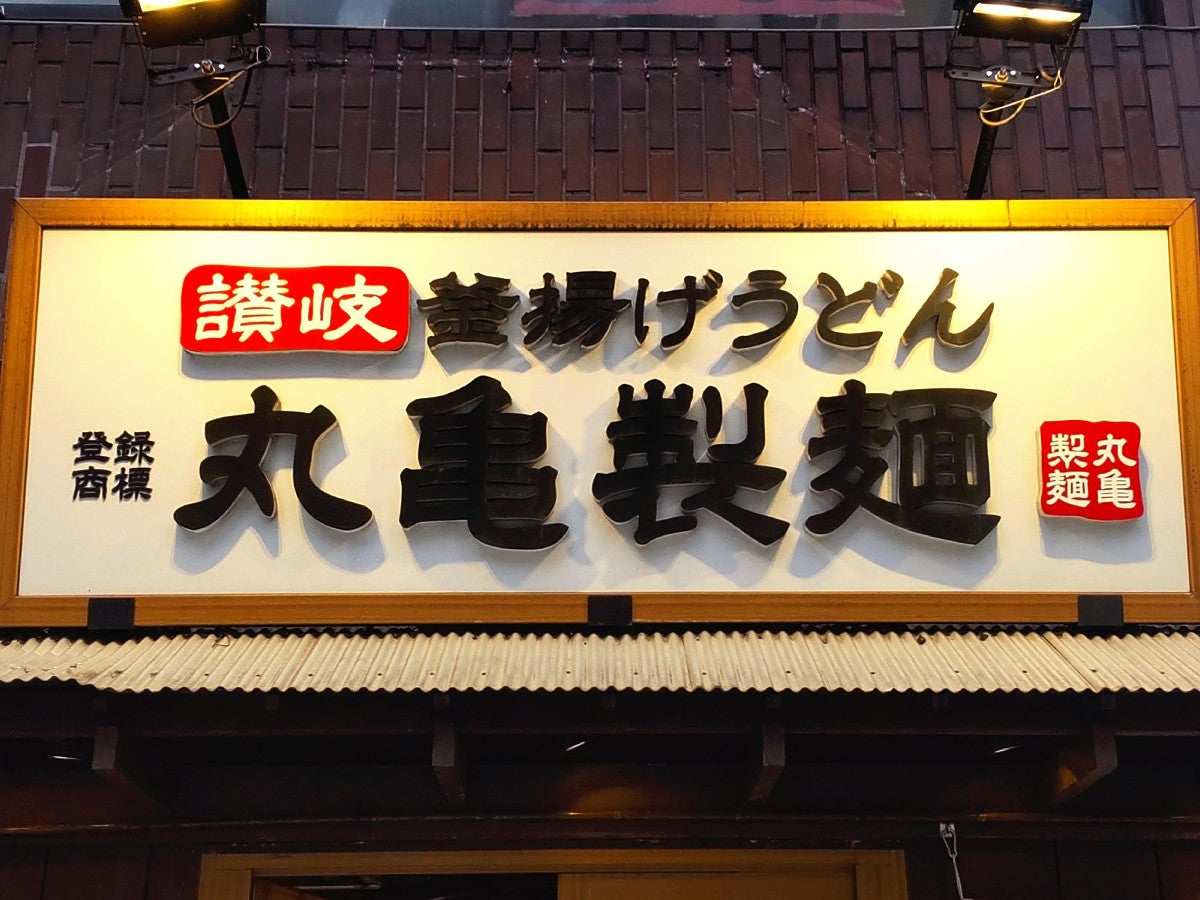
The food service industry, often associated with long hours and modest pay, has been shocked by recent reports that managers at popular udon chain Marugame Seimen can potentially earn up to 20 million yen annually - a figure that dwarfs industry standards and challenges conventional wisdom about restaurant careers.
Rethinking Restaurant Management Compensation
While the typical restaurant manager in Japan earns between 4-5 million yen yearly, Marugame Seimen's top-performing managers can quadruple that amount through an innovative compensation system that treats location managers as true entrepreneurs rather than simply supervisory staff.
The chain, operated by Toridoll Holdings, has implemented a performance-based system that rewards managers for their shop's profitability, creating what industry analysts describe as a "game-changing approach" to restaurant compensation.
The Standard Industry Reality
Understanding the significance of Marugame Seimen's compensation structure requires examining the broader food service landscape. The industry average ranges from 3-4 million yen annually, with even manager positions in many fast-food chains and izakaya (Japanese pubs) struggling to reach 5 million yen despite significant responsibilities.
This compensation challenge has contributed substantially to the industry's persistent staffing shortages, as many workers feel the financial rewards don't match the demands of the job. The situation is particularly acute in chains where corporate models prioritize keeping labor costs low.
The Marugame Seimen Difference
What sets Marugame Seimen apart is its fundamental philosophy: "managers as entrepreneurs." Each location manager enjoys considerable autonomy over their operations, with compensation directly tied to sales performance and profitability. This system transforms the manager role from mere supervisor to business operator.
While not every manager reaches the celebrated 20 million yen mark, the potential exists for top performers, and even average managers at the chain reportedly earn between 6-8 million yen - still significantly above industry standards.
Skills Required for High Earnings
Achieving these exceptional earnings requires a different skill set than traditional restaurant management. Successful Marugame Seimen managers typically demonstrate strong business acumen, including the ability to control food costs and labor expenses while maximizing profitability.
Additionally, they need marketing skills to develop promotions and menu suggestions tailored to their specific location's demographics, plus leadership capabilities to train staff and build effective teams. The role demands what amounts to running a small business rather than simply overseeing daily operations.
Industry Impact and Future Trends
Marugame Seimen's approach has sparked discussion throughout the food service industry about whether this model could represent a solution to chronic staffing challenges. Other chains are watching closely to see if treating managers as entrepreneurs might help attract and retain talented individuals who might otherwise pursue careers in different sectors.
Industry analysts note that as labor shortages intensify and competition for qualified managers increases, more restaurants may need to reconsider their compensation structures to remain competitive.
Broader Economic Implications
The success of performance-based compensation in the restaurant industry reflects larger economic shifts toward merit-based pay systems across multiple sectors. This approach aligns employee success with company performance, potentially creating more sustainable business models.
Economists point out that such systems can drive innovation and efficiency while providing clearer pathways for ambitious employees to advance financially without necessarily moving into corporate roles.
Practical Considerations for Aspiring Managers
For those considering pursuing high-earning management positions, industry veterans recommend developing business management skills alongside traditional hospitality expertise. Understanding financial statements, inventory management, and local market analysis becomes crucial in performance-based roles.
Many successful managers also emphasize the importance of mentorship and continuous learning, seeking out opportunities to understand different aspects of the business beyond daily operations.
The Future of Restaurant Careers
As the industry evolves, the Marugame Seimen model suggests that restaurant management could transform from a job with limited earning potential to a genuine career path offering financial rewards comparable to many professional positions.
This shift could help rebrand the food service industry as a whole, attracting more diverse talent and potentially raising standards across the sector. However, experts caution that such systems work best in established chains with strong brand recognition and operational support.
The conversation around restaurant compensation continues to evolve, but Marugame Seimen's approach has undoubtedly opened new possibilities for what food service careers can offer.