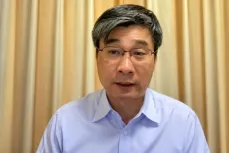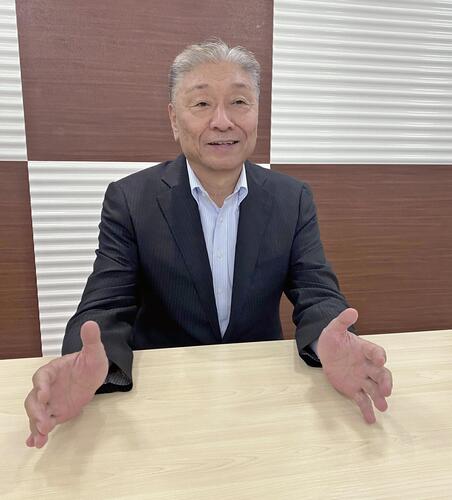
Kitakyushu, Japan — EV Motors Japan (EVMJ) announced on the 20th that founder and President Hiroyuki Sato, 69, will step down on February 28, taking responsibility after defects were found in its electric buses across multiple locations, including vehicles used for the Osaka–Kansai Expo. Executive Vice President Eishin Kado, 53, will be promoted to president on March 1 as the company moves to reinforce quality management and regain public trust.
What triggered the leadership change
Japan’s Ministry of Land, Infrastructure, Transport and Tourism (MLIT) ordered inspections in September of all 317 EVMJ-supplied buses sold nationwide after reports of operational troubles, including vehicles unexpectedly stopping while in service. The inspections uncovered defects in 113 units. Authorities instructed operators to suspend affected buses and proceed with repairs. The units in question were imported from a Chinese manufacturer and sold in Japan by EVMJ. In November last year, the company filed a formal recall with MLIT, citing a design issue that could reduce braking effectiveness under specific conditions.
Safety-first culture and decisive oversight
Japan’s regulatory response underscores a safety-first culture that is central to the country’s transport ecosystem. MLIT moved quickly to mandate checks, operators complied with grounding orders, and the company itself escalated to a recall once the design risk was confirmed. That chain of actions—swift inspection, transparent findings, and corrective steps—is a hallmark of how Japan manages public safety in complex, technology-driven sectors. While short-term disruption is inevitable when fleets are pulled from service, the broader effect is enhanced confidence that the transition to zero-emission mobility will not compromise reliability or passenger safety.
From ambitious startup to domestic manufacturing pivot
Founded in 2019 by Sato, EVMJ drew early support as a promising catalyst for the domestic commercialization of electric buses and trucks. Backers included Kyushu-based companies such as Nishi-Nippon Railroad (Nishitetsu) and major Japanese trading houses. The government also offered visible encouragement: then–Economy Minister Yasutoshi Nishimura visited EVMJ in February 2023, highlighting the strategic importance of electrifying commercial fleets. By late 2023, EVMJ had partially completed what it called Japan’s first mass-production plant dedicated to commercial EVs, with an annual capacity target of 1,500 units. The current setback, centered on imported models, is likely to accelerate a pivot toward deeper domestic engineering, tighter supplier qualification, and end-to-end quality assurance within Japan’s renowned manufacturing frameworks.
Impact on operators, commuters, and international observers
For municipal operators and riders, the immediate impact is service adjustments while affected buses are repaired. However, Japan’s rigorous approach reduces systemic risk and prioritizes the integrity of public transport—an asset for cities that depend on punctuality and safety. For international readers—expats, investors, and policy watchers—the episode is a reminder that Japan’s green transition is guided by world-class oversight and a culture of accountability. It also illustrates the country’s readiness to correct course quickly, strengthen local supply chains, and channel public-private support into robust domestic production rather than reliance on imported platforms that may not meet Japan’s exacting standards.
What to watch next
Key milestones include the pace of repairs and reinstatement of grounded units; MLIT updates on compliance; and EVMJ’s roadmap under new leadership, especially how the company operationalizes quality controls at its new factory. The Osaka–Kansai Expo’s transport experience has become a real-world stress test for electric fleets—lessons that can inform national rollouts ahead. If EVMJ executes a disciplined quality reset and leans into Japan’s strengths in engineering and supplier management, the result could be a stronger, more reliable domestic EV bus platform that supports cities across the country while showcasing Japan’s ability to turn short-term challenges into long-term advantages for sustainable mobility.