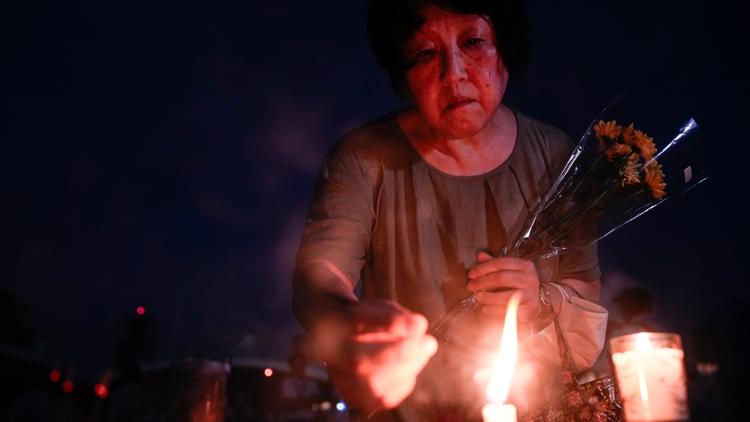
Hiroshima atomic bomb survivors have voiced their disappointment after Prime Minister Shigeru Ishiba's statement marking the 80th anniversary of the end of World War II made no mention of the atomic bombings that devastated their city and Nagasaki.
The Silence That Speaks Volumes
For the aging community of hibakusha - atomic bomb survivors - the omission felt particularly painful. These individuals, who have dedicated their lives to nuclear abolition and peace education, saw the statement as a missed opportunity to acknowledge one of the most devastating chapters of the war.
Tomo Yukimura, an 83-year-old survivor who leads the Japan Confederation of A- and H-Bomb Sufferers Organizations, expressed the collective sentiment: "We hibakusha have been consistently advocating for nuclear abolition and state compensation, but none of these crucial elements were included in the statement."
Historical Responsibility in Modern Times
The survivors emphasized that contemporary politicians bear responsibility for confronting the full legacy of the war, including the atomic bombings that killed approximately 210,000 people by the end of 1945 and left countless others with lifelong health complications and psychological trauma.
"The responsibility for war should be carried by the politicians who lead our nation today," Yukimura stressed, highlighting how the current generation of leaders must acknowledge and learn from historical tragedies rather than sidestepping difficult aspects of Japan's wartime experience.
Fundamental Human Rights Oversight
Kunihiko Sakuma, the 80-year-old chairman of the Hiroshima Prefectural Confederation of A-Bomb Sufferers Organizations, noted another significant omission: "I feel there was no mention of what the war truly meant in terms of the disregard for fundamental human rights."
This perspective underscores how the atomic bombings represented an extreme violation of human dignity that many believe should be central to any reflection on the war's legacy. The survivors argue that understanding this aspect is crucial for preventing similar tragedies in the future.
The Global Nuclear Context
The disappointment comes at a time of heightened global nuclear tensions, with several nations modernizing their arsenals and diplomatic efforts toward disarmament facing significant challenges. Many peace organizations had hoped the anniversary statement would reinforce Japan's commitment to nuclear non-proliferation given its unique position as the only country to experience atomic warfare.
Hiroshima and Nagasaki have become symbolic centers for the global anti-nuclear movement, hosting international peace conferences and welcoming thousands of visitors annually to their peace memorial parks and museums.
Educational Imperatives
Survivors have expressed concern that as their generation ages - with the average hibakusha now in their mid-80s - the direct transmission of wartime experiences to younger generations becomes increasingly urgent. Many feel that official statements from government leaders play a crucial role in either supporting or undermining these educational efforts.
The lack of specific reference to the atomic bombings in such a significant anniversary statement, they worry, might contribute to historical amnesia about the unique devastation nuclear weapons can cause.
Moving Forward with Acknowledgement
While recognizing that war anniversaries involve complex historical narratives, survivors emphasize that a complete picture must include all aspects of the conflict, especially those that continue to affect people's lives eight decades later. Many hope future official statements will incorporate their perspectives more fully.
As one second-generation survivor noted, "Understanding the full scope of the war's impact, including the atomic bombings, isn't about assigning blame but about ensuring we truly comprehend the human cost of conflict and work toward preventing any repetition."
The sentiment among Hiroshima's peace community is that acknowledging difficult history represents strength rather than weakness, and that Japan's unique experience with nuclear weapons gives it both a moral responsibility and practical wisdom to contribute to global peace efforts.