Japan sets the pace in Milan-Cortina: Nakai first, Sakamoto second, Chiba fourth
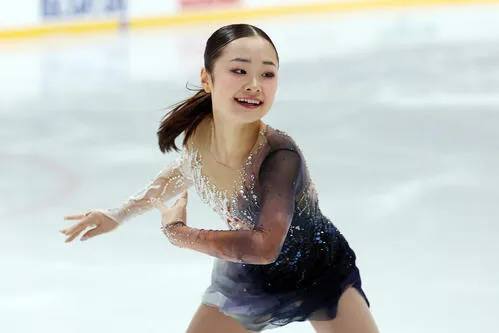
On Day 12 of the Milano-Cortina 2026 Winter Olympics (local time Feb. 17), Japan’s women delivered a commanding statement in the figure skating short program. Rising star Ami Nakai seized the lead with 78.71 points, three-time world champion Kaori Sakamoto opened her third straight Olympics in stellar form for 77.23 points in second, and Mone Chiba placed fourth with 74.00. American Alysa Liu sits third on 76.59, setting up a compelling free skate on Feb. 19.
Sakamoto’s precision—and perspective
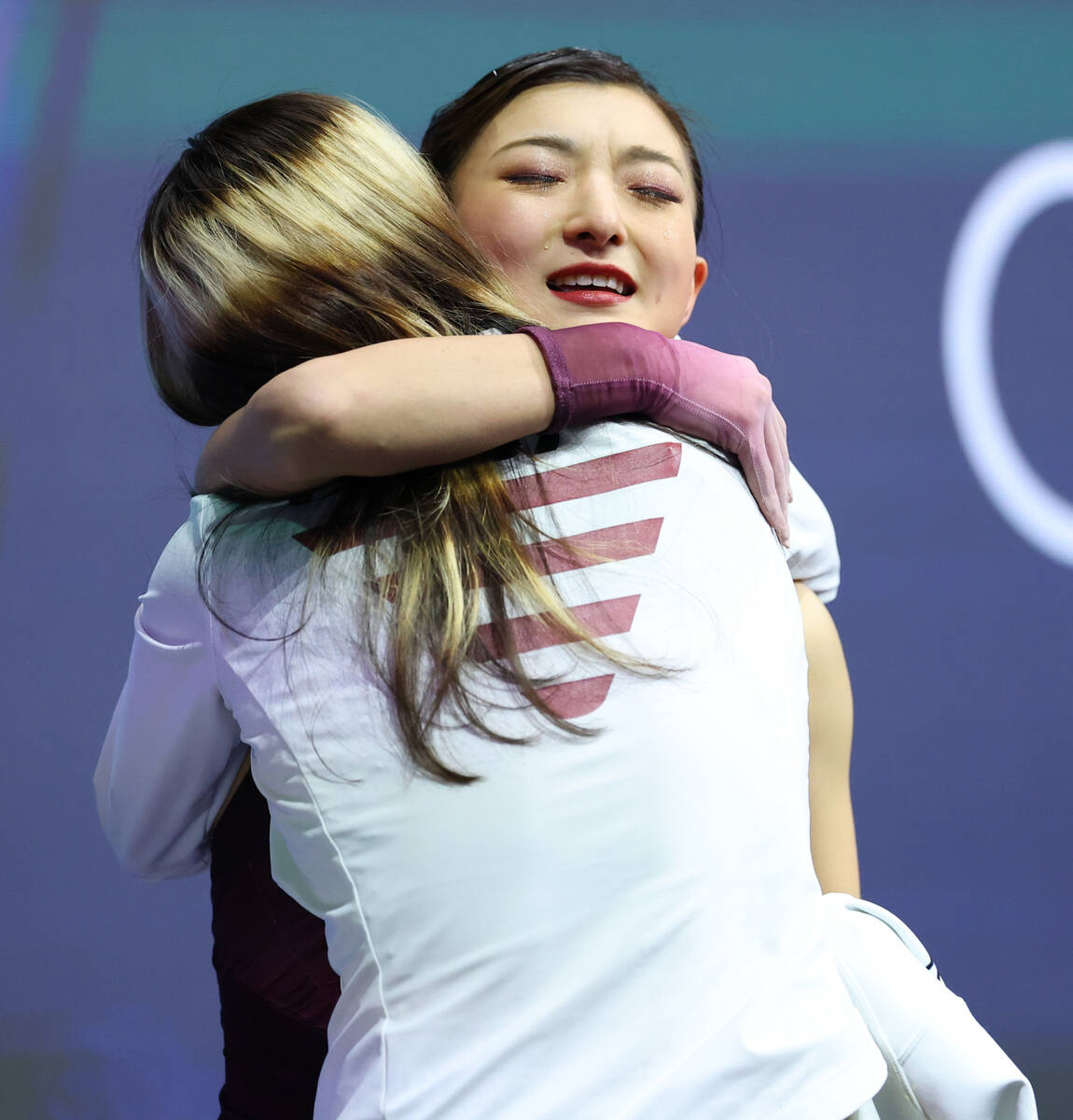
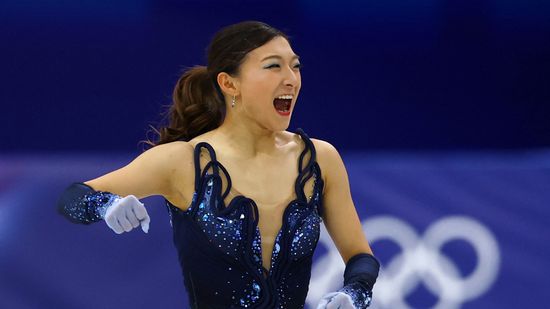
Skating 27th in the final group, Sakamoto nailed the technical core of her program: a clean triple Lutz, a flowing double Axel, and a crisp triple flip–triple toe loop combination. She sustained high quality in spins and step sequences, energizing the arena before finishing with a confident smile. Moments later, the scoreboard flashed 77.23—excellent, yet just shy of her hope. “I felt a bit anxious and even scared until yesterday, but thanks to ‘RikuRyu’ (Riku Miura and Ryuichi Kihara) I could reset,” Sakamoto said, crediting Japan’s pairs icons for helping her regain her competitive rhythm. “Today I truly enjoyed skating. I felt back to my usual competition mode—the power of those two is amazing.” When the marks arrived, she admitted to a hint of disappointment: “I thought it was a bit lower than in the team event. I hung on to the Lutz in both team and individual, so when I thought about everything I was like, hmm, how will it be?” Looking ahead, she was unequivocal: “I want to show that this is my skating—and I hope I can skate with genuine joy in the free.”
Results at a glance
1) Ami Nakai (JPN) — 78.71; 2) Kaori Sakamoto (JPN) — 77.23; 3) Alysa Liu (USA) — 76.59; 4) Mone Chiba (JPN) — 74.00.
Why it matters for Japan
With three skaters in the top four after the short program, Japan underlined its exceptional depth in women’s figure skating—a discipline where the nation blends precision, musicality, and competitive resilience. Sakamoto’s presence is emblematic: a three-time world champion (2022–2024) and Olympic medalist who pairs technical reliability with mature artistry. Nakai, the teenage front-runner, embodies Japan’s next wave, while Chiba, a major international medalist, broadens the team’s podium potential. Their combined form amplifies Japan’s chances not just for individual medals but for a broader narrative of national excellence across the Games.
Context for international readers
The short program (SP) sets the stage: it’s a tightly structured skate with required elements—jumps, spins, and steps—judged on base value and grade of execution, plus components like skating skills, transitions, and performance. Margins are small; a point or two can swing medals in the free skate (FS), where higher base values and intricate layouts can reshape the standings. Sakamoto’s comment about being “lower than the team event” reflects how even a near-identical element—like a triple Lutz saved with strength—can be scored differently based on micro-details, from takeoff edge clarity to landing quality and program flow. That scrutiny is the essence of elite figure skating and why consistency, calm, and joy—qualities Sakamoto emphasized—often decide Olympic champions.
Team spirit: the ‘RikuRyu’ effect
Japan’s figure skating culture thrives on peer support. Sakamoto name-checked pairs duo Riku Miura and Ryuichi Kihara—affectionately known as “RikuRyu”—whose world-class achievements and infectious positivity have inspired teammates across disciplines. That camaraderie matters in the Olympic crucible, where mental reset, shared confidence, and a sense of national purpose can turn a great skate into a medal-winning one.
The road to the free skate
All three Japanese women are poised for a medal challenge on Feb. 19. Nakai’s lead is narrow, Sakamoto’s quality is undeniable, and Chiba’s placement keeps her within striking distance. Expect strategic jump layouts, elevated component scores, and program choices that spotlight Japan’s hallmark blend of athleticism and artistry. For fans and expats following Japan from afar, this is a showcase of the nation’s sporting identity: disciplined preparation, team-first mindset, and performances designed to move audiences as much as judges. Milan-Cortina has its storylines—but right now, Japan is writing the headline.