A Tense First Meeting Amid Shifting U.S.–Japan Dynamics
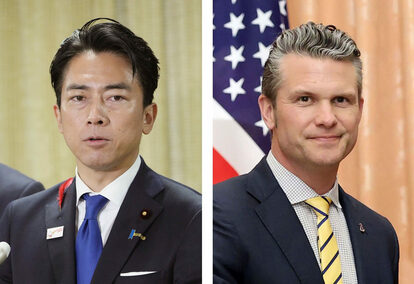
Just one day after the highly anticipated summit between Prime Minister Sanae Takaichi and U.S. President Donald Trump, Japan’s newly appointed Defense Minister, Shinji Koizumi, held his first official talks with U.S. Defense Secretary Pete Hegseth on October 29. The meeting, held in Tokyo, was marked by both cautious optimism and underlying tension as discussions centered on Japan’s defense budget—an issue that has become a growing point of contention between the allies.
Koizumi, maintaining a composed yet visibly tense demeanor, greeted Hegseth with a firm handshake before the two leaders began their talks. The biggest question hanging over the meeting was whether the United States would formally demand that Japan further increase its defense spending, a topic that has loomed large since Trump’s return to the White House.
Accelerating Japan’s Defense Commitments
According to sources familiar with the talks, Koizumi outlined Japan’s plan to accelerate its defense investment timeline—moving up the goal of achieving defense expenditures equivalent to 2% of its GDP by two years. This adjustment represents a significant shift, reflecting Japan’s intention to both appease Washington and reinforce its own national security posture amid growing regional threats from China and North Korea.
In addition, Koizumi is believed to have briefed Hegseth on Japan’s decision to expedite the revision of its “three key security documents”—the National Security Strategy, the National Defense Program Guidelines, and the Medium-Term Defense Program. These foundational policies form the backbone of Japan’s evolving defense strategy, and advancing their review signals a commitment to closer military coordination with the United States.
The two also reportedly reaffirmed plans to move forward with the realignment of U.S. military command structures in Japan, a long-standing yet sensitive issue that has faced domestic opposition due to concerns about local burdens and sovereignty.
The Takaichi–Trump Understanding: No “Numbers Talk,” but Pressure Remains
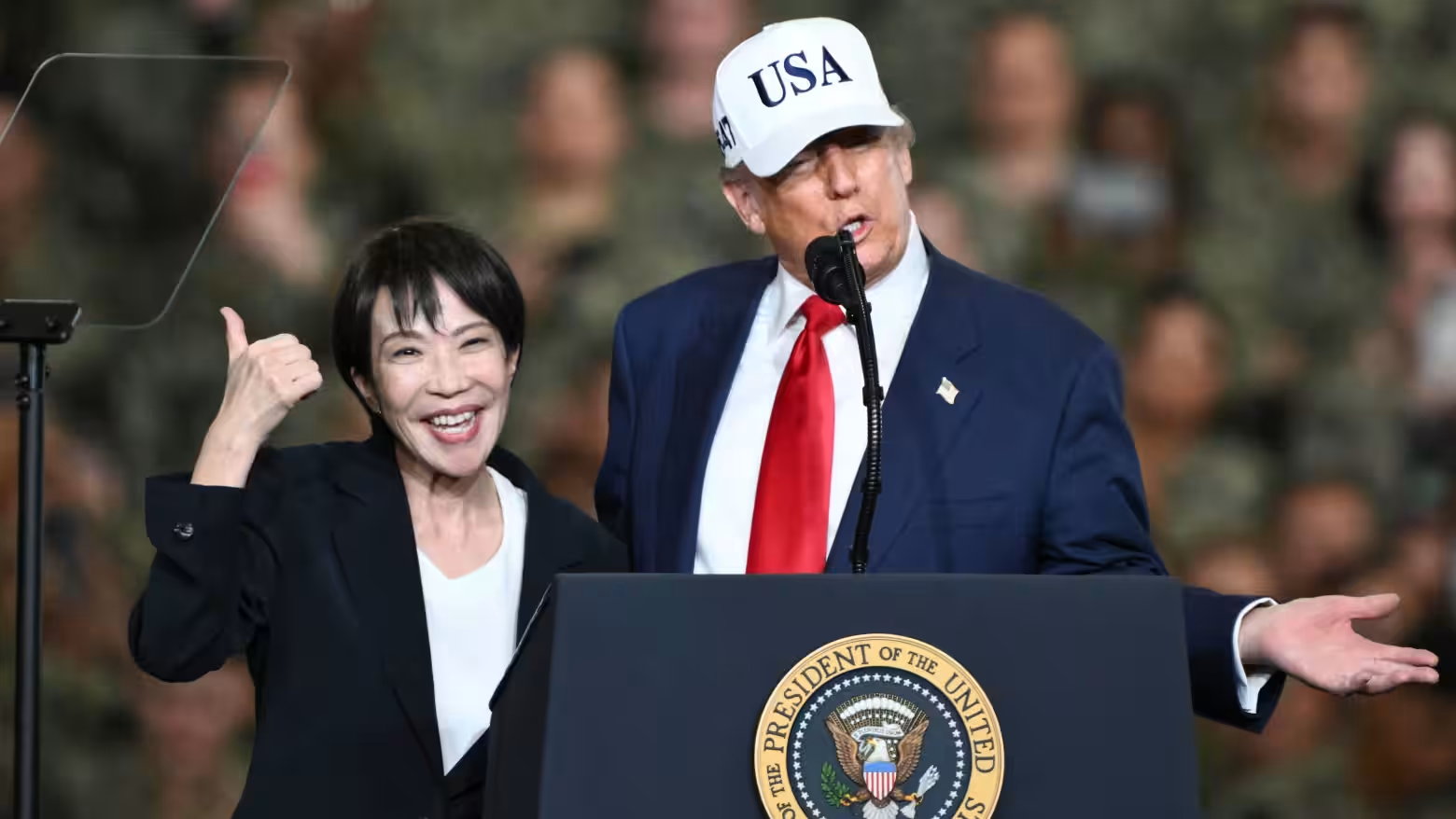
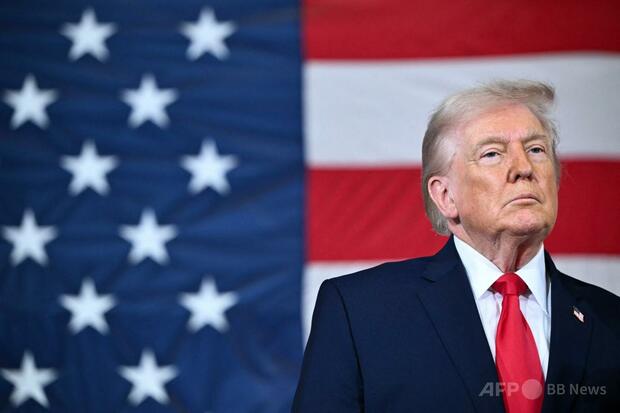
Prime Minister Takaichi’s meeting with President Trump on October 28 set the tone for Koizumi’s subsequent discussions. During their talks, Takaichi expressed Japan’s firm intention to continue strengthening its defense capabilities, but stressed that there was no direct negotiation over specific figures related to defense spending.
According to government insiders, Takaichi later confided that “the fact President Trump made no explicit demand regarding the 2% defense spending target was the biggest achievement” of the summit. For Tokyo, this provided temporary relief—but only for the moment.
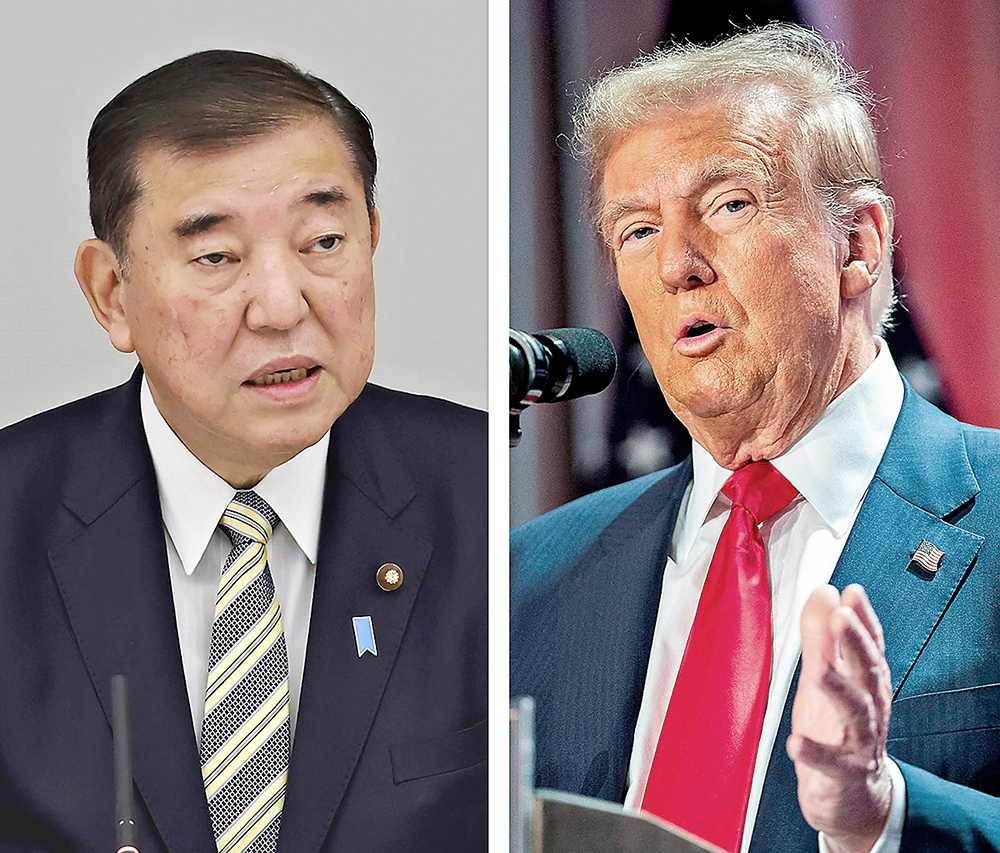
Within Japan’s Foreign Ministry, some veteran officials remain wary. A former foreign minister commented, “While Trump avoided numerical demands at the summit level, new expectations or requests could easily surface in follow-up ministerial talks.” This sentiment reflects the broader anxiety within Japan’s political and bureaucratic circles: that Trump’s transactional approach to alliances could soon translate into tougher, more concrete demands.
Behind Closed Doors: Cautious Optimism, Lingering Uncertainty
Defense Ministry insiders describe the Koizumi–Hegseth meeting as “largely predictable” and “void of major surprises.” However, one senior official admitted that “no one can relax until the talks officially conclude,” emphasizing that “unexpected requests or last-minute conditions are always possible.”
While Washington’s strategic objective remains clear—to ensure its Indo-Pacific partners share more of the defense burden—Tokyo finds itself walking a delicate tightrope. On one hand, Japan must demonstrate loyalty and reliability as a security partner; on the other, it faces increasing domestic pressure to manage ballooning defense costs amid an aging population and economic uncertainty.
A New Chapter in U.S.–Japan Security Relations
Koizumi’s debut on the international stage comes at a pivotal moment for Japan. The defense minister, seen as a rising political star within the ruling party, has inherited one of the most complex portfolios in government: balancing Japan’s pacifist constitution with the urgent need for regional deterrence.
For the U.S., Hegseth’s outreach signals a renewed push to solidify strategic alignment with Tokyo, particularly as tensions rise across the Taiwan Strait and the South China Sea. The focus now shifts to whether Japan can deliver on its accelerated spending goals—and whether Trump’s administration will remain patient as Tokyo navigates its internal debates.
As both nations seek to reaffirm their decades-long alliance, the question remains: will Japan’s increased defense efforts be viewed as sufficient, or will new demands emerge from Washington in the months ahead?
For now, both Koizumi and Hegseth are projecting unity and mutual respect. Yet behind the smiles and handshakes, the reality of alliance management under Trump 2.0 is becoming clear—Japan will need to pay more, act faster, and prepare for a future where “shared defense” increasingly means shared costs.