Unpacked and On the Record: A Personal Update from the Prime Minister
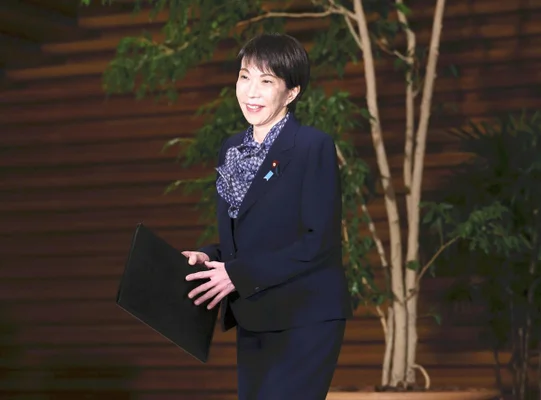
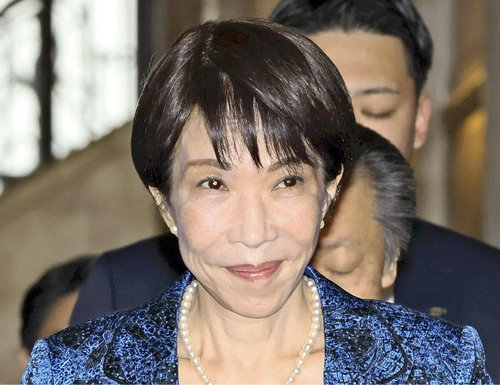
Japan’s Prime Minister Sanae Takaichi said she has completed unpacking after moving into the Prime Minister’s Official Residence, using a candid post on X, the platform formerly known as Twitter, to offer an unusually personal glimpse of her first days in the new home. Writing on the 4th, Takaichi reported that she had finished settling in after relocating from the House of Representatives members’ dormitory. “It was nothing but heavy lifting—hauling and stacking boxes—and my arms and legs are covered in cuts and bruises,” she wrote, adopting a colloquial tone that underscored the down-to-earth message of the update.
From Lawmakers’ Dorm to the Official Residence
Her move marks a practical and symbolic step for a sitting premier. The Prime Minister’s Official Residence—distinct from the adjacent Kantei, which houses the government’s executive offices—serves as the head of government’s living quarters and a key node in Japan’s 24/7 crisis-management architecture. Moving in typically signals a leader’s readiness to be on call at all hours, with the residence connected to secure communications and emergency response facilities. Takaichi’s relocation from the lawmakers’ dormitory, a common base for members of parliament who need temporary accommodation in Tokyo, places her closer to the center of government at a time when security and diplomatic issues continue to demand constant attention.
Holiday Break Marked by High-Stakes Diplomacy and Security Alerts
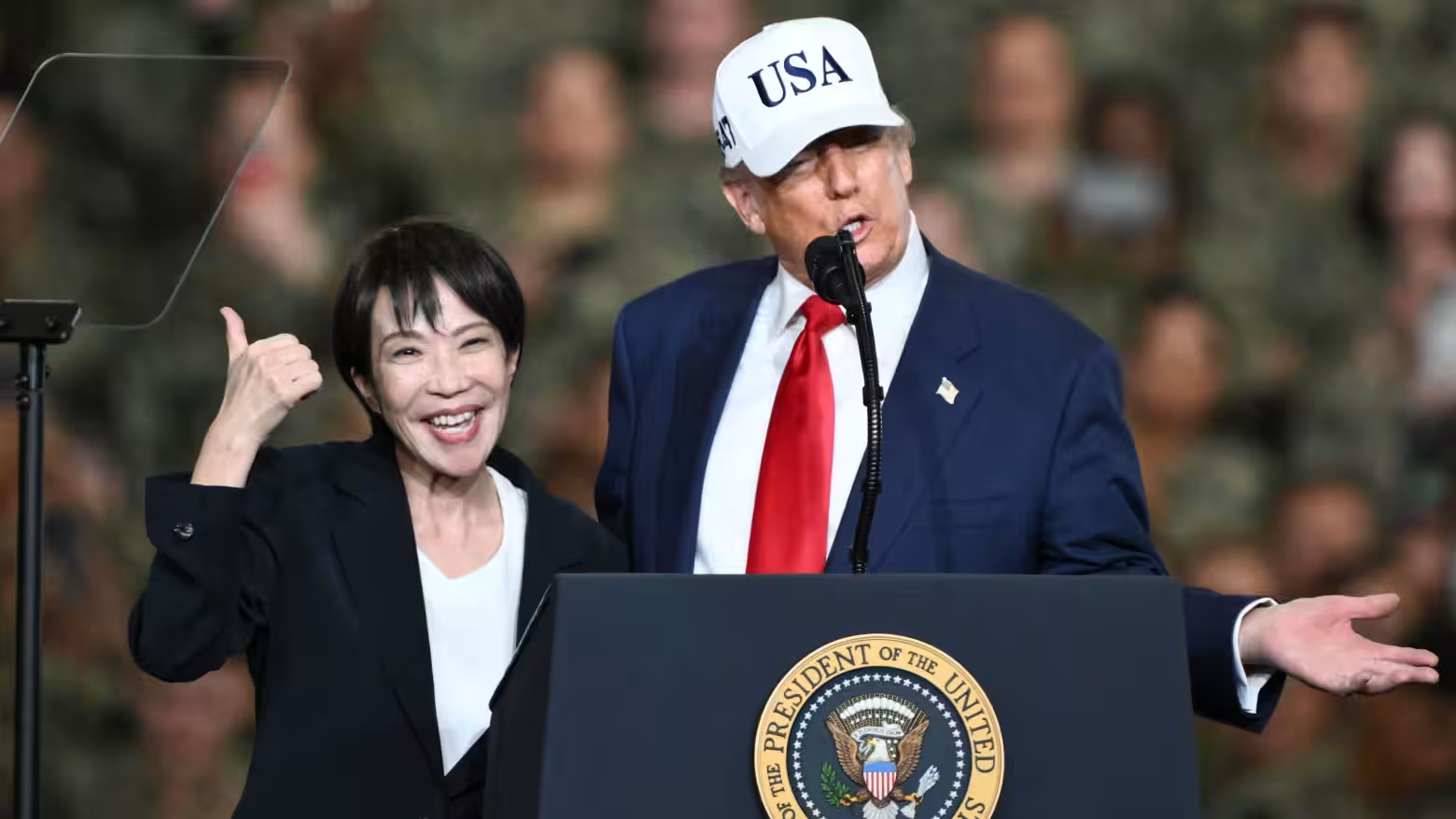
The prime minister’s message also looked back on a year-end and New Year period that was anything but quiet. She noted that a full schedule of national security and diplomatic developments—including a phone call with the U.S. president and North Korean missile launches—kept her team on duty through the holidays. “Things happened one after another,” she wrote, adding that she believed “colleagues at the Ministry of Foreign Affairs, the Ministry of Defense, the Cabinet Secretariat and my private secretaries had no days off.” Her remarks highlight a familiar pattern in recent years: North Korea often tests missiles around the New Year, prompting alerts and rapid coordination among Japan’s defense and diplomatic apparatus.
Public Thanks to Those Working Through the Holidays
Takaichi’s public note of appreciation to civil servants—particularly in foreign and defense policymaking—echoes a broader message about the pressures on Japan’s national security machinery. Officials at the ministries she named routinely coordinate in real time with the Self-Defense Forces, local governments, and international partners when missile launches occur, issuing public warnings if necessary and tracking trajectories. Acknowledging that work, especially during what is traditionally a family-focused holiday in Japan, aligns with a leadership style that seeks to foreground the people behind policy: the rank-and-file bureaucrats and staff who keep the machinery of government running even when the nation is at rest.
Tradition and Agenda-Setting: A Visit to Ise Jingu
Looking ahead, Takaichi said she will visit Ise Jingu, the revered Shinto shrine in Mie Prefecture, on the 5th before delivering a New Year press conference. The annual pilgrimage to Ise—dedicated to Amaterasu, the sun goddess—has become a near-tradition for Japanese leaders, who often use the occasion to invoke continuity, reflection, and a renewed public mandate at the start of the calendar year. While she did not preview specific policy announcements, such New Year addresses typically outline the government’s domestic priorities for the months ahead, from economic measures and cost-of-living relief to social policy, digital transformation, and the steady buildout of defense capabilities under Japan’s evolving security strategy.
“Domestic Policy Starts in Earnest. I Will Do My Best.”
Takaichi closed her post with a straightforward pledge: “Domestic policy gets fully under way now. I will do my best!” The line signals a pivot from holiday-mode logistics to governing. With the legislature set to reconvene and budget processes advancing, the prime minister is likely to face a crowded agenda. In recent years, administrations have focused on inflation countermeasures, wage growth, industrial competitiveness, energy security, demographic headwinds, and defense modernization—all areas where early signals from the prime minister can shape markets, ministries, and political debate.
The Meaning of Moving In
Moving into the official residence also has practical implications for leadership visibility and crisis response. Proximity to the Kantei and the National Security Secretariat can compress response times for urgent meetings, while secure lines at the residence enable round-the-clock communication with allies and domestic agencies. In a region where missile tests, cyber incidents, and natural disasters can force decision-making at unusual hours, the move underscores a message of readiness. It is also a stage-managed moment in the modern political calendar, where the personal and official intersect: a leader’s home life, shared via social media, becomes a proxy for accessibility and focus.
A Social-Media Snapshot, With a Kansai Lilt
Takaichi’s choice to describe her cuts and bruises from repeated heavy lifting lent a human touch—and a hint of Kansai inflection in her phrasing—to a post that otherwise tracked standard political communications. Such informality is increasingly common among world leaders seeking to connect with the public on platforms like X, where authenticity often resonates more than scripted statements. For a new year defined by serious policy challenges at home and overseas, the contrast between moving-day scrapes and geopolitical urgency served as a reminder that the prime minister’s role spans the ordinary and the extraordinary.
What to Watch Next
Attention now turns to Takaichi’s remarks after her visit to Ise Jingu. Observers will watch for signals on the government’s economic playbook, the trajectory of tax and spending decisions in the forthcoming fiscal year, progress on structural reforms, and the calibration of security policy amid continued North Korean provocations and a complex regional environment. The choice and sequence of priorities—how the administration balances household relief with long-term investment, or domestic reform with international commitments—will set the tone for the political season. For now, after a marathon of lifting boxes and a few minor bruises, Japan’s prime minister seems intent on getting back to work.