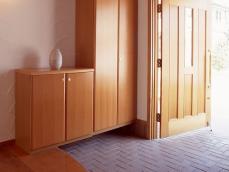
Guests notice first: the entryway
Open the door, and a home’s story begins. In Japan, that first chapter is the genkan—the entryway where shoes come off, hospitality begins, and impressions are made in seconds. While residents often “nose-adapt” to their own home’s scent, visitors pick it up immediately. Housekeeping advisors across Japan have zeroed in on three clear reasons entryways smell—and equally clear ways to reset the air fast, without masking it with heavy perfume.
The genkan: Japan’s first impression
Because Japanese homes follow a shoes-off culture, the genkan concentrates everything from street dust to shoe moisture in one compact zone. Add Japan’s famously humid seasons—especially the tsuyu rainy period—and you get ideal conditions for bacteria and mold. The good news? A few habits, rooted in Japanese home-care wisdom, quickly turn the tide.
The 3 most common causes
1) Trapped moisture and grime in shoes
The biggest culprit is sweat and skin oils absorbed by shoes, plus mud and road dust from outside. It’s often said feet can perspire up to a cup of moisture per day. Freshly removed shoes are warm and humid—perfect for bacteria that produce that sharp, sour odor.
2) Stale air in the shoe cabinet
Shoe cabinets (getabako) are compact and often tightly sealed, so air circulation is poor. Storing damp shoes immediately raises interior humidity and encourages mold. Many smelly entryways have an overstuffed cabinet with old or damp pairs—concentrating a musty odor that seeps out every time the door opens.
3) Grimy grout in floor tiles
Entryway tiles catch mud, fine dust, and rain droplets. These settle into grout lines where bacteria thrive. Homes with smokers or pets can see odors cling to porous grout and nearby walls, intensifying the problem.
Fast fixes you can start tonight
1) The 24-hour shoe rule
Do not stash freshly worn shoes immediately. Leave them to dry for at least 24 hours in the entryway, away from the cabinet. For heavy humidity, tuck loosely crumpled newspaper inside each shoe to absorb moisture and help neutralize odors. Rotate pairs so every shoe gets a full dry-out window.
2) Vent and declutter the shoe cabinet
Once a week, open the cabinet fully and push air through it with a small fan for 15–30 minutes. Remove shoes you no longer wear; freeing shelf space creates airflow channels so humidity can escape. Consider placing a small tray of desiccant or bamboo charcoal on a lower shelf to keep moisture down.
3) Baking-soda tile wipe
For tile floors that tolerate water, dissolve two tablespoons of baking soda in a bucket of warm water and wipe. Baking soda helps neutralize acidic odors (like foot smell) and lightly absorbs moisture. Finish with a dry cloth to remove residual dampness and slow bacterial regrowth. Focus on grout lines, where odor tends to linger.
Deodorize the right way—neutral first, fragrance later
Heavy fragrances can mix with bad smells and make them worse. Start with neutralizers, then add light scent if desired. Two Japan-tested options stand out:
- Bamboo charcoal (takesumi): Highly porous, it absorbs both odor and humidity—and doubles as minimalist decor.
- DIY baking-soda aroma: Fill a small jar with baking soda and add a few drops of essential oil for a gentle, customizable scent after deodorizing.
Don’t overlook umbrellas: A dripping umbrella can spike humidity across the entire genkan. Shake off water outdoors and dry the umbrella outside when possible before bringing it in.
Why this matters in Japan—and how expats can adapt
Japan’s climate swings from humid summers and rainy seasons to tightly sealed winter interiors—conditions that test indoor air quality. Compact apartments mean the genkan is close to living spaces, so any odor spreads quickly. Mastering entryway care isn’t just about comfort; it aligns with omotenashi—thoughtful hospitality that welcomes guests with a fresh, calm first impression. Newcomers to Japan will find everything needed at everyday retailers: baking soda and desiccants at 100-yen stores like Daiso or Seria, bamboo charcoal at home shops and Muji, and compact fans at electronics retailers. These low-cost fixes also help protect shoes from mold, a common issue in rainy months, and can keep rental properties cleaner—good news when it’s time to move and reclaim your deposit.
Quick checklist: keep it dry, keep it fresh
- Dry shoes for 24 hours before storing—use newspaper on humid days.
- Vent the shoe cabinet weekly and declutter to open airflow paths.
- Wipe tiles with a baking-soda solution, then dry thoroughly.
- Use bamboo charcoal or unscented deodorizers before adding light fragrance.
- Drain umbrellas outdoors; avoid adding extra moisture to the entryway.
Follow these three principles—dry shoes, circulate cabinet air, and remove tile moisture—and your genkan will feel astonishingly fresher. Tonight, try the simplest start: leave today’s shoes out to dry. By tomorrow, your entryway can smell like a welcome, not a warning.