A police investigation vehicle driven by an on-duty officer struck a woman who was using a marked pedestrian crossing in Obihiro, Hokkaido, on the evening of the 10th, leaving her with suspected fractures to both wrists and prompting a swift apology and review pledge from the local force. Authorities said the officer was not arrested at the scene because he posed no risk of flight, a decision aligned with standard Japanese legal practice when a suspect’s identity is known and they are cooperating with the investigation.
What Happened at the Intersection
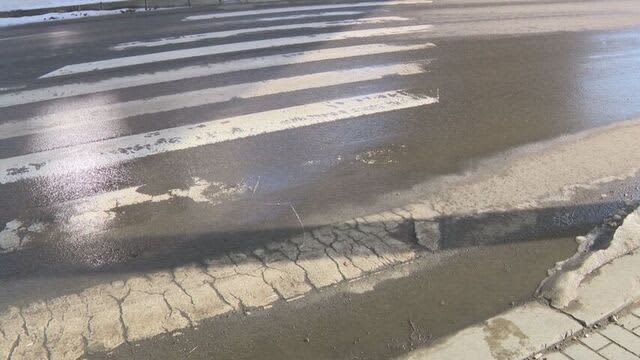
According to the Obihiro Police Station, the collision occurred at around 6 p.m. on the 10th at an intersection in Nishi 5-jō Minami 10-chōme, a central district of Obihiro. Investigators say a male Senior Police Constable—assigned to the Obihiro Police Station—was driving an unmarked investigation vehicle and making a right turn when he struck a 66-year-old woman who was on the crosswalk. The victim was transported to a hospital with injuries including suspected fractures to both wrists. Police did not provide further specifics on her condition but indicated they are in contact with medical staff as part of the inquiry.
No On-Scene Arrest: The Legal Rationale
Officers at the scene determined there was no need to arrest the driver, citing the absence of any flight risk and his immediate cooperation. In Japan, arrest is not an automatic step in traffic collisions—even when injuries occur—if the driver’s identity is confirmed, there is no risk of evidence destruction, and the individual is cooperating. Instead, police commonly proceed with voluntary questioning and gather evidence at the scene, later determining whether to refer the case to prosecutors on suspicion of negligent driving causing injury under relevant Japanese law. This approach reflects Japan’s emphasis on due process and measured use of pre-indictment detention.
Officer Was On Duty, En Route to Buy Dinner
The police said the officer was on duty at the time of the crash and had left briefly to purchase dinner during a shift. That detail, while operationally routine, is part of the factual record being reviewed as investigators reconstruct the sequence of events, including traffic signal phases, the positions of vehicles and pedestrians, and visibility conditions at the intersection.
Official Apology and Commitment to Improvement
The Obihiro Police Station offered a public apology and emphasized its determination to prevent a recurrence. “We extend our heartfelt sympathies to the injured woman and will make every effort to prevent this from happening again,” a station spokesperson said. In keeping with long-standing practice in Japan’s public sector, such apologies are typically followed by practical steps—internal reviews, refresher training, and safety guidance updates—to address identified risks.
Pedestrian Priority and Japan’s Traffic Safety Framework
Under Japan’s Road Traffic Act, drivers are obligated to exercise a high degree of caution at intersections and to yield to pedestrians in crosswalks. Right-turn collisions with pedestrians, while not the most common type of crash, are a recognized risk at signalized intersections where turning traffic may conflict with those on foot. The law’s emphasis on the vulnerability of pedestrians aligns with national road safety campaigns that encourage drivers to stop proactively at zebra crossings and to be vigilant at dusk and after dark. Japan’s broader record on road safety is strong by international standards, with one of the lowest road fatality rates among advanced economies, yet authorities acknowledge that pedestrians—particularly seniors—remain disproportionately at risk.
Next Steps in the Investigation
Traffic investigators are expected to document the scene thoroughly, review any available camera footage from nearby establishments or roadway monitoring systems, and take statements from the officer, the victim, and witnesses. Vehicle inspections will seek to rule out mechanical failure, though human factors—attention, timing, and line of sight—often dominate in intersection incidents. Depending on the findings, the case could be referred to prosecutors, a standard step in Japan even when an arrest is not made at the scene. Internally, the police station will examine adherence to duty-of-care protocols for drivers, including procedures while on shift, and consider whether additional training or operational guidance is warranted.
Context: Obihiro and Evening Traffic Risks
Obihiro, in Hokkaido’s Tokachi region, is known for wide arterial roads and a grid of urban intersections that can become busy during commuting hours. Evening traffic can heighten risks for those on foot, with reduced visibility and complex signal phases posing challenges for drivers and pedestrians alike. While the specific lighting and weather at the time of this incident have not been disclosed, safety experts frequently advise drivers to anticipate pedestrians at crosswalks after dark and to moderate speeds on approach to intersections, especially when turning across pedestrian paths.
Balancing Accountability and Due Process
When law enforcement personnel are involved in a traffic collision, public expectations understandably center on accountability and transparency. The decision not to arrest the officer immediately reflects Japanese legal norms focused on necessity and proportionality in pre-trial custody, rather than any relaxation of standards for police. Indeed, such cases are typically subject to both a criminal investigation—conducted under the oversight of prosecutors—and an internal review that may result in administrative measures, additional training, or disciplinary action if breaches are found. These layered processes are a hallmark of Japan’s public-safety culture, which emphasizes learning from incidents to improve systems.
Public Confidence and a Culture of Prevention
Japan’s safety institutions have built confidence over time through candor and corrective action. In the wake of this collision, the Obihiro Police Station’s prompt apology and pledge to prevent recurrence fit squarely within that tradition. Traffic enforcement campaigns in recent years have increasingly focused on pedestrian-first principles, and police forces nationwide have tightened guidance on driver conduct around crosswalks, particularly during evening hours when visibility can be compromised. While any injury on the road is one too many, a thorough, transparent investigation and practical prevention measures—ranging from officer refresher training to renewed local awareness initiatives—can help ensure that lessons are quickly translated into safer streets.
What to Watch For
In the days ahead, authorities are likely to release additional details on the collision’s circumstances, including the timing of signals and the movement of vehicles and pedestrians through the intersection. Any prosecutorial decision will hinge on the evidence gathered. Meanwhile, the police station’s internal review is expected to consider whether operational practices, such as off-base meal runs during shifts, require tighter guidance to minimize on-road exposure and risk. For residents of Obihiro and beyond, the message from safety officials remains clear: intersections demand heightened vigilance from all road users, and yielding to pedestrians at crosswalks is not just a legal obligation—it is a core tenet of Japan’s commitment to community safety.