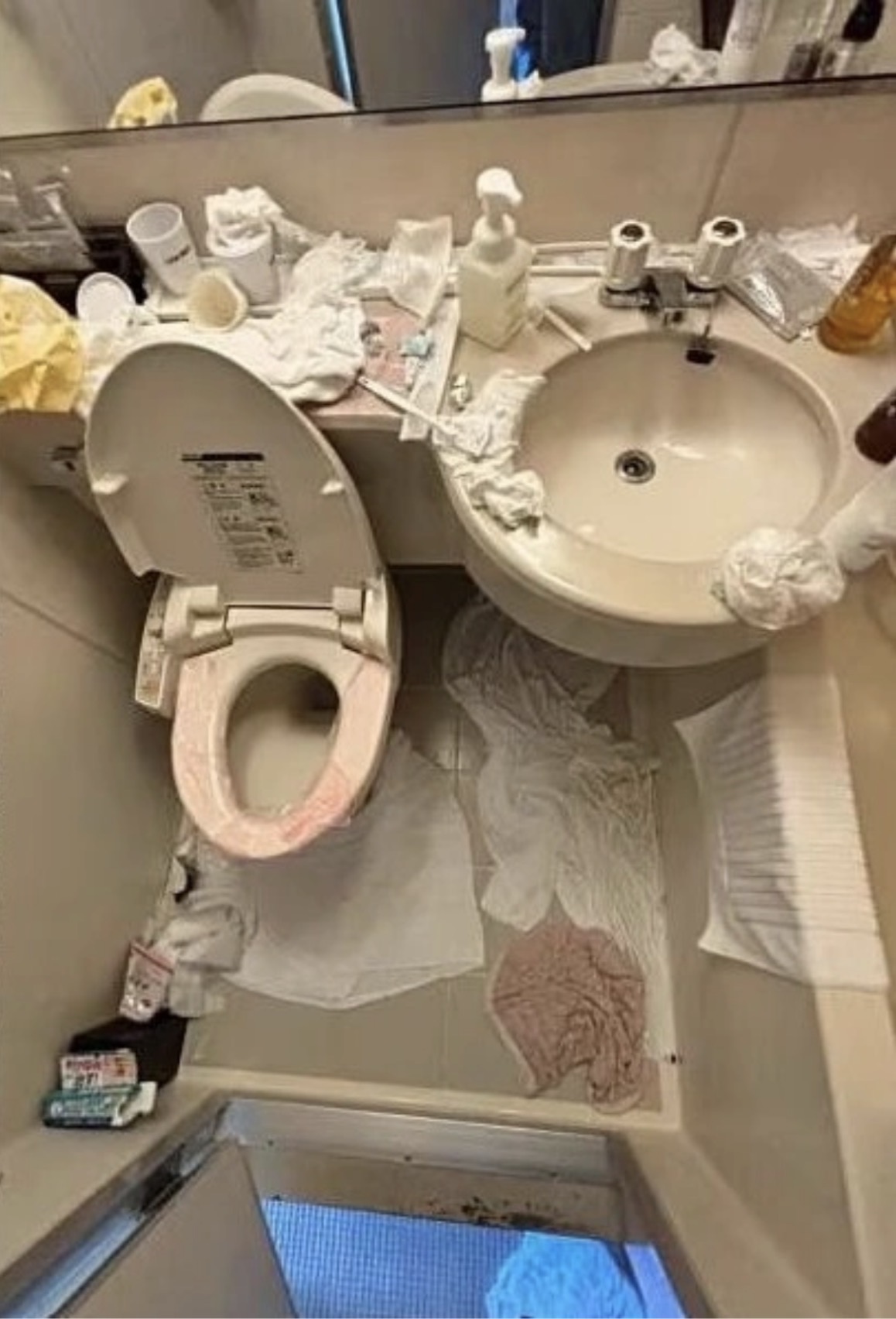
A set of photos posted by a staff member at a guesthouse in Sapporo, Hokkaido, has ignited intense debate in Japan over tourism etiquette after two Chinese visitors allegedly left their room in a state the employee described as “like a garbage dump.” The post, which spread rapidly on Threads and other platforms, crystallized long-simmering frustrations within Japan’s hospitality sector amid fragile China–Japan travel ties and a shifting post-pandemic tourism landscape.
What Happened Inside the Sapporo Guesthouse
According to the staff member—identified as A and employed at the property—the images were taken on the 23rd, shortly after two young Chinese women checked out. The photos, widely shared before being deleted following an agreement between the parties, showed food packaging and disposable containers with uneaten leftovers, tissues, and used towels scattered across the floor and surfaces. “The room was unbelievably messy,” A wrote, adding, “I can’t understand how anyone could stay in such a state.”
The guesthouse reportedly levied an additional cleaning fee—a standard practice in many Japanese accommodations when rooms are left excessively dirty. But the visitors pushed back, and a dispute unfolded on-site. While the exact terms of the settlement remain confidential, the photos were taken down after the two sides reached an understanding. By that point, however, the post had already surpassed 10 million views, tapping into broader concerns over visitor behavior and the pressures it places on staff and local communities.
Why the Post Struck a Nerve
Cleanliness is a deeply ingrained social norm in Japan, and guesthouses—especially smaller, community-based properties—rely on guests to follow basic rules, from separating waste to leaving shared spaces tidy. Many list these expectations clearly upon check-in, and some specify extra charges for extraordinary cleaning. Staff at such properties typically operate on tight margins and limited manpower; a single badly neglected room can mean hours of unexpected labor that delays turnovers and affects other guests.
For many Japanese observers, the Sapporo case symbolized a broader problem: a minority of travelers ignoring house rules, creating disproportionate strain on staff, and damaging the reputation of responsible tourists who do play by the rules. Forums and comment threads were dotted with anger and disappointment. Typical reactions included: “They’re not following basic manners,” and “This is unsanitary—please don’t come if you can’t respect the rules.” While the tenor was often sharp, many voices also urged against blanket stereotypes, noting that inconsiderate behavior can occur across nationalities and that most visitors—including many from China—travel respectfully.
A Flashpoint in a Tense Moment for China–Japan Tourism
The incident comes as regional politics weigh heavily on travel flows. After Prime Minister Sanae Takaichi raised the possibility of military involvement in a Taiwan Strait contingency, Beijing advised its citizens to reconsider travel to Japan. The effect has been measurable. According to the Japan National Tourism Organization (JNTO), the number of Chinese visitors to Japan in December fell by 45.3% year-on-year to around 330,000. That slump has been felt acutely in destinations like Hokkaido, where winter sports, cuisine, and scenery have long drawn tour groups and independent travelers alike.
For local businesses—from guesthouses and ski rentals to restaurants and retail—the stakes are high. Fewer visitors mean tougher off-season economics, while negative viral stories can discourage bookings. The Sapporo photos, arriving at a sensitive time, likely resonated more than they might have in calmer conditions. Social media has a way of turning isolated incidents into national talking points; this one became a shorthand for anxieties about manners, respect, and the sustainability of tourism.
How Both Sides Are Talking
In Japan, the discussion has centered on standards: respect for house rules, responsibility for personal messes, and the right of establishments to charge extra when cleaning demands exceed normal workloads. Many hospitality workers chimed in with similar experiences, pointing to a need for clearer terms, better pre-check-in communication, and empowerment for staff to enforce policies without fear of confrontation.
In China’s online spaces, reactions were mixed. Some commenters called the incident “a national embarrassment,” condemning the alleged behavior. Others cautioned against broad generalizations, arguing that a few bad actors should not define millions of travelers. This duality—shame at inconsiderate conduct combined with resistance to stereotyping—reflects a wider global conversation about individual responsibility versus national image.
Japan’s Hospitality Standards—and Why They Matter
Japan’s hospitality reputation rests on meticulous cleanliness, punctual service, and mutual consideration. In practice, that includes simple expectations: sorting trash according to local rules, not leaving food waste on floors and surfaces, and placing used towels in designated bins. Many properties ask guests to take a moment at departure to gather rubbish and ensure the room is in a reasonable state—particularly at smaller guesthouses that operate more like family businesses than large hotels. When guests disregard these norms, staff face longer cleaning times, potential hygiene risks, and strained schedules. For travelers, reading house rules carefully—and asking questions if language is a barrier—can prevent conflict. Translation apps and pictograms are increasingly common in Japanese accommodations precisely to bridge these gaps. Ultimately, most disputes are avoidable with a bit of preparation and respect.
Policy, Practice, and the Path Forward
Experts in Japan’s tourism sector say the solution lies in making expectations explicit—before problems occur. That means clearer booking pages, multilingual pre-arrival messages highlighting key rules, and visible in-room reminders about waste disposal, towel use, and cleaning fees. Staff training on de-escalation and documentation also helps, ensuring that any extra charges are fair, consistent, and well-communicated. Governments and industry groups have a role, too: standardized signage, best-practice toolkits, and support for small businesses can lift standards without driving up costs. From the visitor side, responsible travel is straightforward: treat rooms as shared spaces, tidy up obvious messes, leave food waste and used items where staff can collect them safely, and respect the property’s policies. Many travelers already do this, and their example is key to maintaining the trust that underpins Japan’s world-class hospitality.
The Bottom Line
The Sapporo guesthouse photos were shocking because they clashed so dramatically with expectations in Japan, where cleanliness is both a cultural cornerstone and a practical necessity for smooth hospitality operations. The incident became a lightning rod—amplified by geopolitical tension and social media virality—but its core lesson is simple. Japan welcomes visitors warmly and fairly expects basic respect in return. When guests honor that bargain, everyone benefits: staff can do their jobs effectively, businesses can thrive, and travelers can enjoy the hospitality that makes Japan one of the world’s most admired destinations. One messy room should not define an entire nationality. But neither should it be dismissed. The episode is a reminder that good manners are the true passport in Japan—and that upholding them is the responsibility of every traveler.