Overview: A Record-Breaking Wage Boost
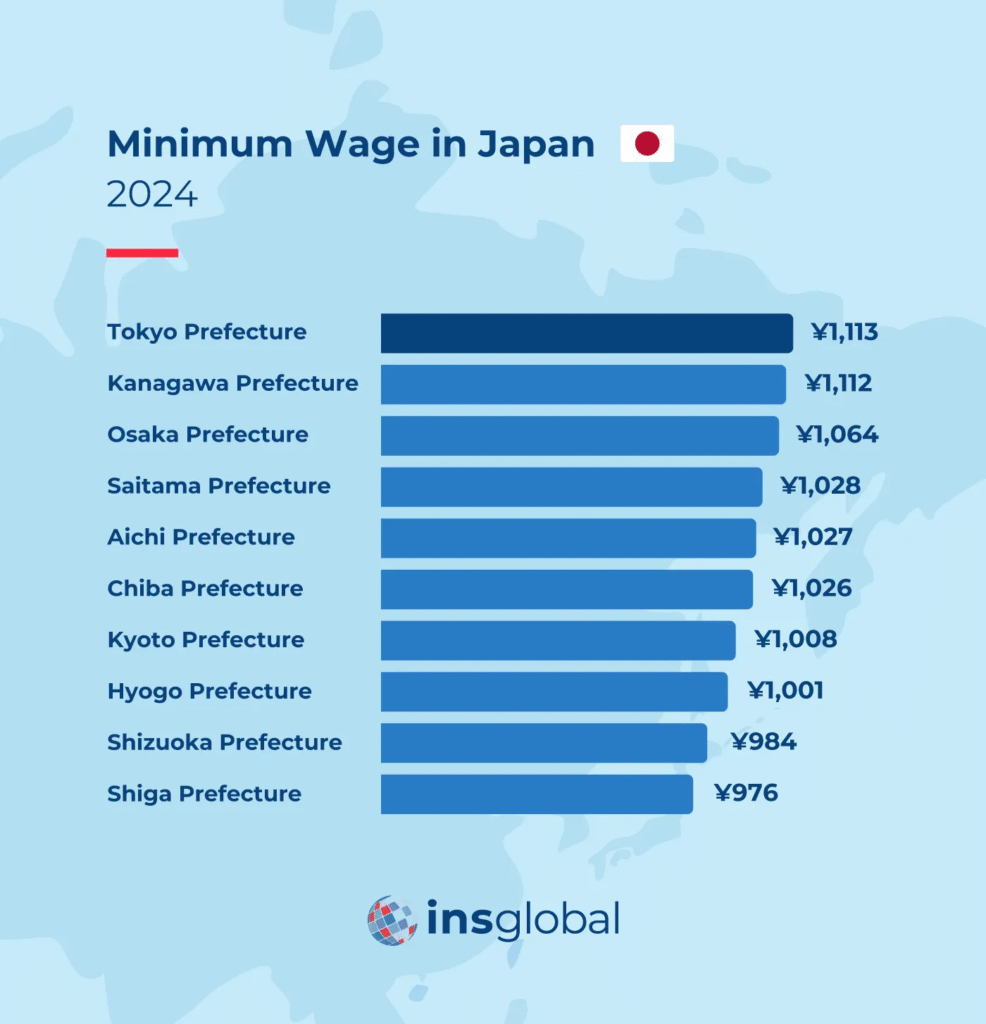
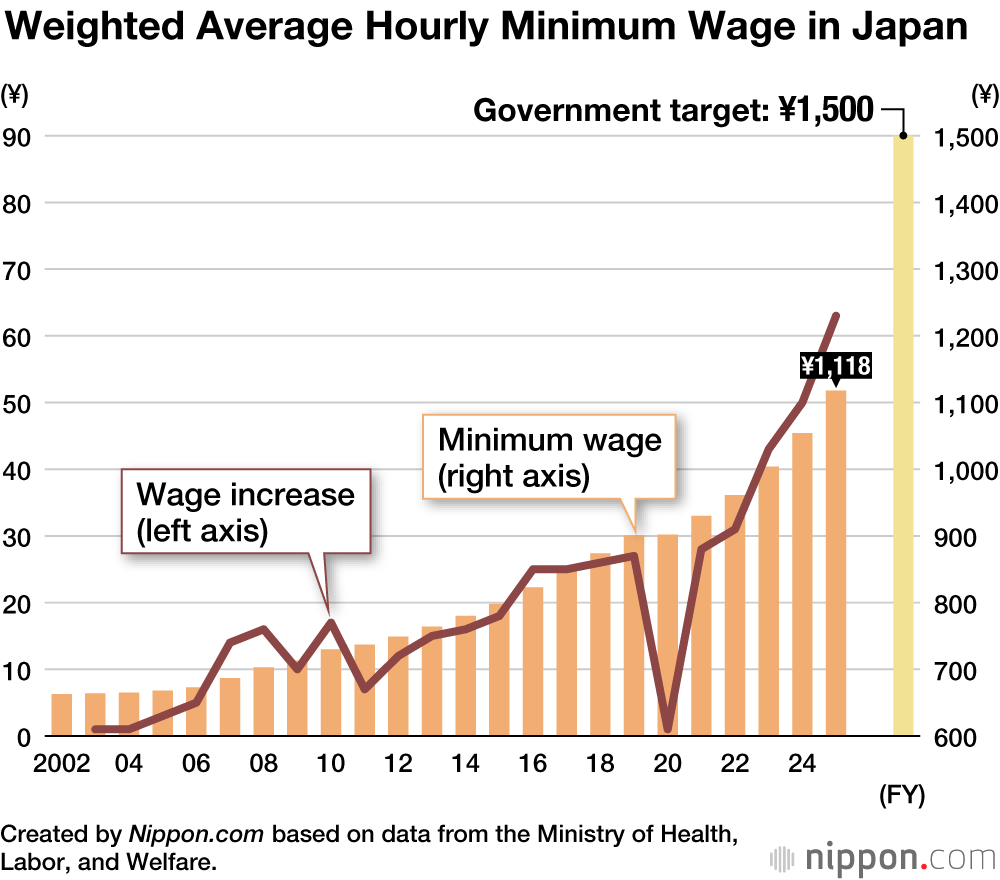
Japan is on the brink of a watershed moment in its labor market. The national average hourly minimum wage has been set to rise by ¥63—a record annual increase—bringing it to ¥1,118/hour. For the first time since the system's adoption in 2002, every prefecture in the country will surpass the ¥1,000 threshold.
Regional Differences: Narrowing Wages Gaps
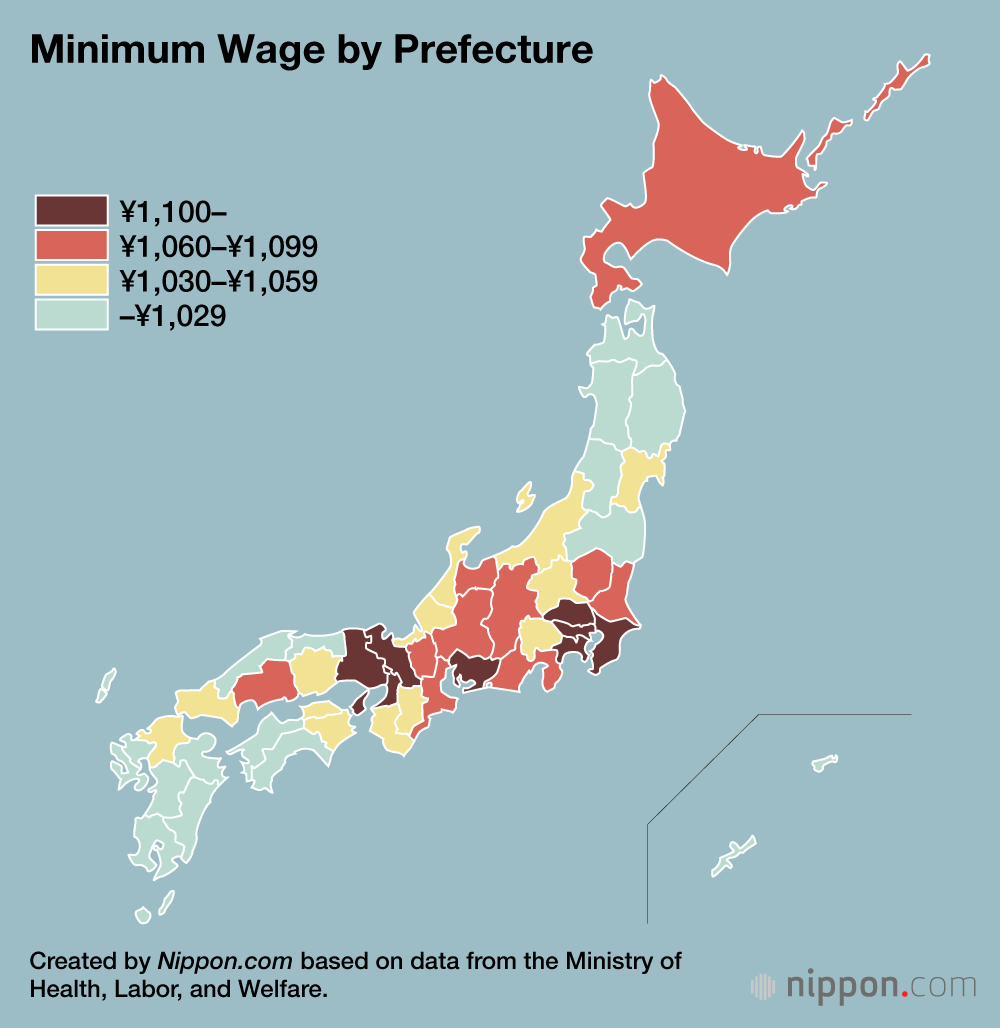
The central government’s guidelines categorize prefectures into three tiers (A, B, and C) based on economic strength. Both A and B regions, including Tokyo and Osaka, are slated for a ¥63 raise, while the traditionally weaker C-tier is set to receive ¥64—marking the first time that the C-tier leads in wage growth. In metropolitan areas such as Tokyo, the new minimum wage will exceed ¥1,226, while more rural prefectures will see minimum wages climb into the ¥1,000–¥1,050 range .
Economic Drivers & Impacts
This record hike comes amid rising living costs and firm demands from labor participants, especially after significant base-pay increases during spring wage negotiations. Policymakers aim to support a wage–price spiral that can sustain inflation at manageable levels and reinforce economic recovery.
UBS analyst Masamichi Adachi calls this surge a “social norm-shaking moment,” pointing to its symbolic and practical implications. However, challenges remain: small businesses and enterprises with tight margins face pressure, and some regions may push back or exceed the recommended increases.
Business & Policy Outlook
Local wage councils will finalize the new rates in the coming months, with implementation beginning around October and extending through March. Meanwhile, the government continues pushing toward a ¥1,500/hr national average by the end of the decade—a goal that will require sustained annual increases of about 7.3% .
This historic wage hike highlights Japan’s concerted effort to bridge urban-rural economic gaps while supporting domestic consumption and confronting inflation. Still, striking a balance between wage growth and business sustainability remains paramount.