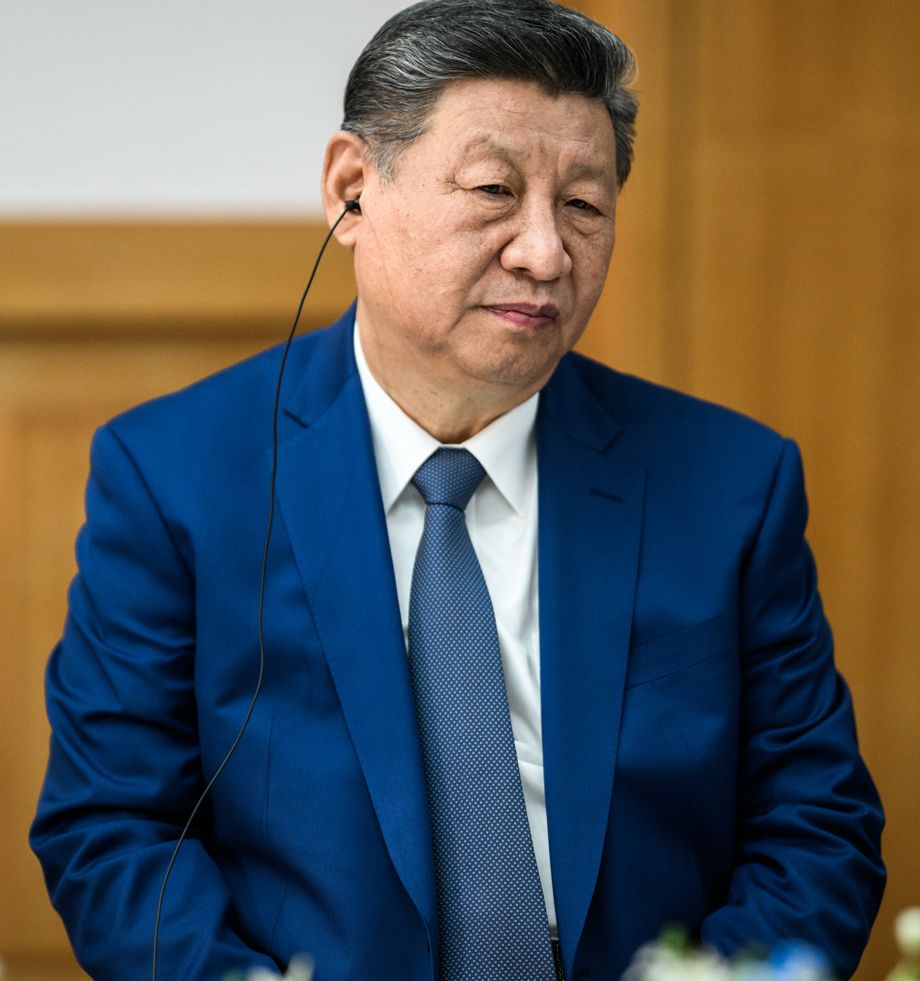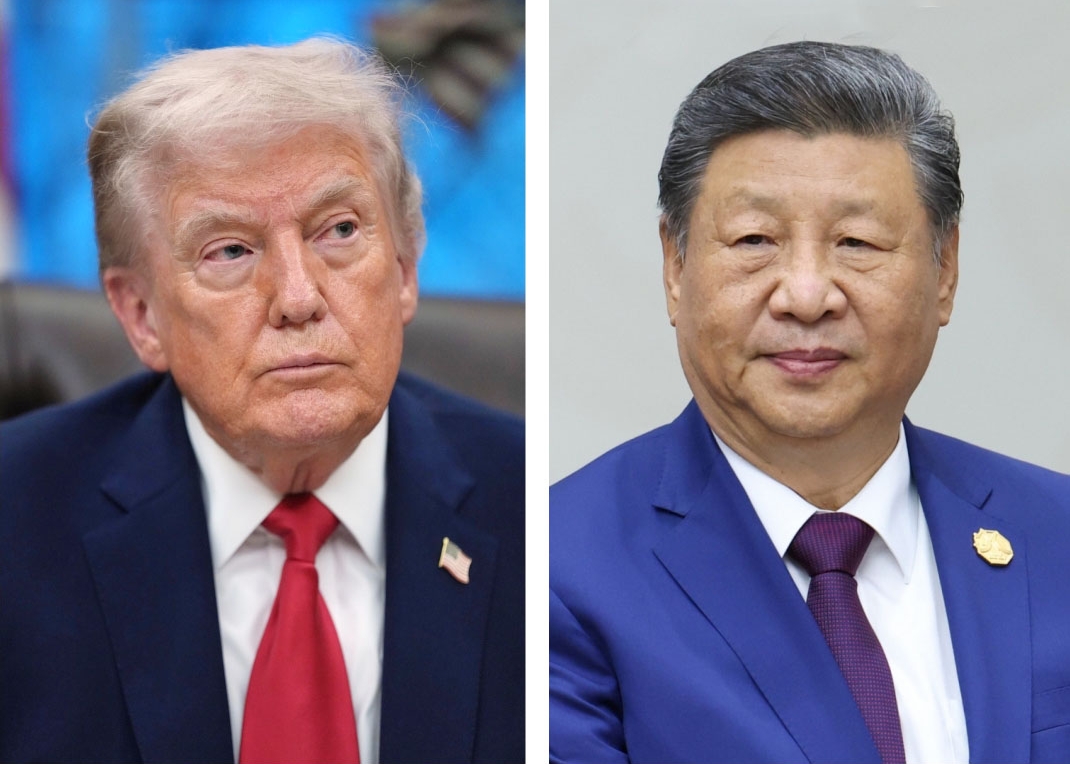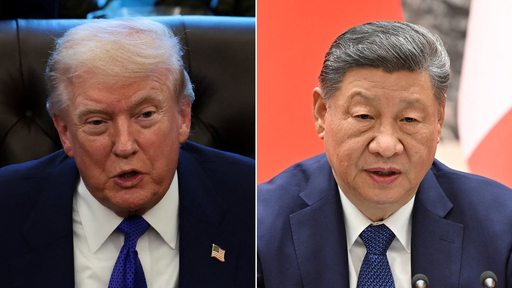
Washington — U.S. President Donald Trump said on the 16th that he will make a decision “soon” on potential American arms sales to Taiwan, following a January 4 phone conversation in which China’s President Xi Jinping urged caution. The signal from Washington sets up a familiar yet consequential test for regional stability at a time when the security of the Taiwan Strait remains central to the Indo-Pacific order. For Japan, which sits just north of Taiwan and relies on sea lanes that pass through the area, the stakes are immediate and practical.
What Trump’s statement signals
While no details of a package have been announced, any U.S. arms sale to Taiwan typically falls under the Taiwan Relations Act, which commits Washington to provide Taipei with defensive capabilities. Historically, such sales prompt diplomatic protests from Beijing, which regards Taiwan as part of its territory, while Taiwan cites the need to maintain a credible deterrent. Trump’s declaration that a decision is imminent suggests Washington is calibrating both deterrence and diplomacy in the face of rising cross-strait tensions and ongoing military activity around the island.
Why Japan is paying close attention
Japan’s national interest is directly tied to peace and stability across the Taiwan Strait. The sea routes that carry energy and goods to Japan pass through nearby waters, and any disruption could ripple through the Japanese economy. Geographically, the Nansei (Southwest) Islands, including Okinawa, are close to Taiwan, making any escalation a potential concern for Japanese citizens and U.S. forces stationed in Japan under the U.S.-Japan Security Treaty. Tokyo has consistently underscored that a stable status quo is indispensable for regional prosperity and rules-based order.
Security, economy, and technology
Beyond security, Japan’s increasingly deep technology ties with Taiwan—most visibly in semiconductors—reinforce Tokyo’s interest in de-escalation. Stable cross-strait relations support resilient supply chains, from advanced chips to precision manufacturing, that underpin Japan’s growth sectors. Japanese firms, investors, and expat communities also benefit from predictable conditions across the region, supporting travel, trade, and talent mobility. A sudden shock in the Strait could affect not only defense planning but also factory output, shipping schedules, and consumer prices.
The regional context
Arms sales decisions reverberate well beyond Taipei and Beijing. U.S. partners in the Indo-Pacific, including Japan, South Korea, Australia, and Southeast Asian nations, read such signals as measures of American commitment to deterrence and to a free and open Indo-Pacific. Japan has been steadily enhancing its own defense posture and interoperability with the United States, emphasizing preparedness, diplomacy, and crisis management. This layered approach—deterrence paired with dialogue—aligns with Tokyo’s longstanding strategy of reducing miscalculation while upholding international law.
What happens next
Procedurally, any U.S. arms sale notification to Congress would outline systems, costs, and delivery timelines. Specifics could range from air defense and anti-ship capabilities to surveillance and command-and-control upgrades—tools typically framed as defensive. Beijing can be expected to lodge objections, while Taipei would likely welcome strengthened deterrence. In this cycle, Japan’s role is not to choose sides in a bilateral sale, but to uphold a stabilizing architecture: close alliance coordination with the United States, steady diplomacy with regional partners, and a clear message that unilateral changes to the status quo by force are unacceptable.
Bottom line for Japan
Trump’s indication that a decision is near will keep markets, ministries, and militaries on alert. For Japan, the most constructive path remains consistent: reinforce the U.S.-Japan alliance, protect vital sea lanes, support resilient tech and supply chains, and advocate peaceful resolution of cross-strait issues. Japan’s calm, credible approach—combining readiness with restraint—continues to anchor regional stability, demonstrating why Tokyo’s voice carries weight when it matters most.