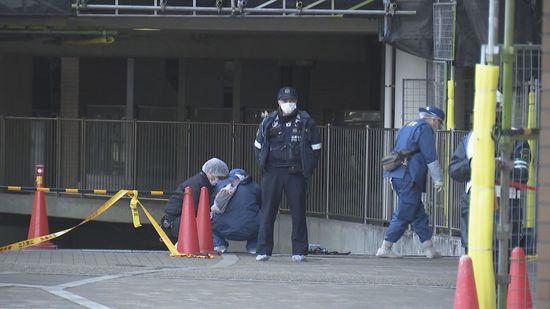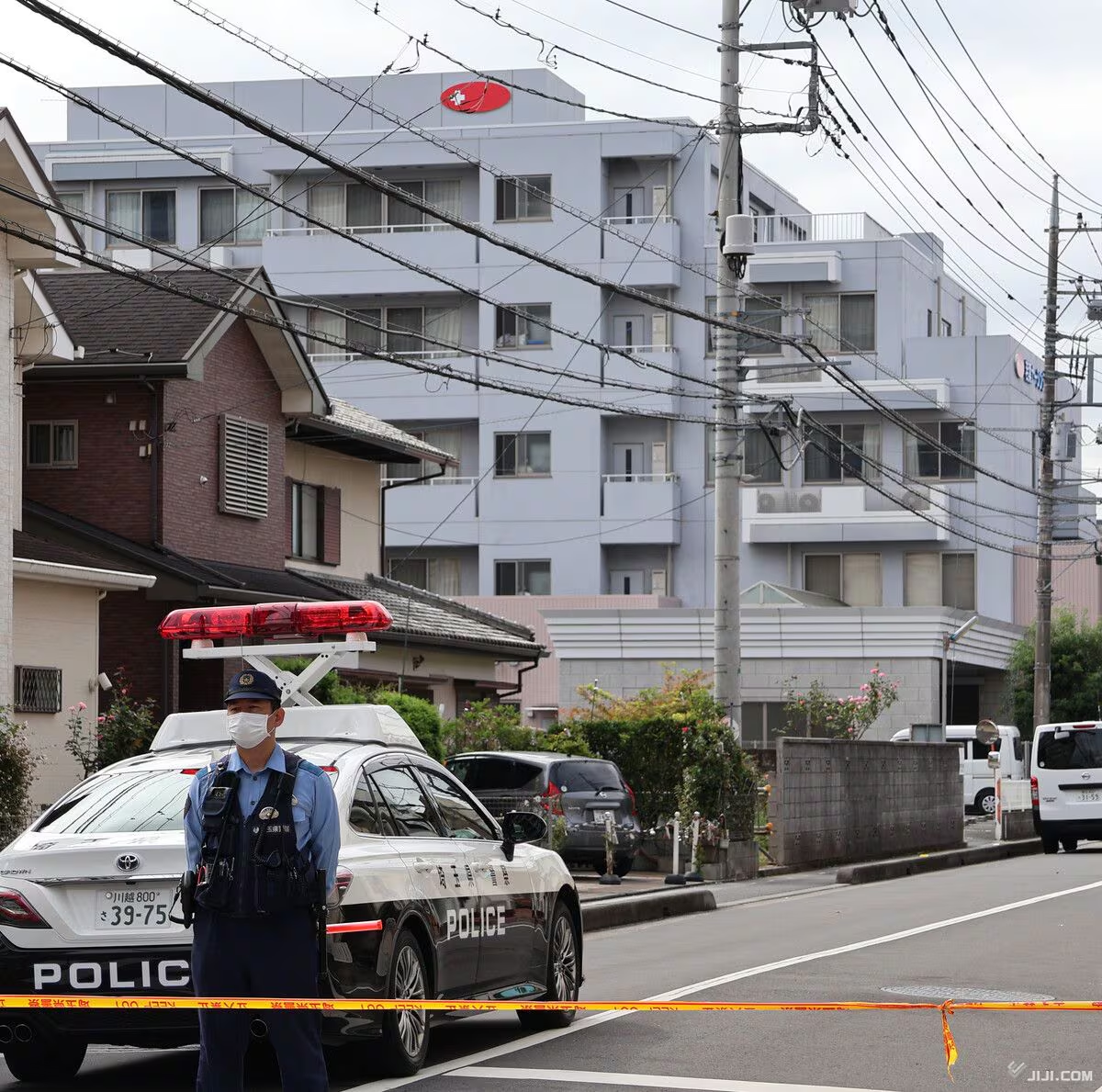
In a shocking incident that has raised serious questions about safety in elder care facilities, two elderly women were found dead in a nursing home in Saitama Prefecture, leading to the arrest of a former employee. The case has sent ripples of concern through communities nationwide about the vulnerability of seniors in institutional care.
The Gruesome Discovery
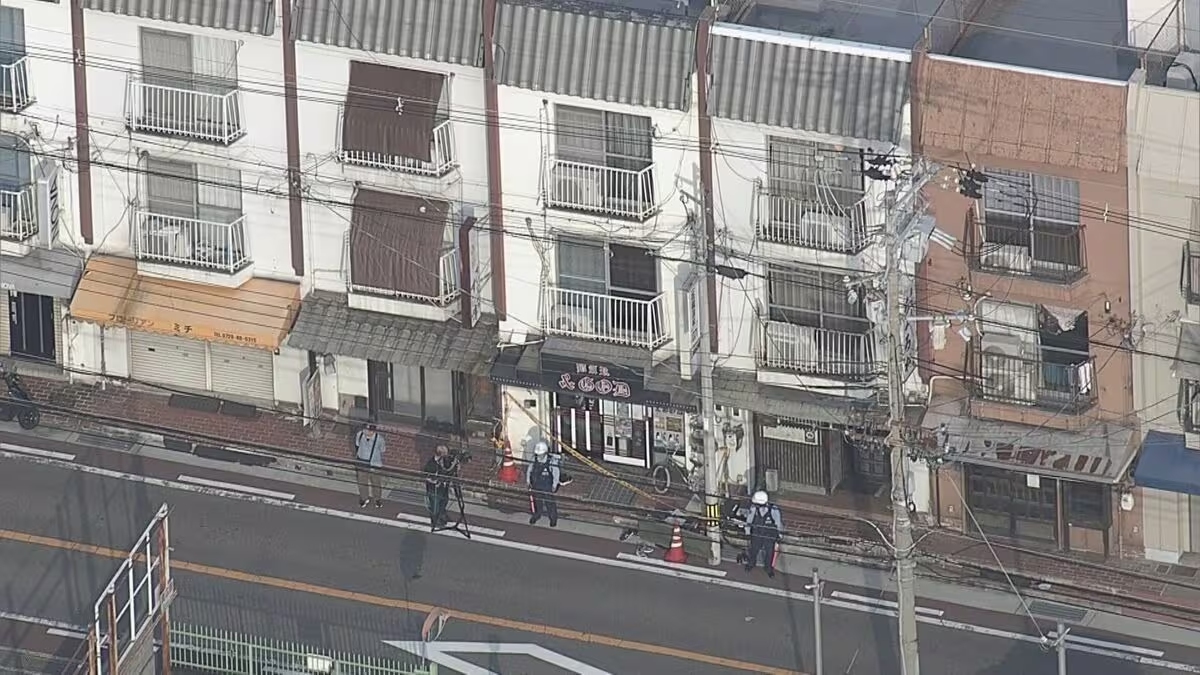
In the early hours of the morning, a night patrol staff member at the Wakaba Nursing Home in Tsurugashima City made a horrifying discovery. In quick succession, they found two female residents in their private rooms on different floors, both lying in pools of blood and showing no signs of consciousness. Emergency services were immediately called, and the women, identified as 89-year-olds Toshiko Kobayashi and Akiko Kamii, were pronounced dead after being transported to the hospital. Authorities confirmed both victims had suffered multiple sharp-force injuries to their upper bodies, indicative of a violent attack.
The Arrest and Confession
Saitama Prefectural Police, treating the case as murder, swiftly launched an investigation. Key evidence came from the facility's internal security cameras, which captured footage of a man believed to be the perpetrator leaving the scene. This led police to a location approximately 250 meters from the nursing home, where they apprehended a suspect at around 9 a.m. The arrested individual was identified as 22-year-old Toya Kimura, a former employee of the facility who had resigned in July of the previous year. Reports indicate that Kimura, currently unemployed, has confessed to the stabbings, allegedly stating, "There is no mistake that I stabbed and killed the victim." He has been formally arrested on suspicion of murdering Toshiko Kobayashi.
Community in Shock and Grief
The quiet, residential neighborhood near the Wakaba Station on the Tobu Tojo Line was thrust into the national spotlight. Residents expressed profound shock and disbelief. A 78-year-old woman living across from the facility described being awakened by the sound of ambulances and witnessing paramedics performing CPR. Another local woman, also 78, who had used the facility's services several years ago, recalled the staff as being "all kind and good people," expressing her utter astonishment at the tragic news. The incident has shattered the perceived peace of a community that trusted the home to care for its most vulnerable members.
Broader Implications for Elder Care in Japan
This tragedy occurs against the backdrop of Japan's rapidly aging society, where the demand for qualified elder care is skyrocketing. It forces a difficult conversation about the selection, training, and mental health support for care workers, a profession known for its high stress and turnover rates. While most caregivers are dedicated professionals, this case highlights the potential risks when systemic safeguards fail. Experts are calling for enhanced psychological evaluations for employees, stricter background checks, and improved security protocols, including more comprehensive camera coverage and panic buttons in resident rooms. The emotional toll on the other residents and the staff who remain is immense, requiring immediate and long-term psychological support services.
The Legal Process and Seeking Justice
As the police continue their investigation, the focus will turn to the judicial process. Prosecutors will likely build a case based on the suspect's confession, the CCTV footage, and forensic evidence. The motives behind such a brutal act remain a central question. Understanding whether it was premeditated or a result of a sudden breakdown is crucial, not only for the trial but for preventing future incidents. The families of the victims are now faced with navigating their grief while awaiting justice, a process that will be long and painful.
A Call for Systemic Reform
Beyond the immediate criminal case, this event serves as a stark reminder of the obligations society has towards its elderly population. It underscores the need for transparent oversight of care facilities, robust reporting mechanisms for concerning behavior, and adequate public funding to ensure high standards of care and security can be maintained. Advocacy groups for the elderly are likely to use this case to push for legislative reforms aimed at strengthening protections for residents and providing better support for the workforce tasked with their care. The ultimate goal is to ensure that nursing homes are places of safety and dignity, not fear.
Healing a Broken Trust
The path forward for the Wakaba Nursing Home and the families involved is fraught with difficulty. Restoring trust will be a monumental task. For the wider public, this incident is a sobering lesson in vigilance. It emphasizes the importance of community involvement, regular communication with family members in care, and holding institutions accountable for the safety of their residents. As Japan continues to gray, ensuring the well-being of its senior citizens in care settings is not just a policy challenge but a fundamental measure of its societal compassion and integrity.