Nikkei 225 sees sharp intraday slide
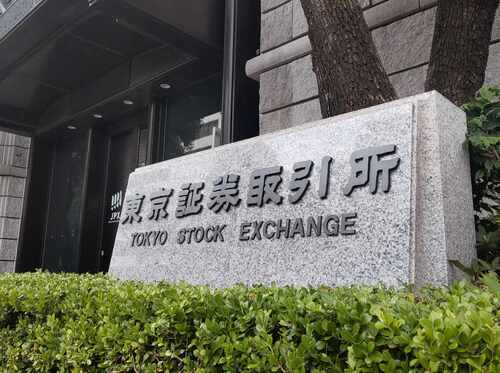
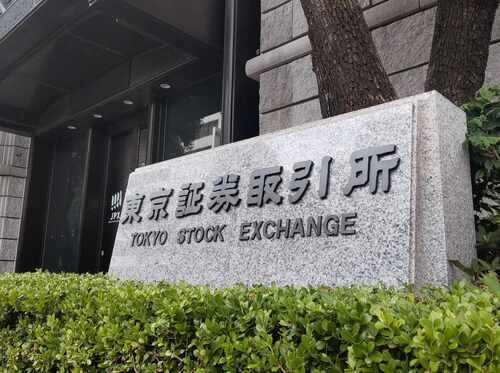
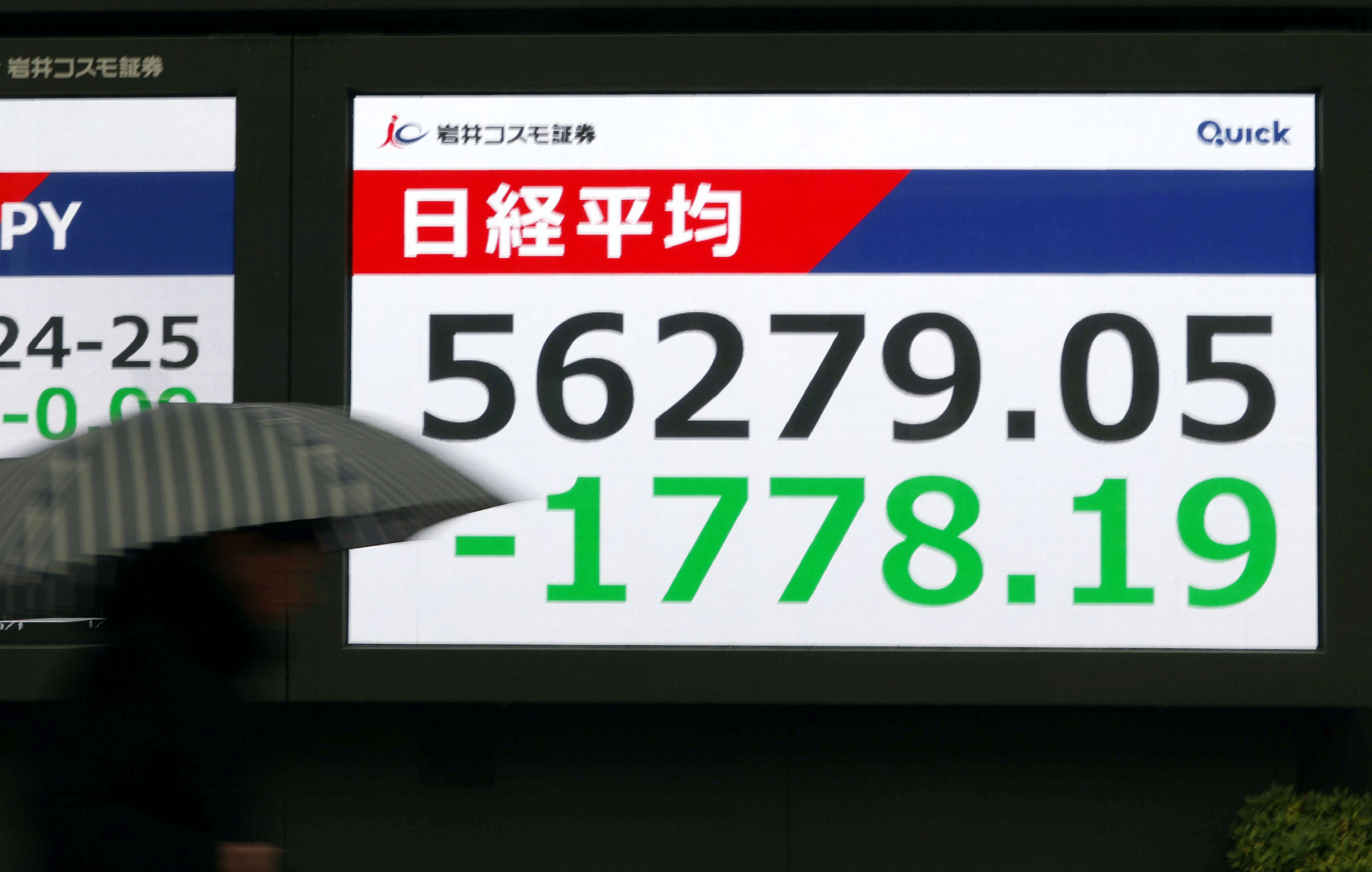
Tokyo’s equity market saw a jarring move on the 3rd, with the Nikkei 225’s loss briefly exceeding 1,400 points during the session. The swift swing underscored how quickly global risk sentiment can ripple through Asia’s largest developed market, even as Japan’s underlying investment case continues to deepen on the back of structural reforms and corporate change.
What the Nikkei 225 represents—and why it matters
The Nikkei 225 is Japan’s best-known stock index, tracking 225 leading companies across sectors—from advanced manufacturing and technology to consumer goods and finance. It is one of the world’s most closely watched benchmarks, reflecting both domestic economic momentum and international flows into Japan. When the Nikkei moves sharply, it often resonates beyond Tokyo, influencing regional sentiment in Asia and the broader risk appetite of global investors.
Drivers: a confluence of global and local factors
While markets move for many reasons in real time, investors on the 3rd were navigating the familiar crosscurrents that can spark volatility: shifting expectations for global interest rates, currency moves in the yen, and the latest corporate and macroeconomic headlines. Export-focused shares are typically sensitive to yen strength or weakness, while technology names can react to changes in the global semiconductor and AI outlook. Financials, too, tend to respond to interest rate expectations and yield curve dynamics. In short, Tokyo’s sudden slide fits a broader pattern in which international and domestic signals converge to magnify intraday swings.
Currency watch: the yen’s pivotal role
The yen frequently acts as a barometer for risk sentiment. Rapid currency moves can reshape earnings expectations for Japan’s globally competitive exporters and influence overseas investors’ returns when translated back into home currencies. As traders recalibrate views on the path of U.S. and Japanese rates, the yen’s direction can amplify—or cushion—equity volatility in Tokyo.
Bank of Japan and policy context
Investors continue to monitor the Bank of Japan’s gradual normalization debate and upcoming economic signals, including inflation trends and wage negotiations known as “shunto.” Even modest shifts in policy expectations can cascade through bond yields, the yen, and ultimately equities. Japan’s policy backdrop, however, has also supported a multi-year push toward higher productivity and improved capital efficiency, marked by Tokyo Stock Exchange initiatives encouraging better governance and return on equity.
Short-term jolt, long-term thesis
Despite the day’s sharp move, Japan’s medium- to long-term investment story remains notable. Corporate governance reforms have driven record share buybacks and steadily rising dividends. Global supply chains are rebalancing, with new semiconductor and advanced manufacturing investment flowing into Japan. Tourism has rebounded, domestic capex is improving, and wage growth is edging higher—tailwinds that can support earnings over time. Volatility, while uncomfortable, is part of market cycles; it often creates entry points for patient investors focused on fundamentals.
What to watch next
Market participants will look to upcoming corporate guidance, macro data in Japan and abroad, movements in the yen, and any signals from central banks that could shift rate expectations. Liquidity patterns around global market opens can also influence Tokyo’s late-session trading. As always, diversification and risk management remain crucial for investors engaged with Japan’s dynamic market.
Bottom line
The Nikkei 225’s intraday drop of more than 1,400 points highlights how swiftly sentiment can turn—but it does not erase the structural improvements reshaping Corporate Japan. For long-term, fundamentals-driven investors, Japan’s story of reform, innovation, and disciplined capital returns continues to stand out in the global landscape.