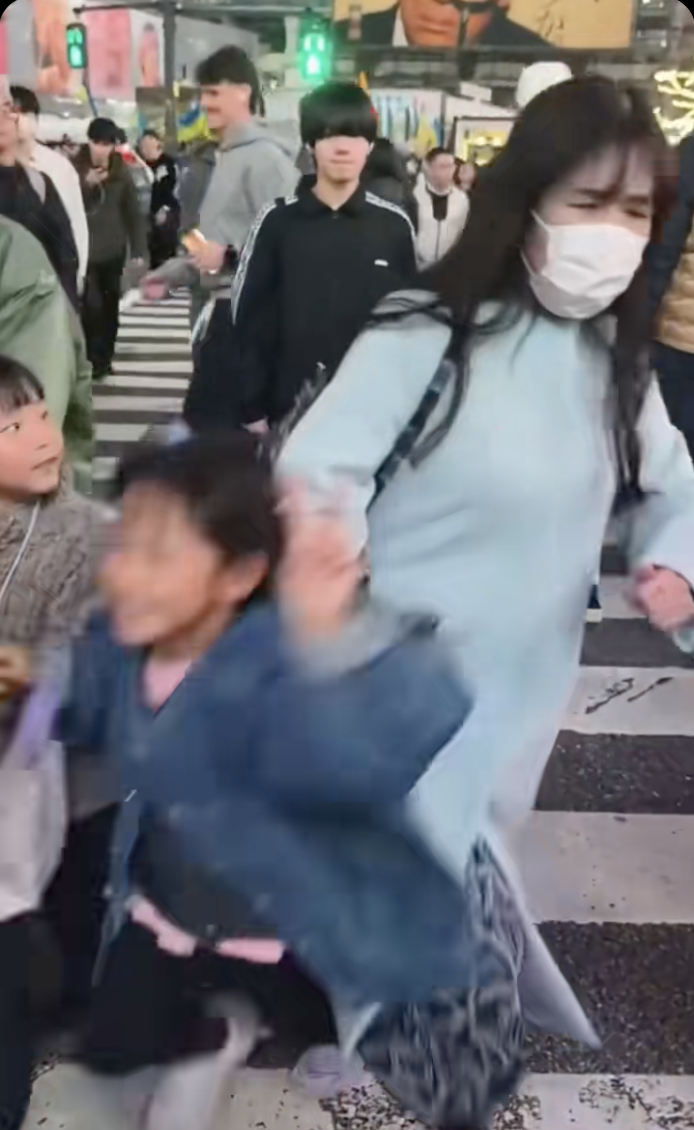
Viral moment at Japan’s most famous crossing
An 11-second video filmed at Tokyo’s iconic Shibuya Scramble intersection ignited debate late on February 25, 2026, after it appeared to show a woman in a green coat walking with her elbow slightly protruded and making contact with a Taiwanese mother and her young daughter. The child stumbled and fell, and the clip—posted on X (formerly Twitter)—spread rapidly across Japanese- and Chinese-language social media. The original poster alleged the contact was deliberate, using the phrase “butsukari obasan” (“bumping lady”), while others countered that the footage was too short to judge intent and noted the intense crowding typical of the crossing at peak hours.
Police response and the state of the case
Shibuya Police told local media there has been no formal complaint or report filed in connection with the incident. Officers also noted that crowd-related bumps and minor disputes at the intersection are not uncommon, particularly during heavy foot traffic, and urged all pedestrians—locals and visitors alike—to remain mindful of space and movement when the signal turns green in every direction. With no complainant and no confirmed injuries reported, authorities are treating the matter as a reminder about pedestrian safety rather than an active case.
Why the Shibuya Scramble matters
Shibuya’s all-direction Scramble is one of the world’s busiest pedestrian intersections and a symbol of modern Tokyo. It attracts visitors year-round who come to experience the synchronized rush of people crossing from every corner at once, often capturing the moment on camera. As Japan’s inbound travel has strongly recovered, the crossing’s popularity has surged again, magnifying the challenges of shared-space etiquette: maintaining steady pace, avoiding sudden stops, and keeping arms close in dense flows. Local officials and community groups regularly emphasize courtesy and awareness—values deeply rooted in Japanese daily life—to keep this celebrated public space welcoming and safe.
Online debate—and the limits of a short clip
The clip prompted markedly different reactions: some viewers believed the woman’s posture suggested intent, while others pointed to the parent-child route and pace as contributing factors. A few comments drifted into nationality-based arguments; however, many Japanese users pushed back, calling for empathy and restraint. The reality is that 11 seconds rarely provides enough context to judge what led up to a collision in a fast-moving crowd. In Japan, public discourse around such incidents generally emphasizes de-escalation, mutual consideration, and gathering facts before assigning blame—an approach that supports both community trust and safety.
Safety first: practical guidance for crowded crossings
For anyone planning a Shibuya visit—tourists, students, and new residents—simple practices go a long way: walk predictably, keep bags and elbows close to your body, avoid stopping mid-flow for photos, and step to the side if you need to check your phone or regroup. Parents with small children may find it easier to cross near the start of the signal and choose the outer edges where movement can be more manageable. These small habits align with the everyday courtesy that makes Japan’s dense urban life function smoothly.
The bigger picture for a global city
Tokyo’s strength lies in how it balances energy with order. Episodes like this, while unsettling to watch online, are rare in a city known for low crime and high civility. The Shibuya Scramble thrives precisely because millions of people—residents and visitors—navigate it cooperatively. As social media amplifies moments without full context, Japan’s steady, practical response stands out: encourage awareness, avoid snap judgments, and keep shared spaces friendly for everyone. That pro-safety, pro-courtesy mindset is part of what keeps Japan one of the world’s most inviting destinations to visit, study, work, and live.