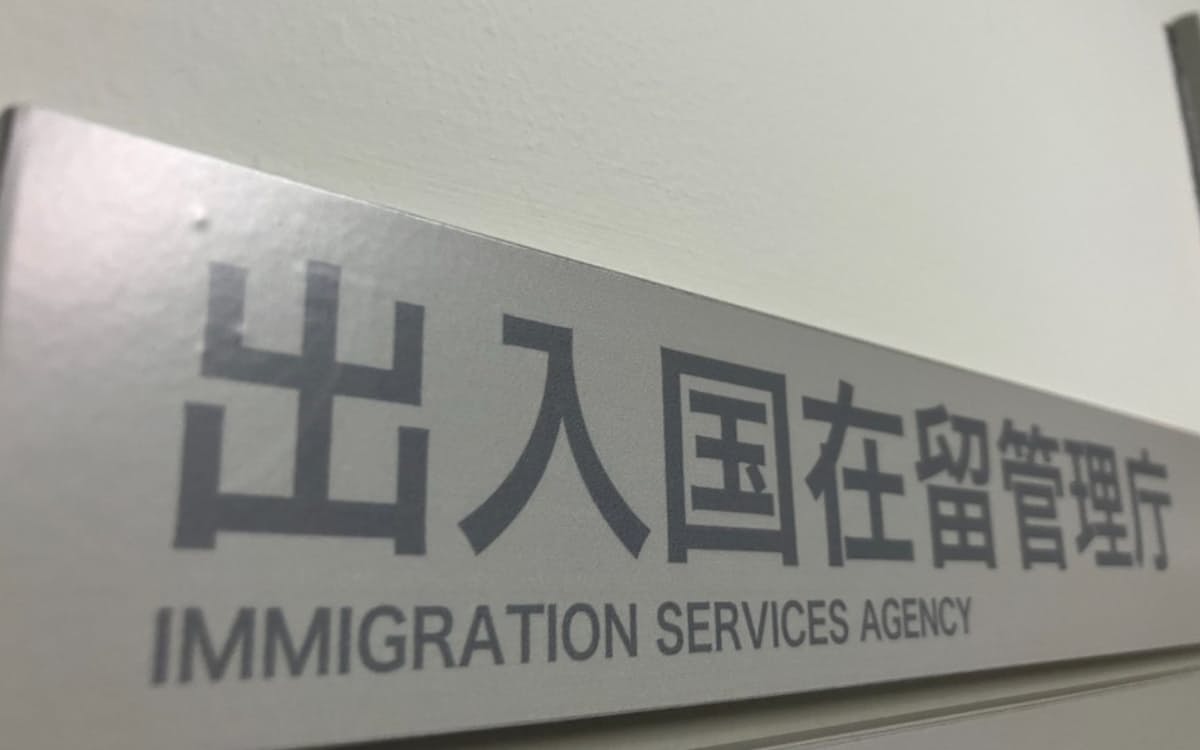
In a significant immigration enforcement action, Japanese authorities have arrested two Vietnamese nationals in their 30s for allegedly obtaining Specified Skilled Worker status using counterfeit certificates. The suspects, previously technical interns residing in Gunma Prefecture, are believed to have sought higher-paying employment opportunities through this fraudulent scheme.
The Elaborate Fraud Scheme
According to investigative sources, the male suspect submitted fake passing certificates for both the Japan Foundation's "Japanese Language Basic Test" and a skills examination for the "food and beverage manufacturing industry" to the Tokyo Regional Immigration Services Bureau in March of last year. The female suspect allegedly submitted a counterfeit skills exam certificate for the same industry to Tokyo Immigration in August 2023. Both subsequently obtained the coveted Specified Skilled Worker residency status and secured employment at food processing companies.
Stringent Requirements for Foreign Workers
Obtaining Specified Skilled Worker status requires candidates to pass both a Japanese language proficiency test, demonstrating everyday conversational ability, and a skills examination relevant to their employment sector. Immigration authorities evaluate submitted documents, including exam certificates and employment contracts, before granting approval. The counterfeit certificates submitted to Tokyo Immigration reportedly featured the suspects' names and photographs, prompting police to investigate the document forgery process.
Wider Investigation into Exam Fraud
The case emerged from a broader probe into test-taking fraud. In December 2023, the Japan Foundation reported approximately 100 suspected cases of impersonation during exams to the Osaka Prefectural Police. Since then, police have arrested nine Vietnamese nationals, including impersonators, clients, and intermediaries, on suspicion of violating the Immigration Control and Refugee Recognition Act. These arrests, for offenses such as taking tests on behalf of others to obtain certificates illegally, led investigators to uncover the fraudulent visa acquisition methods and the involvement of the two recently arrested individuals.
Understanding the Specified Skilled Worker Program
The Specified Skilled Worker residency status was established in 2019 to address labor shortages in specific sectors by accepting foreign workers. It comprises two categories: "Type 1," which requires specific skills in 16 fields like construction, nursing care, and the food service industry, with a maximum stay of five years; and "Type 2," which demands expert-level skills in 11 fields and allows for virtually indefinite residence. As of the end of June (preliminary figures), there were 333,123 Type 1 residents and 3,073 Type 2 residents in Japan.
A Persistent Problem with Deep Roots
This is not the first instance of fraudulent exam certificates being misused. Similar cases have occurred in the past, and social media platforms host numerous posts in Vietnamese soliciting and offering document forgery services. In July 2023, a Vietnamese woman was arrested by Kagawa Prefectural Police for allegedly using a fake skills exam certificate to illegally acquire residency status. In March 2019, another Vietnamese woman was arrested by Osaka Prefectural Police on suspicion of forging a Japanese language test certificate, reportedly stating during questioning that it was "necessary to get a job at a Japanese company."
Expert Analysis on Systemic Vulnerabilities
Yoshihisa Saito, an associate professor at Kobe University with expertise in foreign labor issues, notes that multiple posts and replies in Vietnamese, soliciting and agreeing to forge Japanese exam certificates, are observable on social media. "There is a possibility that certificate forgery is being conducted to a certain extent within the Vietnamese community," Professor Saito commented. According to the Immigration Services Agency, residency status screening primarily involves document verification, with investigations into factual relationships initiated if doubts arise. However, in this recent case, Tokyo Immigration was unable to detect the counterfeit certificates.
Challenges in Immigration Screening
Yoichi Kinoshita, a former immigration official turned administrative scrivener, pointed out the growing challenges. "The number of screening cases has increased with the rapid rise in foreign residents, making it difficult to spend time identifying forgeries," he stated. He further emphasized, "Now that the fraud has been discovered, it's necessary to investigate whether other similar irregularities exist, including by confirming with the exam implementing organizations." This case highlights the ongoing tension between efficient processing and thorough vetting in Japan's immigration system, particularly as the country increasingly relies on foreign labor to counter its demographic decline. The sophisticated nature of these fraud rings, utilizing social media for coordination and exploiting document-based verification weaknesses, suggests a need for enhanced countermeasures, potentially including greater data integration between testing bodies and immigration authorities and more robust document authentication technologies.
Broader Implications for Labor Migration
This incident raises critical questions about the integrity of skilled migration pathways. The Specified Skilled Worker program was designed to create a transparent, merit-based system for filling crucial labor gaps. However, its vulnerability to fraud undermines this objective and risks fostering unfair competition, where individuals willing to engage in illicit activities gain an advantage over those following legitimate channels. It also creates potential risks for employers who may unknowingly hire workers with fraudulent credentials, potentially impacting workplace safety, productivity, and legal compliance. Addressing these vulnerabilities is therefore essential not only for immigration control but also for maintaining the integrity of Japan's labor market and ensuring the program fulfills its intended economic and social purposes. A multi-faceted approach involving stricter penalties, improved inter-agency cooperation, and targeted awareness campaigns within migrant communities about the legal risks and consequences of fraud is likely necessary to safeguard the system.