Operator acknowledges rented vehicle arrangement after fatal crash
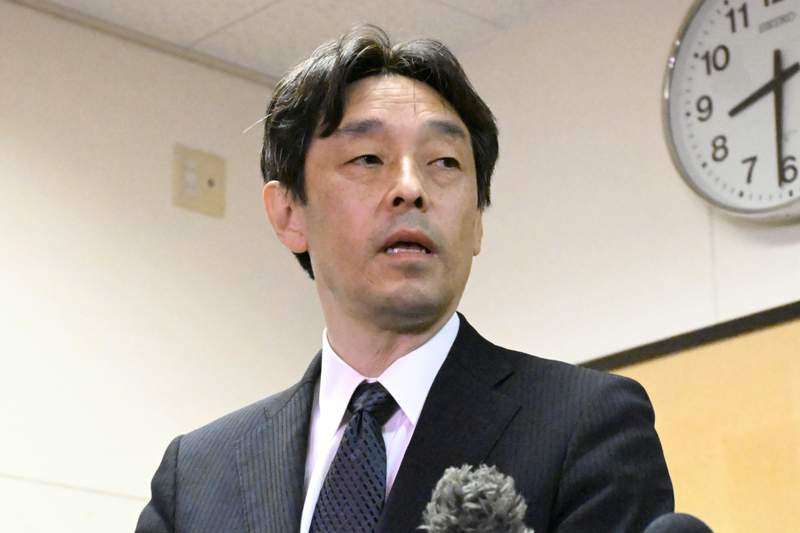
A Niigata-based bus operator said the microbus involved in a fatal crash on the Ban-Etsu Expressway in Koriyama, Fukushima Prefecture, had been rented under the company’s name to meet a budget request from a client high school. At a press conference at the firm’s headquarters in Gosen, Niigata, on the night of the 6th, Kanbara Tetsudo President Kazuhiro Shigeno confirmed that a sales representative arranged the vehicle through a rental car company at the request of Hokuetsu High School in Niigata City. One student from the school died in the accident, authorities have said.
What the company said
According to Shigeno, the sales staff member coordinated the vehicle via an acquaintance and did not have direct personal contact with the eventual driver of the microbus. The company stated it was not aware of the driver’s accident history, if any. Notably, when securing the rental, the sales representative presented their own driver’s license instead of the driver’s license—a practice the company acknowledged has occurred multiple times in past rentals. When asked whether renting a bus without showing the actual driver’s license posed a compliance problem, the executives did not state a clear position.
Background on the company and the route
Kanbara Tetsudo, established in 1922, describes itself as a company centered on route bus and sightseeing bus operations. The Ban-Etsu Expressway, where the crash occurred, is a major artery crossing the mountains between Niigata and Fukushima, with Koriyama serving as a regional hub in central Fukushima Prefecture. School-related charter movements commonly use expressways like Ban-Etsu, reflecting Japan’s efficient intercity road network.
Key questions now facing the industry
The press conference highlights pressing questions about how operators verify drivers and vehicles when using rentals instead of company-owned fleets. Industry guidelines in Japan emphasize safety, documentation, and driver qualification checks; the company’s admission that an employee’s license was used in place of the driver’s will likely draw scrutiny from regulators and industry bodies. While investigations are ongoing, the case brings renewed attention to how cost-saving arrangements can introduce layers of subcontracting or informal referrals that make oversight more complex.
Japan’s broader safety context
Japan’s public transport and charter sectors are known for strong safety norms and prompt corporate accountability. Serious bus crashes are rare by international standards, and when they do occur, operators and authorities typically move quickly to determine causes and reinforce best practices. The rapid press briefing in Niigata is consistent with that culture of transparency. In the wake of this tragedy, stakeholders—from schools and tour organizers to rental firms and bus operators—are likely to revisit checklists covering driver licensing, insurance details, maintenance records, and the precise relationship between the vehicle owner, the operator, and the driver.
Implications for schools, parents, and travelers
For Japanese schools arranging trips, this incident underscores the importance of balancing budgets with due diligence. Parents will expect clear disclosure of who owns the bus, who employs the driver, and how qualifications are verified. Travelers and expatriates in Japan who charter buses for events can take practical steps: ask whether the vehicle is company-owned or rented, request confirmation that the contracted driver’s license and credentials were verified by the operator and the rental firm, and ensure that insurance coverage is explicit and adequate. Japan’s emphasis on safety means such requests are generally welcomed and understood.
What comes next
As authorities piece together the sequence of events on the Ban-Etsu Expressway, the focus will remain on the driver’s qualifications, the rental arrangement, and the operator’s internal controls. Kanbara Tetsudo’s acknowledgment that cost considerations partly drove the decision to rent rather than use other arrangements may prompt a broader industry conversation about procurement standards for school charters. For now, the company’s statements provide early clarity on how the vehicle and driver were sourced, while investigations continue to determine the immediate causes of the crash and any compliance gaps that must be addressed.