Tokyo issues caution amid diplomatic turbulence
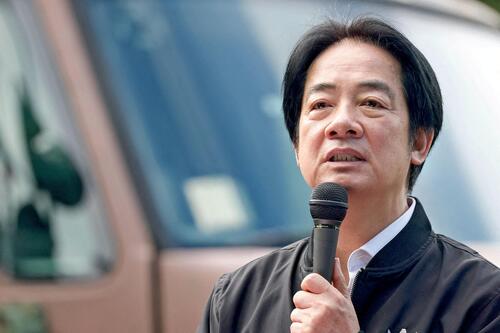
Japan has urged its citizens in China to heighten vigilance and avoid large gatherings, as a diplomatic row intensifies over Prime Minister Sanae Takaichi’s comments on Taiwan. The advisory, highlighted by ANC 24/7 and echoed by Japanese diplomatic missions, underscores a rapidly shifting environment for Japanese nationals living, working, or traveling on the mainland and comes at a moment when simmering geopolitical frictions risk spilling into the public sphere.
What the advisory says
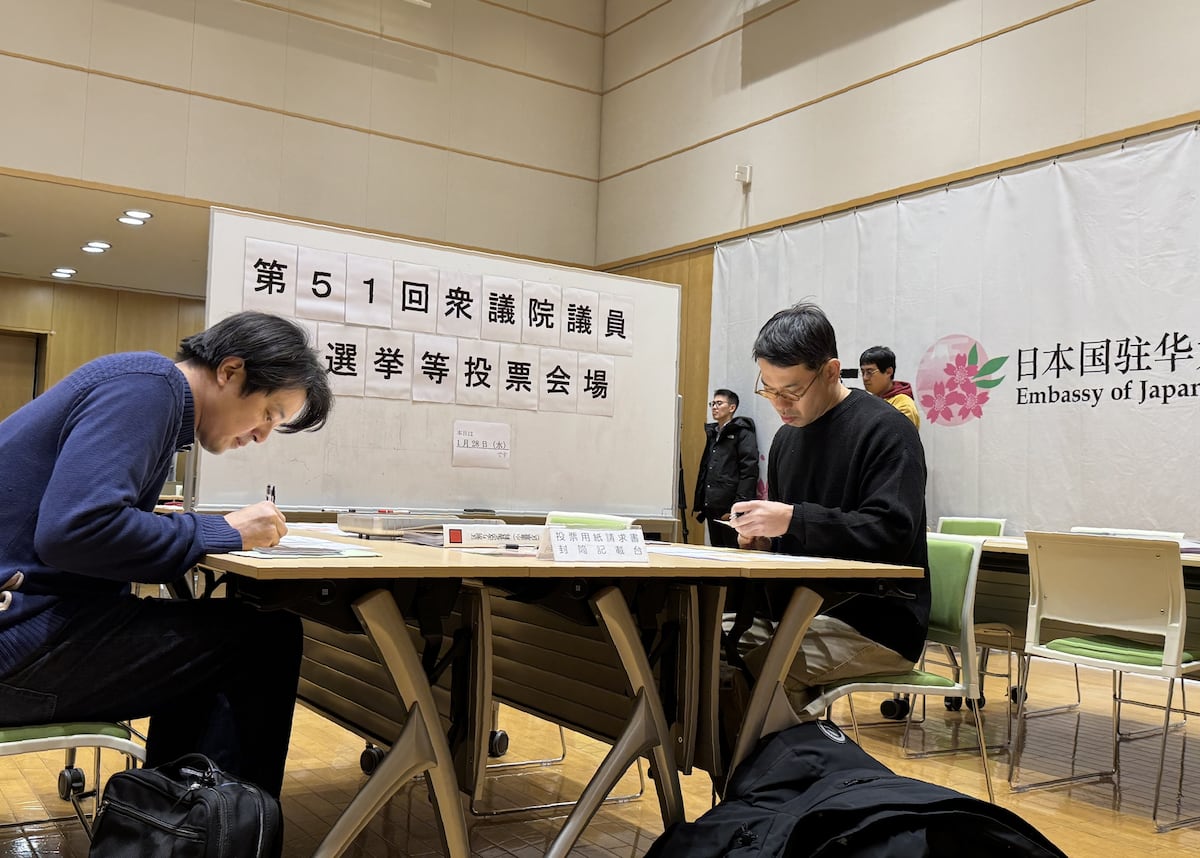
In practical terms, the warning calls on Japanese citizens to remain alert to their surroundings, steer clear of big crowds and demonstrations, and monitor local media and official guidance from the Japanese Embassy in Beijing and consulates across China. Travelers and expatriates are encouraged to keep a low profile, avoid conversations and social media posts that could be interpreted as political, refrain from photographing sensitive sites or security personnel, and carry proper identification at all times. Those in major cities are advised to review the locations of their nearest consulate, keep emergency contact numbers at hand, and consider registering their contact details with Japan’s overseas safety notification systems to ensure they receive timely alerts.
Why remarks about Taiwan are so combustible
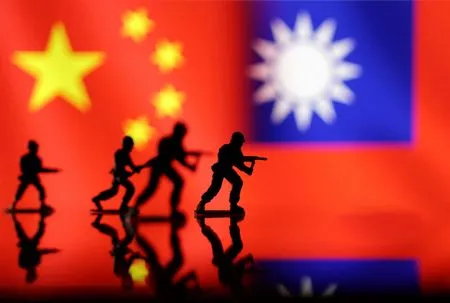
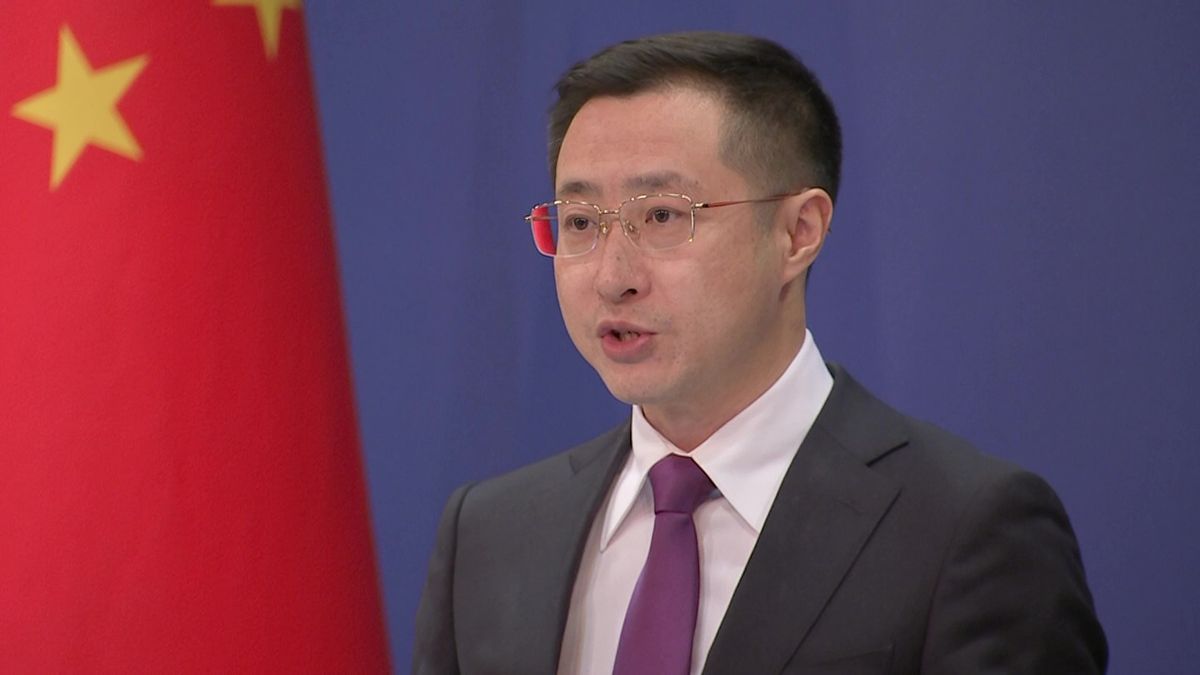
At the heart of the dispute are remarks by Prime Minister Takaichi related to Taiwan, the self-ruled island that Beijing regards as its own territory. Statements by senior Japanese leaders on the Taiwan Strait are closely watched in both capitals, not least because Tokyo has repeatedly described peace and stability in the Strait as essential to Japan’s security and to global trade. Comments perceived in Beijing as infringing on “core interests” often trigger official protests and can fuel nationalist sentiment online, which, in some instances, has translated into street-level displays of anger. While the specific content and phrasing of the latest comments have not been published in full by Tokyo, the blowback has been swift, with state-linked media and social media accounts in China amplifying criticism and calling for vigilance against “foreign interference.”
Historical precedents raise concern
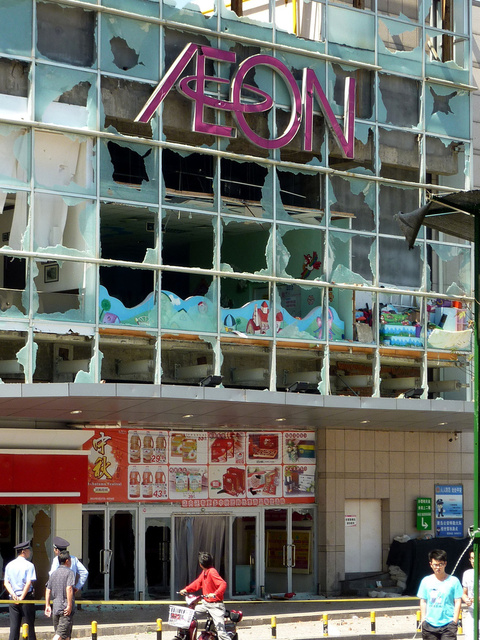
Japan’s warning reflects hard-learned lessons. In 2012, following the flare-up over the Senkaku/Diaoyu Islands, anti-Japan demonstrations erupted across Chinese cities, leading to property damage and sporadic violence that impacted Japanese-branded stores, restaurants, and automakers. The scale and speed of those events underscored how quickly economic and diplomatic tensions can cascade into public protests, particularly when national identity is at stake. Advisories issued at the time emphasized many of the same points Tokyo is reiterating now: avoid protest sites, remain inconspicuous, and be prepared for disruptions to public transport or business operations in areas where rallies may unfold.
China’s domestic climate and the security calculus for foreigners
China’s urban centers are generally safe for foreigners, but issues touching sovereignty, history, and territorial claims trigger a unique level of sensitivity. Online calls for boycotts or demonstrations can sometimes snowball, especially amid algorithm-driven social media cycles. Local authorities tend to move swiftly to regulate gatherings, yet spontaneous crowds can materialize around symbolic landmarks or foreign-branded businesses. Foreign residents, including Japanese nationals, are routinely advised to comply promptly with police instructions, avoid filming confrontations, and leave any area where tensions appear to be mounting. While the advisory is not a call to depart China, it is a reminder that the environment can change quickly and that individual situational awareness is essential.
Implications for business and supply chains
Japanese companies employ tens of thousands of staff across China in sectors ranging from automotive and electronics to retail and logistics. Corporate risk managers are likely to reassess security protocols at offices and storefronts, enhance communication channels with employees, and coordinate with building management and local authorities. Japanese-branded outlets may consider temporarily reducing signage visibility or adjusting operating hours in neighborhoods where protests have previously occurred. Multinational manufacturers could also review transport routes for personnel and high-value shipments to avoid areas of potential unrest. None of these measures signal panic; instead, they reflect standard risk mitigation steps when geopolitical headwinds intensify.
Regional dynamics and alliance context
The advisory lands amid a broader realignment in the Indo-Pacific, where maritime security, technology controls, and supply chain resilience are increasingly intertwined with diplomacy. Japan, a key U.S. ally, has sharpened its language on the Taiwan Strait in recent years while investing in defense modernization and expanding security ties with partners across Southeast Asia and Europe. Beijing, for its part, has consistently framed foreign commentary on Taiwan as meddling in internal affairs. The latest episode highlights how swiftly a single set of remarks can reverberate through bilateral ties, complicating everything from trade missions to cultural exchanges.
What Japanese nationals in China can do now
Practical steps can reduce exposure to risk. Individuals should map out alternative routes home and to the workplace, avoid venues where large gatherings are advertised or likely to form, and maintain a charged phone with key contacts bookmarked, including the nearest embassy or consulate. Keeping photocopies and digital backups of passports and visas is wise. Travelers may wish to adjust itineraries to bypass areas known for demonstrations or nationalist landmarks that can become rallying points in moments of tension. For social media, privacy settings should be tightened, and posts that might be misinterpreted should be avoided. Families should establish check-in routines so that relatives can confirm safety quickly if a situation escalates.
How authorities typically respond
Both Tokyo and Beijing have incentives to keep the situation contained. Japanese diplomats will continue to share safety updates, and Chinese authorities typically discourage unsanctioned gatherings, especially when foreign nationals could be affected. Still, the pace of events can be unpredictable. Crowd dynamics are volatile, and the optics of foreign citizens caught up in a confrontation can rapidly distort online narratives. That is why the current advisory emphasizes not only situational awareness but also the importance of leaving a scene at the first sign of trouble, rather than trying to observe, film, or reason with participants.
Watching the calendar
Public holidays, high-profile court cases, or anniversaries tied to historical grievances can act as flashpoints for protests or online campaigns. Travelers should pay attention to upcoming dates that could heighten emotions, plan outings earlier in the day when possible, and choose venues away from government buildings or well-known protest sites. Employers might stagger working hours to reduce crowd congestion during commutes and share internal updates as authorities issue new guidance.
The bottom line
Japan’s cautionary note is a prudent, preventive step amid a fast-moving diplomatic quarrel. It does not signal a breakdown in ties, nor does it suggest that all Japanese in China face imminent danger. But as past episodes have shown, geopolitics can filter into city streets with little warning. In this environment, the safest course is to keep a low profile, stay informed, and be prepared to adapt plans on short notice. According to ANC 24/7, further details on the advisory and reactions from both capitals are available, with a link to the full story in the comments section.