Decision marks a legal threshold in a case that shocked a school community
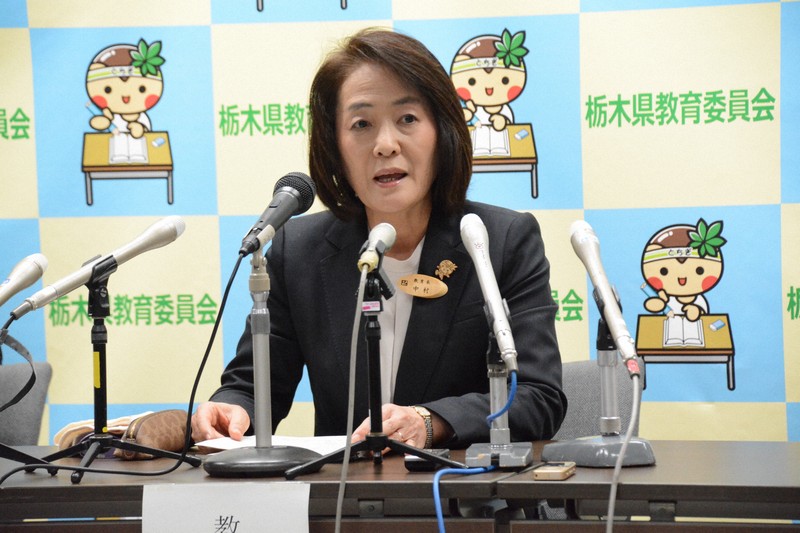
The Tochigi Prefectural Board of Education announced on the 22nd that a widely shared video showing a male student assaulting another male student at a prefectural high school has been formally recognized as a “serious incident” under Japan’s Act for the Promotion of Measures to Prevent Bullying. The designation triggers an elevated response by the school and authorities, including a fuller independent inquiry and enhanced support for the victim. At a press conference, Education Superintendent Chihiro Nakamura said the decision followed school-led interviews with the students involved, which led officials to judge that the violence likely caused significant physical and psychological harm to the victim. Officials stressed that privacy considerations restrict the disclosure of some details, given the involvement of minors.
What the video shows, and how it spread
According to the Board, the video was recorded on December 19 inside a school restroom and began circulating widely online from January 4. The footage depicts one male student striking the face of another, unresisting student twice with his fist and then kicking the back of the victim’s head. Several other students can be seen and heard jeering or egging on the incident. The online spread of the clip drew swift public concern across Tochigi and beyond, with many calling for a thorough investigation and stronger deterrence for violent behavior on campus. School leaders responded by immediately identifying those present, preserving evidence, and reaching out to the students and their guardians.
Why the case meets “serious incident” criteria
Under Japan’s anti-bullying law, enacted in 2013 following national soul-searching over extreme bullying cases, a “serious incident” is one in which a student suffers significant physical injury or mental trauma, is forced into prolonged absence from school, or faces a credible threat to life or safety. The Board’s determination indicates that, based on preliminary fact-finding, the harm in this case is suspected to be grave enough to meet that threshold. This status is not assigned lightly; it is reserved for cases where schools and authorities agree that the consequences and risks demand robust, transparent procedures beyond routine school-level handling.
What the designation requires in practice
The “serious incident” recognition obliges the school to establish or cooperate with a third-party investigation panel that includes external experts, ensure the victim’s safety and well-being with prompt counseling and tailored support, and provide guardians with timely updates. It also guides the school to review supervision practices, identify systemic gaps—such as places on campus where oversight can be strengthened—and take appropriate educational and disciplinary measures toward those responsible, in line with both school policy and national guidelines. If police involvement is deemed appropriate, schools coordinate carefully with law enforcement while centering the needs and privacy of students. Throughout, the Board of Education supervises progress and assists with specialist resources.
When violence meets a smartphone: the social media factor
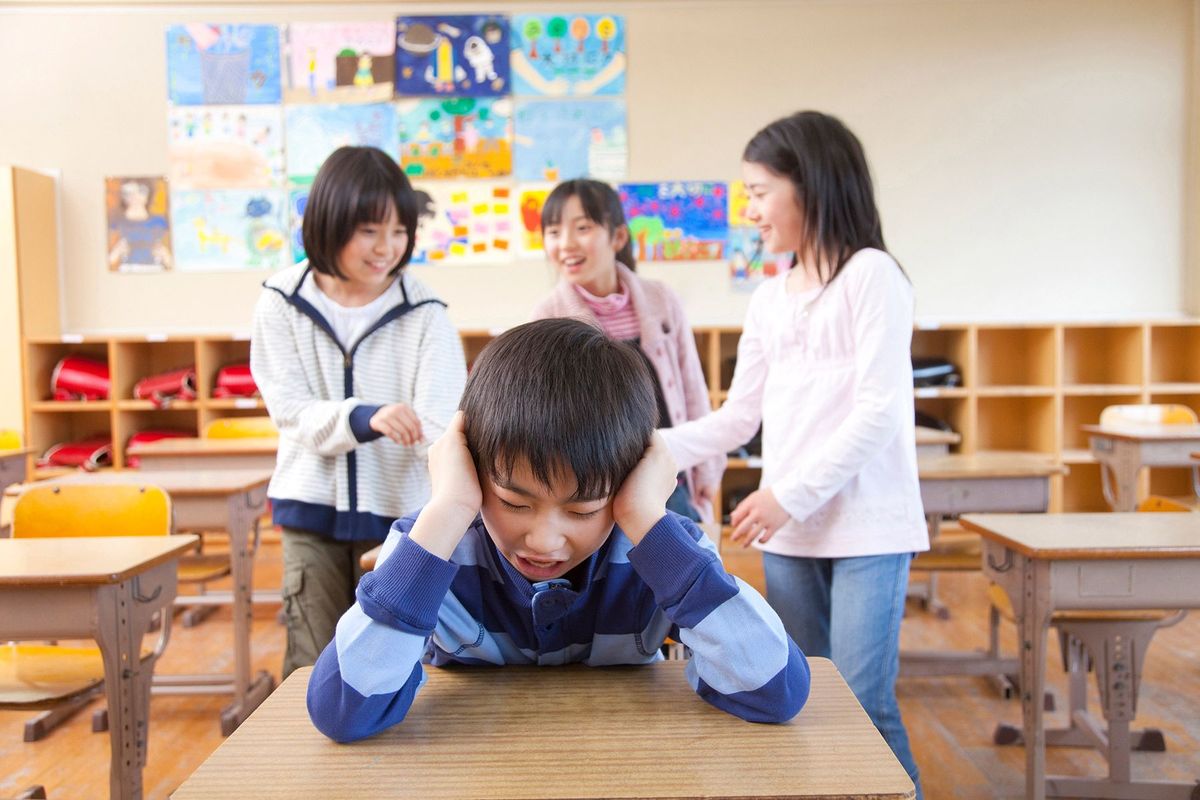
This case again highlights how smartphones can amplify harm by turning a moment of violence into a widely shared spectacle. Japan’s schools have worked to balance the educational benefits of digital tools with the real risks of online humiliation, copycat behavior, and lasting reputational damage for minors. Educators have redoubled digital citizenship lessons, reminding students that filming, cheering, or forwarding abusive content can be as damaging as the initial act—normalizing cruelty and compounding trauma. The Tochigi Board underscored that bystander behavior is a critical part of the problem, and that culture-shaping through peer leadership, clear classroom norms, and swift adult intervention remains essential.
A broader national context
Japan’s anti-bullying framework has evolved significantly over the past decade, combining school-based prevention with legally mandated responses when harm escalates. The Ministry of Education, Culture, Sports, Science and Technology (MEXT) has reported rising numbers of bullying cases identified in recent years—a sign, experts say, of improved detection and reporting as much as of increased incidence. While the overwhelming majority of cases are resolved at the school level, the “serious incident” category ensures that the small fraction with severe consequences receive rigorous scrutiny and care. Nationally, boards of education have increasingly turned to outside specialists—child psychologists, legal experts, and social workers—to ensure investigative independence, protect victims, and support healthy reintegration wherever possible.
Upholding safety while reinforcing trust
The Tochigi Board’s swift move to recognize the legal seriousness of the restroom attack is a clear message that violence is unacceptable and that students’ safety comes first. Consistent with Japan’s broader education culture—known for its emphasis on respect, community, and accountability—the approach aims not only to address wrongdoing but also to rebuild trust within the school. Authorities emphasized that the victim’s recovery and sense of security are priority concerns as counseling and other supports are put in place. At the same time, the process will seek to understand the root causes of the incident, including group dynamics and bystander behavior, so that effective, prevention-focused reforms can follow.
Parents and communities: what to watch for
Experts often advise families to be alert to changes in behavior—loss of appetite, trouble sleeping, reluctance to attend school, or sudden withdrawal from friends—as potential signs of distress. Students, for their part, should be encouraged to speak to trusted adults quickly if they witness or experience harm. Many Japanese schools have anonymous reporting channels and student support rooms, and prefectural hotlines can provide guidance when parents or peers are unsure how to proceed. In Tochigi and beyond, local communities have played an important role in creating a safe environment around schools, from supervising routes to campus to volunteering in after-school programs that strengthen positive peer ties.
Timeline at a glance
- December 19: The video is recorded in a high school restroom, showing a male student striking and kicking another student who does not resist while multiple peers look on and encourage the violence.
- January 4: The clip begins spreading online across social media, prompting public concern and school-level fact-finding.
- January 22: The Tochigi Prefectural Board of Education announces that the case has been designated a “serious incident” under the anti-bullying law, citing suspected significant harm to the victim’s mind and body.
Next steps for Tochigi
The Board will oversee the school’s independent investigation framework, confirm safety measures for the victim, and ensure appropriate educational guidance for those involved. While student identities are protected and certain facts cannot be published, the authorities signaled an intention to provide as much transparency as possible without compromising child protection. In a nation that takes pride in the civility and security of its schools, Tochigi’s response reflects a broader Japanese commitment: confront harm decisively, learn from it, and strengthen the systems that keep young people safe.