Asahikawa discloses more unpaid welfare-related costs and vows tighter controls
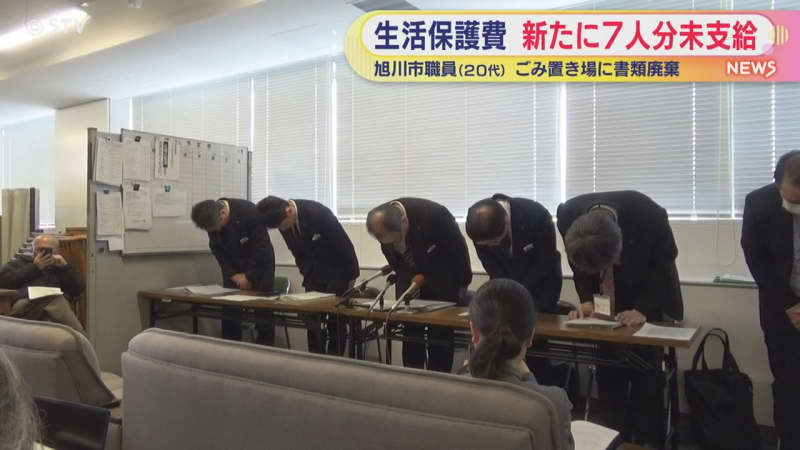
Asahikawa City in Hokkaido has confirmed additional unpaid welfare-related costs after an incident in which a male municipal employee in his 20s discarded unprocessed documents at a garbage site near his home. The city now says a further ¥76,313 in reimbursements—covering taxi fares and medical screening fees for seven individuals—was not paid. This follows last month’s disclosure that three welfare recipients had not received a total of ¥42,912 due to the same mishandled paperwork. In sum, 10 people were affected, with an overall shortfall of ¥119,225.
Official apology and pending disciplinary action
“We will ensure this never happens again. We are deeply sorry,” said Director Kawabe of Asahikawa’s Welfare and Health Department, emphasizing the city’s commitment to robust countermeasures. Asahikawa officials stated they are reviewing the full chain of handling for welfare documents, strengthening internal controls, and considering disciplinary measures against the employee involved. The city also pledged to promptly process all outstanding payments and notify affected individuals.
What Japan’s welfare system covers—and why this matters
Japan’s public assistance program, known as seikatsu hogo, is administered by municipalities under national law and provides support to residents who are struggling to meet basic living needs. Assistance can include living expenses, housing, medical care, and transportation linked to healthcare access—precisely the types of reimbursements implicated in this case. While the amounts involved are modest, the incident underscores a broader governance priority in Japan: protecting personal information and ensuring benefits reach eligible residents swiftly and accurately.
Transparency and culture of accountability
Japan’s public sector is known for quick public apologies and visible corrective measures when errors surface. Asahikawa’s rapid disclosure, formal apology, and stated plan to prevent recurrence reflect that culture of accountability. The city’s next steps are expected to include retraining staff on document handling, instituting more rigorous double-check procedures, tightening disposal protocols, and accelerating the transition to secure digital workflows to reduce the chance of human error.
Data protection and trust in local government
The mishandling of documents has raised concerns about personal information safeguards. Japan’s Personal Information Protection framework sets clear standards for the handling of sensitive data by local governments. Asahikawa has indicated it is reviewing its data management to uphold compliance and public trust. Proactive communication—such as notifying those affected and detailing new controls—will be central to reassuring residents that their information and benefits are secure.
Context for residents and international readers
Asahikawa is Hokkaido’s second-largest city and a regional hub for public services. For residents—including long-term foreign residents who may interact with municipal services—this episode is a reminder to track applications, keep receipts for medical-related transportation, and promptly confirm reimbursements. Eligibility for public assistance varies, but Japan aims to ensure that all residents who qualify receive timely support. As reforms are implemented, the incident could ultimately strengthen service reliability across the city and serve as a reference for municipalities nationwide.
Looking ahead
With total unpaid amounts identified and corrective steps underway, Asahikawa is moving to close gaps and reinforce trust. The city’s clear timeline—initial disclosure last month and a subsequent update detailing additional unpaid costs—suggests a thorough investigation is progressing. If implemented decisively, the city’s improvements could help set a higher standard for benefit administration, data protection, and resident service—hallmarks of Japan’s ongoing push for efficient, transparent local governance.