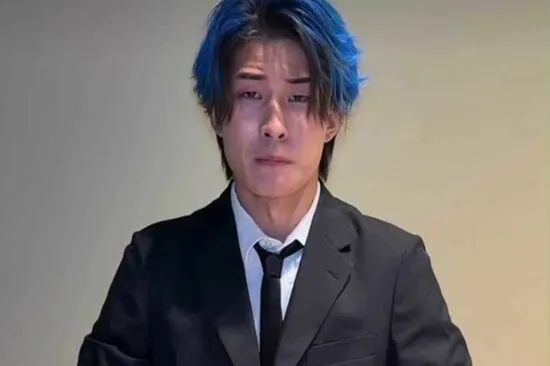
An Indonesian YouTuber with more than 10 million subscribers has deleted a video and issued public apologies after using a photograph of a Japanese murder victim as part of her studio backdrop, triggering a wave of criticism across Indonesia and Japan. The creator, Nessie Judge, posted the episode on November 2, 2025, as part of her long-running horror-themed series, before removing it amid mounting outrage and pledging to overhaul her production process.
The video that sparked the outcry
The episode in question was released under Judge’s “NERROR” franchise, a popular segment she launched eight years ago that explores horror, folklore, and true-crime themes. In the video, a relaxed panel-style conversation unfolds on a sofa setting, with Judge surrounded by several guests, including members of the seven-man K-pop group NCT DREAM. Behind them, photos aligned with the show’s theme were taped to the walls. One of those images — a young woman in a high school uniform with her eyes partially obscured by a black bar — was swiftly identified online as the victim of a notorious Japanese case that came to light in 1989 and has since become a byword for heinous violence in the country.
Viewers condemned the inclusion as insensitive, arguing that using a real victim’s photo as set decoration trivialized profound suffering and risked retraumatizing the victim’s family. Screenshots spread rapidly across social platforms, and criticism escalated as the video gained attention in Japan, where the case is widely known and remains a raw cultural memory.
“Not a Halloween decoration”: Creator denies seasonal stunt
On November 3, Judge posted an English-language explanation on X (formerly Twitter), rebutting claims that the image was a Halloween prop. “This is not a Halloween decoration,” she wrote, describing the backdrop instead as “an homage to [NERROR’s] four segments.” She added that although she had said in the past she would never cover the 1989 case, it had become “the most requested” topic by audiences — and that she ultimately decided “to finally acknowledge her,” invoking the victim with a message of “rest in peace and justice.” Judge emphasized that the panel never discussed the case during the episode itself, framing the photograph as a nod to remembrance and accountability for those responsible.
From defense to mea culpa
After the backlash intensified, Judge shifted from explanation to apology. On November 4, she acknowledged that context collapses online, and that what might be understood internally as a referential homage can look inappropriate when isolated in screenshots. “I apologize for the confusion,” she wrote, promising to be “more careful next time.” She continued: “I truly had no intention of hurting or insulting anyone. I am deeply sorry. Your feedback and corrections are very important to me, and I have learned a lot from this.”
By November 5, as criticism surged on Japanese social media — where comments under her channel included lines such as “Why would you do that?” and “I will never forgive this” — Judge issued a more extensive statement in both English and Japanese. “We listened carefully and fully understood the concerns,” her Japanese post read. “What we did, intended as an homage, has been rightly pointed out as rude and lacking consideration. I sincerely apologize for this severe lapse in judgment.” She said that once her team grasped the full implications of the decision on November 4, they immediately deleted the video and “deeply reflected” on their actions. “We cannot erase this mistake,” she wrote, “but we firmly promise to learn from it and transform our production process going forward.” She closed by apologizing to the victim, the family, viewers, collaborators, and “everyone affected,” adding: “We recognize that the consequences of actions matter far more than intent. Thank you for holding us accountable.”
The case and why it resonates in Japan
The photograph is associated with one of Japan’s most infamous crimes, in which a high school girl was abducted, held for weeks, killed, and her body later encased in concrete. The case shocked the nation when it came to light in 1989, and the comparatively limited sentences for the teenage perpetrators sparked decades of debate about juvenile justice and media ethics. In Japan, the victim’s image is not merely archival material; it is a symbol of public grief and a case study in how sensationalization can compound harm. That context helps explain why even a partially obscured photo — deployed as visual texture in a YouTube set — drew immediate condemnation.
Ethics of true crime in the creator economy
The episode reignites a broader conversation about true-crime content on platforms like YouTube and TikTok. While audiences remain hungry for investigative storytelling, there is growing backlash against the aestheticization of real tragedies: using case ephemera as set dressings, thumbnail bait, or mood boards. Ethicists argue that such presentation can blur the line between remembrance and entertainment, especially when the people most affected — victims’ families — have not consented to the use of images. YouTube’s community guidelines include provisions around sensitive events and harassment, but enforcement often turns on context and intent, both difficult to interpret at scale. For creators, the safe perimeter is narrower than it looks.
Cross-border sensitivities and brand risk
This controversy also illustrates how global fan cultures can amplify reputational risk. NERROR targets a regional audience across Southeast Asia, yet the image referenced a case deeply rooted in Japanese public memory. The presence of K-pop idols on the set — participants with their own vast, transnational fan communities — heightened scrutiny and raised questions about brand safety, editorial vetting, and the responsibilities of collaborators when real-world harm is at stake. Even without explicit discussion of the case, the optics alone were enough to trigger a flood of criticism once screenshots crossed language and platform borders.
“Most requested” is not a mandate
Judge’s claim that the case was the show’s “most requested” underscores a persistent tension for creators: audience demand versus ethical boundaries. Requests can inform editorial calendars, but they cannot replace due diligence on consent, sensitivity, and harm mitigation. Best practices increasingly call for avoiding the use of victims’ personal images without clear purpose and context; consulting with families or advocacy groups when feasible; and foregrounding systemic issues rather than sensational details. Visuals, including set elements, should be treated as editorial choices subject to the same ethical review as scripts and thumbnails.
What happens next
As of this week, the video has been removed, and Judge says she will revise her production process. What those reforms look like — whether a formal set of internal guidelines, external sensitivity readers, or stricter sign-off procedures on visuals — will determine whether the apology translates into durable change. For an audience increasingly skeptical of “content first, consequences later,” the strongest signal may be what disappears from future sets: the impulse to treat real victims’ lives as props.