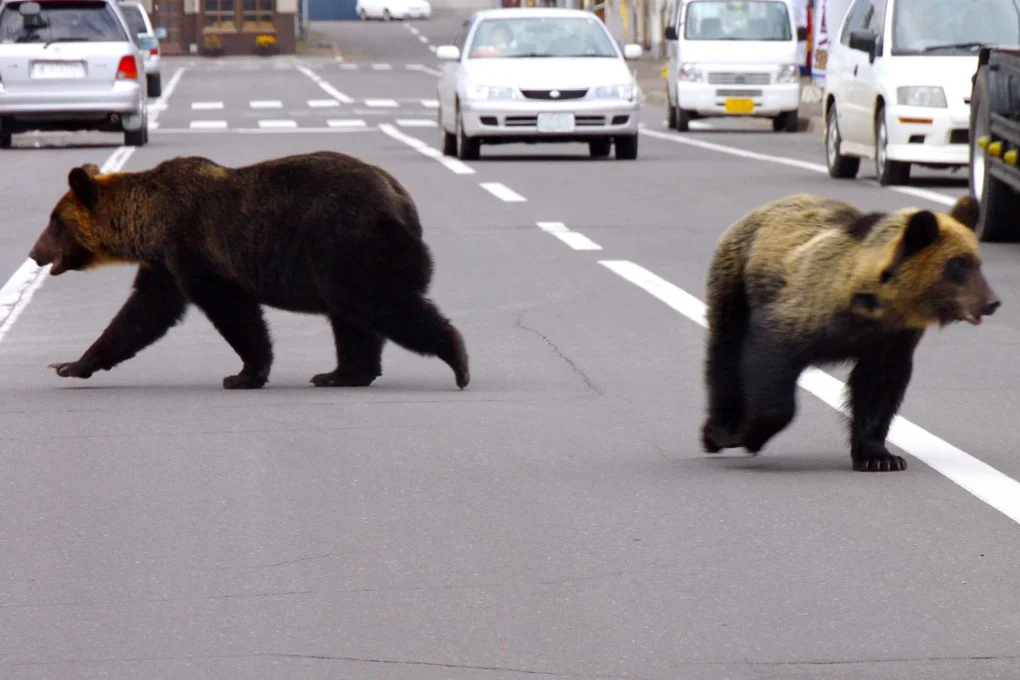
The Ministry of Defense will dispatch a Ground Self-Defense Force unit to Akita Prefecture from Tuesday, November 5, to bolster the local response to a surge in bear incidents that has left dozens injured and four people dead this fiscal year. The move, announced Monday, marks a rare use of troops for wildlife-related support and will be carried out strictly as a logistical operation—no weapons, no lethal control—under a legal framework that allows the Self-Defense Forces to undertake commissioned work for local governments.
What the mission covers—and what it does not
Officials said the GSDF’s 21st Infantry Regiment, based at Akita Garrison in the prefectural capital, will begin work in Kazuno City on Tuesday and can be reassigned after that to other areas at the prefecture’s request. The unit will not engage in capture or culling using firearms. Instead, its tasks will include transporting heavy box traps and other equipment, supporting setup in hard-to-reach terrain, and providing rear-area assistance to local responders. Akita Prefecture and the Defense Ministry are set to sign a cooperation agreement the same day to define roles, responsibilities, and operational scope. The length of the deployment and the number of personnel will be decided in consultation with the prefecture as the situation evolves.
Legal footing: a commissioned transport operation under Article 100
Defense Minister Shinjiro Koizumi told reporters the operation would proceed as a transport service under Article 100 of the Self-Defense Forces Act, a provision that permits the SDF to accept commissions for certain civil works when they align with training requirements. “The SDF’s core mission is national defense, and we cannot carry out bear measures without limits,” Koizumi said. “However, from the standpoint of protecting the lives and livelihoods of the public, and considering the unusual nature of the current situation, we decided to provide transportation support.” The same clause was invoked between fiscal 2010 and 2014 when GSDF units supported Hokkaido’s response to crop damage and traffic hazards caused by Ezo deer. By using Article 100 rather than declaring a disaster-relief operation, the ministry is signaling a tightly bounded mission focused on logistics and training value, not law enforcement or wildlife control.
Why Akita? A surge in dangerous encounters
Bear sightings and encounters have spiked across northern Japan this autumn, with Akita among the hardest hit. As of 5:30 p.m. on Monday, the prefecture had recorded 60 bear-related human casualties this fiscal year, including four fatalities, according to local authorities. The incidents have rattled rural communities, disrupted harvesting and foraging routines, and strained local hunting associations and municipal responders who typically handle trapping and deterrence under Japan’s wildlife management laws. While experts cite a mix of factors—including fluctuating nut and acorn yields, aging rural populations, land-use change, and bears venturing farther for food—the immediate policy challenge has been manpower and mobility: getting heavy traps, fencing, and supplies quickly into affected zones and rotating crews through long, difficult days in the field.
From request to response
Akita Governor Kenta Suzuki formally asked the Defense Ministry for assistance on October 28, following a string of high-profile incidents that intensified public pressure for swift action. Monday’s announcement makes Akita the only prefecture currently slated to receive an SDF wildlife-support detachment; the ministry said it had not received requests from other regions for bear-related deployments. The forthcoming cooperation agreement is expected to clarify command relationships, coordination with police and municipal wildlife officers, and safety protocols for joint operations with licensed hunters, who retain responsibility for lethal control when necessary under national law.
What troops will actually do on the ground
In practical terms, GSDF personnel will help move and position large box traps on forest roads and near settlement perimeters, transport fencing materials and signboards, and ferry equipment and supplies to incident sites where access is difficult for civilian trucks. They may also aid in establishing temporary staging areas, communications links, and perimeter safety for municipal teams, especially in remote or mountainous locales. By backstopping logistics, the SDF can free up local wildlife officers and volunteers to focus on monitoring, trap setting, and community outreach. That emphasis also minimizes the risk of mission creep into culling or patrol duties, which remain the purview of licensed hunters and police.
A careful balance: defense, training, and public safety
The deployment underscores an ongoing debate over how far Japan’s Self-Defense Forces should go in missions outside traditional defense roles. The SDF routinely responds to earthquakes, typhoons, and floods under disaster-relief provisions, a role widely accepted by the public. Wildlife incidents do not fall neatly into that category. By using Article 100, the ministry frames the work as commissioned logistics compatible with training objectives—moving heavy loads in rough terrain, coordinating with civil authorities, and operating in austere conditions—all core military skills. At the same time, the explicit prohibition on firearms and lethal action addresses concerns from civil society groups about militarizing wildlife management and maintains clear legal lines around the use of force.
Risks and safeguards
The presence of troops will not, by itself, reduce bear numbers or end incidents. Safety protocols will be critical: separating logistics zones from trapping sites, ensuring all personnel receive briefings on bear behavior and avoidance, and coordinating closely with hunters and police to prevent miscommunication in the field. The prefecture is expected to publicize movement restrictions and community safety guidance—securing garbage, avoiding solitary foraging in high-risk areas, carrying bells or spray where appropriate—to complement the logistical surge. Animal-welfare advocates, meanwhile, will watch whether improved logistics can support non-lethal measures such as rapid relocation where feasible, though in practice relocation is limited and many bears involved in attacks are typically euthanized after capture under local guidelines.
What happens next
The first phase of activity in Kazuno City will serve as a test of the support model. If successful, similar missions could be requested by other municipalities within Akita, and local governments elsewhere will study whether Article 100 support makes sense for their needs should conditions deteriorate. For now, however, the Defense Ministry stresses that Akita’s situation is exceptional, that no other prefectures have requested bear-related support, and that any future deployments would be assessed case by case. With winter approaching, natural food availability and bear denning behavior may reduce encounters, but authorities caution that risks remain until consistent cold weather sets in. The coming days will show whether added muscle in logistics can help local teams stabilize the situation—and, more broadly, whether Japan can refine a playbook for human-wildlife conflict that preserves public safety without blurring the military’s core mission.