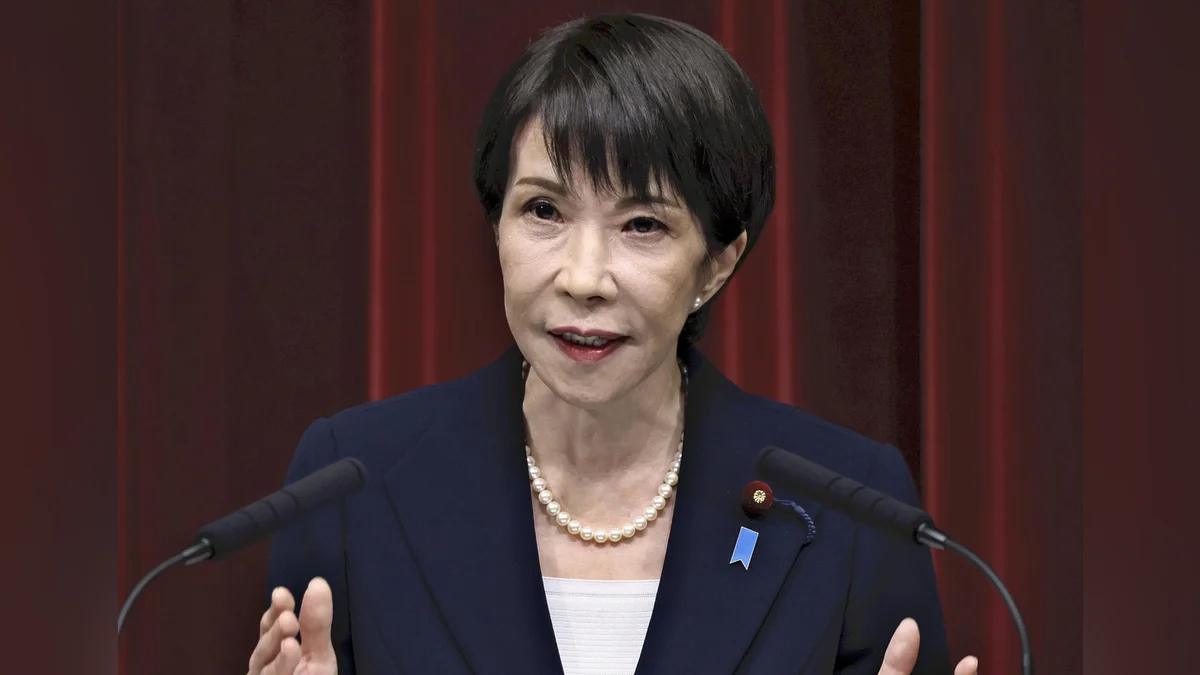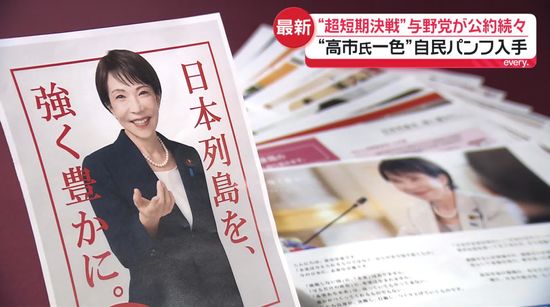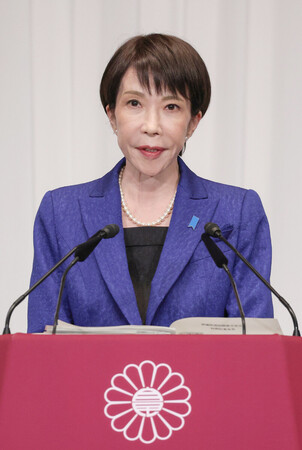
Tokyo—Prime Minister Sanae Takaichi, newly emboldened by a commanding Lower House victory, pledged on Sunday evening to swiftly pursue a two-year suspension of consumption tax on food and to initiate a fresh push for constitutional revision. Speaking at Liberal Democratic Party (LDP) headquarters after her party secured a two-thirds supermajority on its own in the House of Representatives, Takaichi outlined a sweeping agenda touching the economy, social security, national security, and political reform—an ambitious blueprint she said matched the scale of voters’ mandate.
Zero Consumption Tax on Food: Relief First, Details to Follow
At the heart of Takaichi’s post-election platform is a promise to zero out the consumption tax on food for two years—an emergency measure she argued would deliver immediate relief to households squeezed by persistent cost pressures. “We will pour our wisdom into the early realization of a two-year zero consumption tax on food,” she said, echoing a campaign pledge to accelerate consideration of the policy. While Japan already applies a reduced consumption tax rate to food, taking it to zero would mark a significant, complex shift affecting retailers, supply chains, and local governments. Takaichi called on opposition parties to participate in a national council on social security reform to coordinate the effort and map out offsets, saying she aims to present an interim report “by early summer.”
Japan’s consumption tax, a key pillar of the country’s revenue base, funds a substantial share of social security outlays—pensions, healthcare, and long-term care. Temporarily zero-rating food would, by design, narrow that stream. Takaichi’s strategy appears to be two-pronged: deliver targeted consumer relief while convening cross-party talks to fortify the social safety net over the medium term. Officials are expected to grapple with technical issues such as clear definitions of eligible products, administrative costs for small businesses, and the fiscal implications for both national and local budgets. Still, the prime minister framed the move as a decisive, pro-family step aligned with Japan’s broader goal of revitalizing consumption and supporting child-rearing households.
Mandate for Change: A Constitutional Challenge
Bolstered by the LDP’s two-thirds hold on the Lower House, Takaichi declared she would “challenge constitutional revision,” signaling momentum behind a long-discussed effort to clarify Japan’s defense posture and modernize the nation’s foundational law. Any constitutional amendment requires two-thirds approval in both houses of the Diet, followed by a national referendum. The LDP’s new strength in the Lower House provides the numerical foundation to draft proposals and start Diet deliberations, but Takaichi must still navigate coalition dynamics in the Upper House and secure public support. Her comments suggest an intent to build consensus rather than rush, an approach likely to focus on pragmatic updates—ranging from codifying the status of the Self-Defense Forces to enhancing emergency-response provisions—while respecting Japan’s pacifist tradition and the demands of an increasingly complex security environment.
Coalition Arithmetic and a Bigger Tent
Takaichi indicated she expects ministers from the Japan Innovation Party (Nippon Ishin no Kai), a reform-minded partner, to take cabinet roles, cementing a center-right alliance focused on growth, regulatory reform, and public-sector efficiency. She also extended an invitation to the Democratic Party for the People to consider joining the governing coalition. “We ask for cooperation from opposition parties that remain constructive on getting policies done,” she said, adding that if the DPP is willing, “we would very much like to pursue” their entry into government. Should that outreach bear fruit, Takaichi would consolidate a broader parliamentary base to pass fiscal and social reforms—and potentially to shepherd constitutional amendments through the Diet.
Rebuilding Trust After the Factional Money Scandal
Addressing the LDP’s faction-linked slush fund scandal, Takaichi adopted a sober tone. “We do not consider that this election alone won the public’s understanding,” she said, acknowledging that ballot-box success does not erase concerns over political ethics. Even as she pledged to have involved lawmakers “work to their utmost,” the prime minister faces pressure to tighten transparency rules, reframe party governance, and demonstrate that the LDP has moved decisively beyond its factional excesses. The unusually forthright admission signals a pro-reform posture designed to sustain political legitimacy while advancing an ambitious policy agenda.
Security First: Alliance Diplomacy and Regional Stability
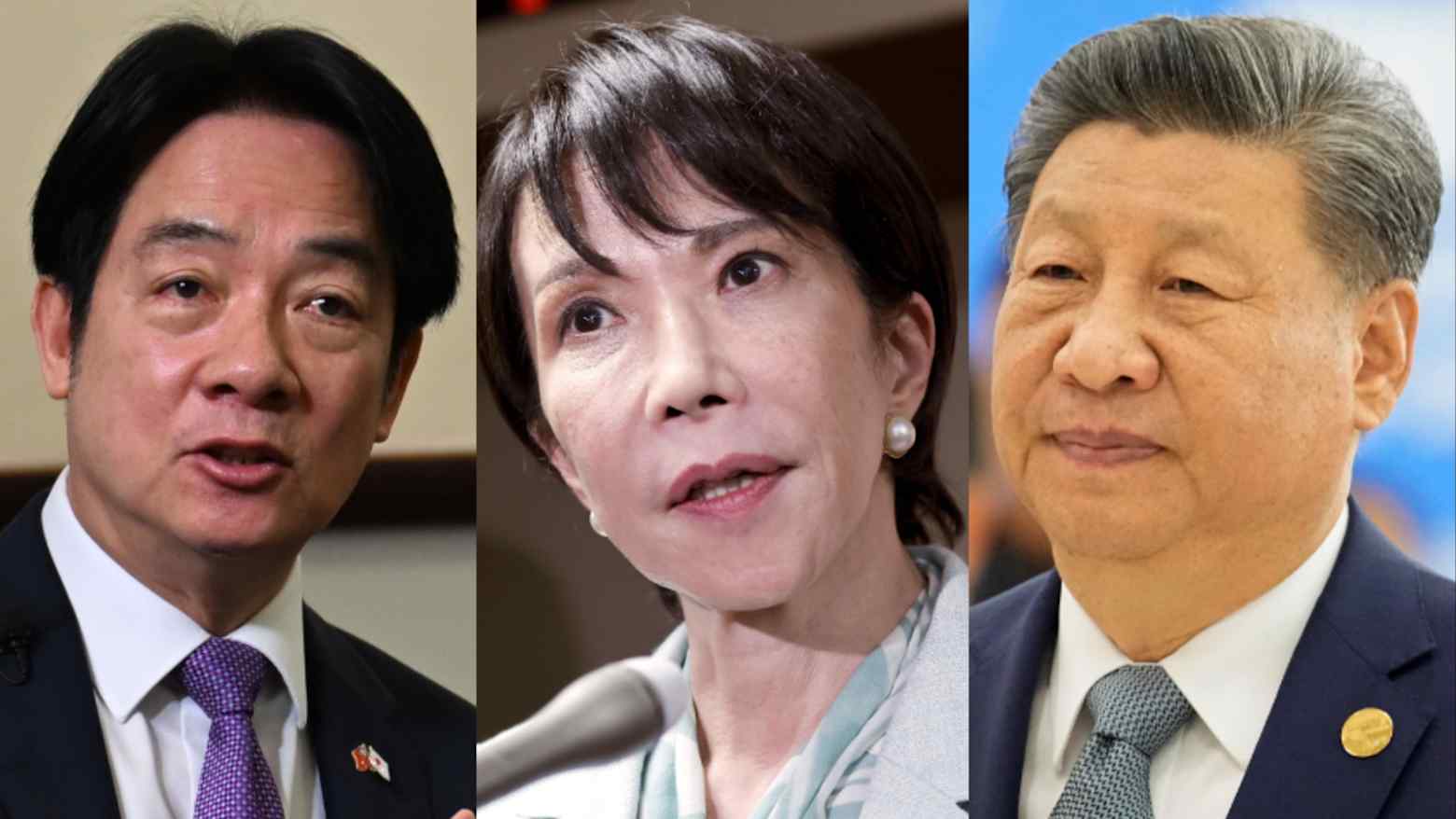
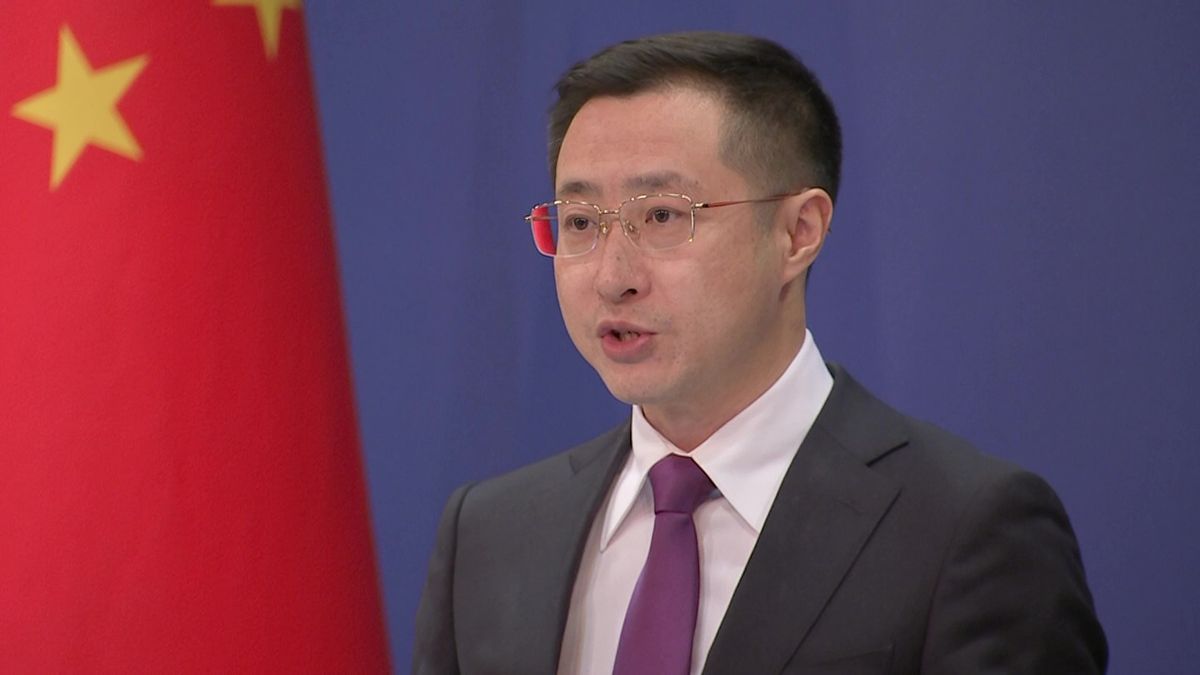
Takaichi confirmed she would travel to the United States in March for talks with President Donald Trump, underscoring the centrality of the U.S.-Japan alliance to Tokyo’s security and economic strategy. The meeting is expected to address an array of issues: extended deterrence, defense industrial cooperation, supply chain resilience, and a coordinated approach to upholding a free and open Indo-Pacific. On China, Takaichi acknowledged that remarks she made regarding Taiwan had weighed on bilateral ties. Still, she emphasized the need to “continue communication and respond calmly and appropriately,” a balancing act that couples unwavering alliance commitments with practical engagement to manage tensions and reduce risk.
Building a Modern Intelligence Framework
The prime minister also announced plans to introduce legislation in the next Diet session to create a National Intelligence Bureau, a step aimed at sharpening Japan’s capacity to fuse strategic analysis, counter foreign interference, and bolster cybersecurity. Japan currently relies on a network of agencies for intelligence collection and assessment; a central bureau could streamline coordination and improve crisis response while enhancing parliamentary oversight and legal accountability. If enacted, the reform would align Japan’s intelligence architecture more closely with those of allied democracies that have consolidated analytical and operational functions to meet rapidly evolving threats.
The Road Ahead: Delivery, Not Just Design
With a rare supermajority and an energized coalition partner, Takaichi now has the political capital to attempt what many predecessors could not: combine immediate cost-of-living relief with long-horizon institutional reform. The zero-tax-on-food plan will be an early test of execution, requiring deft policy design to protect public finances while providing tangible relief at the checkout counter. The social security council’s interim findings—due before summer—will be closely watched for clues on how Tokyo intends to balance benefits with a sustainable funding base in a rapidly aging society. Constitutional debate will likely proceed in stages, calibrated to win support across party lines and among voters. Meanwhile, the planned Washington visit and the proposed National Intelligence Bureau highlight a foreign and security policy that prioritizes deterrence, alliance cohesion, and pragmatic engagement with neighbors. In a single press conference, Takaichi sketched a governing vision both assertive and grounded: ease burdens on families, restore trust in politics, and anchor Japan firmly within a stable, rules-based regional order. The coming months will reveal whether her administration can convert a powerful mandate into durable policy achievements—at home and abroad.
Source: Jiji Press