Osaka’s discount champion rewrites Japan’s value play
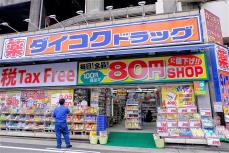
Orange signs, energetic staff calls, and steep discounts—Daikoku Drug, an Osaka-based drugstore chain with roughly 160 locations nationwide, is shaking up Japan’s beloved “100-yen shop” culture by rolling out 80-yen fixed-price aisles inside more than 30 stores (as of January 17). The chain’s group sales for the fiscal year ending August 2025 are around ¥94.2 billion before tax, under a banner that proudly shouts “Energetic! Super Cheap! Big Bargains!” It is an unapologetically value-first retailer—exactly the kind of competitive spirit that keeps Japan’s shopping streets vibrant and visitor-friendly.
What you can buy for 80 yen—then 70 yen on ‘7’ days
Daikoku’s in-store 80-yen sections evolved from its earlier “Ebisu Market” 100-yen corners. On the 7th, 17th, and 27th of each month, prices on 80-yen items drop further to 70 yen (pre-tax). That’s roughly around the 50-cent mark in US dollar terms, depending on exchange rates—an eye-opener even in Japan’s famously competitive discount scene. During a recent visit to the chain’s Meieki store near Nagoya Station, the dedicated area felt as wide as a small 100-yen shop, stocking everyday staples and surprising finds. As of October 2025, examples spotted at 80 yen included: food wrap, a 12-pack of soft sponges, a 100-sheet pack of paper towels, single-use superglue (3-pack), 10-pack of retractable ballpoint pens, assorted smartphone cases and films, USB cables including Type‑C, wallets, refrigerator deodorizers, a mousepad with keyboard shortcuts, alkaline AA/AAA batteries (4-pack), socks, eco bags, moisturizing pocket tissues (6-pack), and travel toothbrush sets with toothpaste. In short, much of what you might expect at a 100-yen shop is now priced even lower—and the “7” days sweeten the deal further.
Why slash prices? A footfall strategy with history
Daikoku has long treated ultra-low pricing as a strategic magnet. In a 2014 Asahi Shimbun report on its then 100-yen corners, the company acknowledged the risk that some items could dip below cost, but framed the move as a chance to get shoppers to add other products to their baskets. The current 80-yen play sharpens that tactic. Concentrated primarily in Kansai, the concept remains relatively rare in Greater Tokyo: only the Shinjuku 5-chome store carries it in the capital, with three additional sites in Kanagawa (as of January 17). Even where the 80-yen range is smaller, Daikoku puts select bargains right at the storefront for maximum impact. At Shinjuku 5-chome, customers receive a gift coupon for every ¥1,000 spent; collect five and you can redeem any one 80-yen item—another nudge to return (campaign status as of January 17).
A distinctive retail culture: loud, lively—and opportunity-rich
Daikoku’s stores are famously energetic. Staff take turns calling out to passersby—often in multiple languages—and even the in-store soundtrack leans boisterous. Behind the scenes, the chain empowers store-level leaders to decide displays, pricing, and sales tactics. That autonomy comes with responsibility and, importantly, attractive pay. In Tokyo, part-time staff earn around ¥1,500 per hour, with late-night shifts near ¥2,000; language bonuses add ¥100–¥300 per hour for English or Chinese service. Pharmacists can see rates around ¥2,500, jumping to roughly ¥3,500 late at night (all figures cited as of January 17). It’s a snapshot of Japan’s service ethos: efficiency plus hospitality, increasingly tailored to global shoppers.
Inbound focus and post-pandemic momentum
After a COVID-era retrenchment in Tokyo, Daikoku is opening again—especially where overseas visitors flow. Tax-free signage is prominent, souvenir sections are generously sized, and the chain even sells a playful “Osaka no Daikoku” cream sandwich cookie that winks at Hokkaido’s famous sweets culture. The company’s appetite for attention-grabbing pricing goes back years; it once staged “cost-price” campaigns that reportedly sparked legal disputes with suppliers, underscoring how far it is willing to push to deliver value.
What it means for shoppers—and for Japan’s retail giants
Japan’s 100-yen shops (with Daiso the best known) are a pillar of daily life for residents, students, and travelers. Daikoku’s 80-yen sections raise the bar again. For expats and budget-minded visitors, it’s a cost-of-living win: everyday tools and travel basics at prices that stretch the yen. If the model spreads from Kansai to more urban centers, even category leaders will need to pay attention. For now, the hunt is part of the fun: when you see that orange sign, step inside—especially on a “7” day.
Note: Availability, pricing, and campaigns vary by store and date; always check in-store signage for the latest details.