Japan’s commitment to road safety came into sharp focus this week after the Ministry of Land, Infrastructure, Transport and Tourism’s (MLIT) Shiga National Highway Office reported that cars fitted with standard (non‑winter) tires became immobilized and triggered temporary traffic standstills on National Route 1 near the Ōsaka Slope in Ōtsu on February 9, 2026. The official alert, posted on the office’s social media account, quickly ignited a storm of online anger, with users castigating the drivers for ignoring repeated winter‑equipment warnings and putting others at risk on a crucial national artery.
What Happened on Route 1
According to MLIT’s Shiga National Highway Office, vehicles lacking appropriate snow gear stalled on a snowy stretch of Route 1 around the Ōsaka Slope—an historic pass connecting Kyoto and Otsu—causing a ripple effect of delays and temporary gridlock. While precise numbers were not disclosed, officials said some cars became unable to move at all. The office underscored the obvious but vital point: attempting to drive snowy roads without winter equipment endangers not only the driver but everyone around them. It is a point Japanese authorities have been making consistently as cold snaps roll across the Kansai region this February.
Warnings Went Unheeded—Two Days Running
What particularly rankled officials and the public alike is that this incident followed closely on the heels of a similar case one day earlier. On February 8, within the same jurisdiction, at least one car wearing only normal tires became stuck, forcing road managers and other drivers to work around an entirely preventable situation. After that disruption, the Shiga office re‑upped its calls for drivers to equip studless winter tires or carry chains when snow is forecast. Even so, the pattern repeated on February 9—an avoidable lapse that exposed a small but consequential slice of driver behavior in winter conditions.
Social Media Backlash: “This Is Beyond Manners”
In a country that prizes caution and consideration on the road, the reaction was swift and sharp. Commenters urged tougher enforcement and personal responsibility. Typical replies included: “Please strengthen fines—we don’t want to get dragged into this,” “This is beyond manners,” “Businesses harmed should be able to seek damages,” “This is ‘senpan’ level”—a harsh, hyperbolic slur in Japanese that equates to “war‑criminal level”—“Just stop driving if you won’t prepare,” and “It’s wrong that people who take proper measures are the ones who suffer.” The language was heated, reflecting deep frustration that a minority of ill‑prepared motorists can derail traffic for thousands, and potentially delay time‑critical services.
Why Winter Equipment Matters in Japan
Japan’s road network is engineered and maintained to high standards, but even the best systems depend on driver preparedness. Studless winter tires—commonly called “snow tires” in Japan—use specialized rubber compounds and tread to grip cold, slick surfaces. Chains add bite on steep or heavily packed sections. In snowy conditions, these are not optional niceties; they are essential safety tools. Authorities across snow‑prone prefectures, including in the Kinki region, routinely push out reminders well before storms arrive. MLIT and prefectural police can also implement traffic controls or chain requirements on designated segments to keep traffic flowing and prevent pileups. Violations can bring penalties and administrative sanctions, and police may order unprepared vehicles to stop or turn back. The expectation is clear: when winter weather looms, motorists must equip appropriately or refrain from travel.
Japan’s Safety Culture—and the Cost of Complacency
Japan’s road‑safety record is built on a culture of mutual responsibility, backed by diligent public works teams who labor around the clock to clear snow and maintain lifelines. Yet the costs of complacency are real. A single stuck car on a grade like the Ōsaka Slope can trap delivery trucks, keep commuters from work, and, most critically, impede ambulances and emergency crews. The economic ripple effects—from missed appointments to supply‑chain hiccups—pile up quickly, and they are borne by the many, not the few. These are precisely the “meiwaku”—public nuisance—scenarios that Japanese road managers strive to prevent through upfront warnings and rapid updates on official information channels.
Route 1’s National Importance
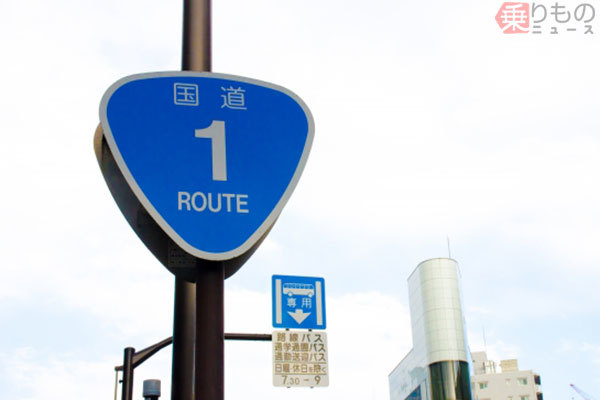
National Route 1 is one of Japan’s most important corridors, linking Tokyo with Nagoya, Kyoto, and Osaka, and threading through Shiga along the eastern shore of Lake Biwa. The Ōsaka Slope near Otsu is a historic and strategic gateway between the Kansai capital region and Shiga’s administrative center. Even moderate snowfall here, especially when preceded by a sharp temperature drop, can turn untreated or unequipped tires into sleds. That is why local offices, including Shiga’s, amplify forecasts, share live updates, and urge drivers to switch to winter setups well ahead of time.
Context: February’s Cold Spells
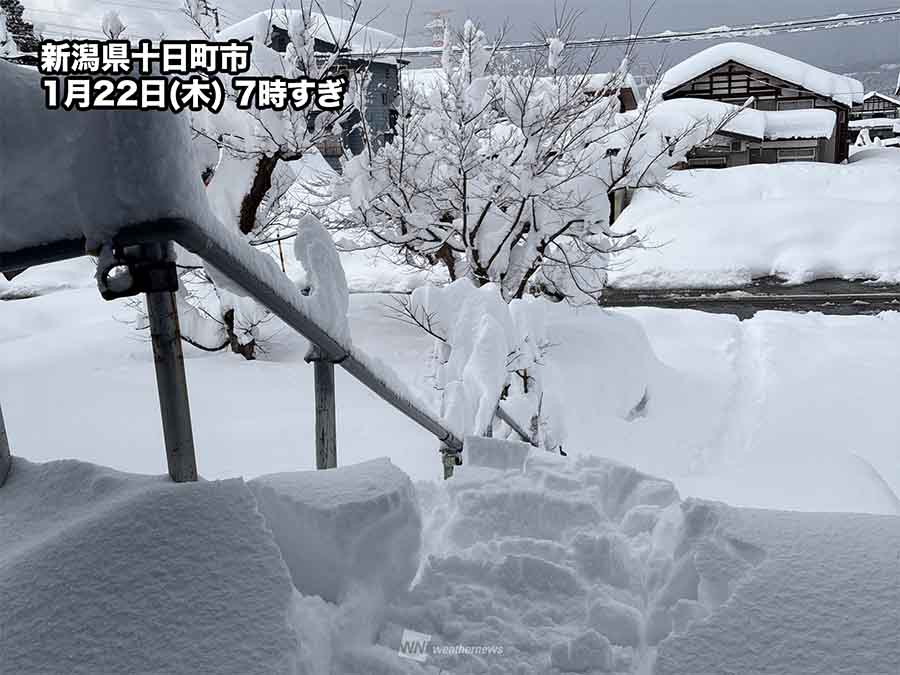
This month’s cold spells, flagged by Japan Meteorological Agency outlooks, have brought intermittent snow to low‑elevation areas around Lake Biwa and the Kyoto‑Shiga boundary. While northern Shiga routinely sees heavier accumulations, the Ōtsu side can also receive bursts of snow when conditions align. In such windows, the mismatch between standard tires and slick slopes becomes especially dangerous. Authorities say the goal is not to discourage necessary travel, but to ensure that travel proceeds with proper preparation so that one person’s shortcut does not become everyone’s standstill.
What Drivers Should Do Now
Officials and safety experts offer clear guidance for winter driving in and around Shiga: equip studless winter tires during the season; carry snow chains and know how to fit them; check MLIT and prefectural police advisories, live cameras, and traffic maps before departure; allow extra time or defer nonessential trips; and leave space on the road for snowplows and emergency vehicles. Commercial fleet operators should ensure dispatch protocols verify tire status and route conditions, and drivers should be empowered to decline a run if equipment is inadequate for the forecast.
Proactive Public Service—and Shared Responsibility
It is not an accident that most Japanese highways stay open through winter weather. It is the product of relentless work by road crews, transparent communication from MLIT and local offices, and a public that overwhelmingly takes preparation seriously. When a minority cuts corners, the results can be outsized and unfair. The Shiga National Highway Office’s swift alerts—and the public’s emphatic response—underscore a shared principle: in winter, safety is not a suggestion. As the cold season continues, the message from authorities could not be plainer: equip for snow, or don’t drive. That is how Japan keeps its roads safe, its economy moving, and its communities protected—together.