Sapporo, Hokkaido — A man who received a suspended prison sentence over a notorious wheel-separation accident in Sapporo has been arrested on suspicion of driving without a license, reigniting national debate over leniency, deterrence, and the balance of rehabilitation within Japan’s justice system. The father of the victim, a girl who remains unconscious years after being struck, condemned the situation, questioning whether the original sentence was too soft and expressing disbelief that the man would drive again after vowing in court never to do so.
Arrest While on Probation
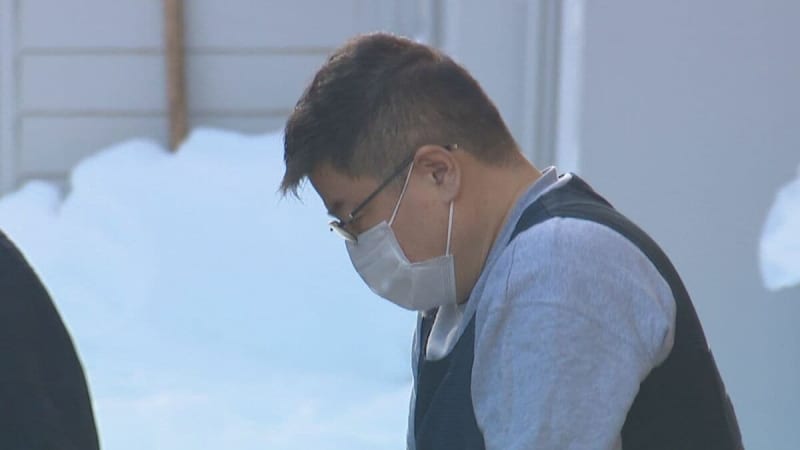
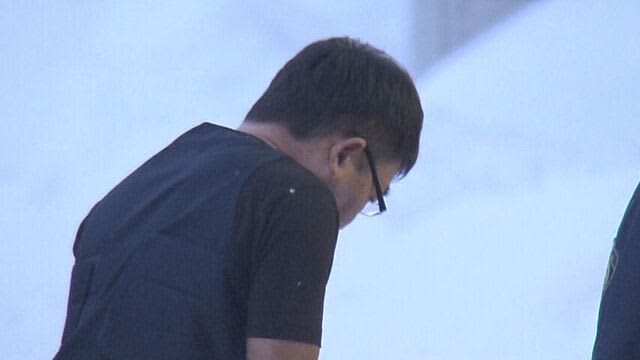
Hokkaido police arrested and referred to prosecutors a man identified as Wakamoto Toyotsugu, a self-described heavy machinery operator from Sapporo’s Nishi Ward, on suspicion of driving a light truck without a valid license between November and December last year in parts of Sapporo and neighboring Otaru. According to investigators, Wakamoto has admitted to the allegations, reportedly telling police he drove “for work.” Under Japanese law, operating a vehicle without a license is a criminal offense that typically triggers strong prosecutorial action, particularly when alleged during a probationary period tied to a prior serious traffic crime.
A Lenient Sentence Under Scrutiny
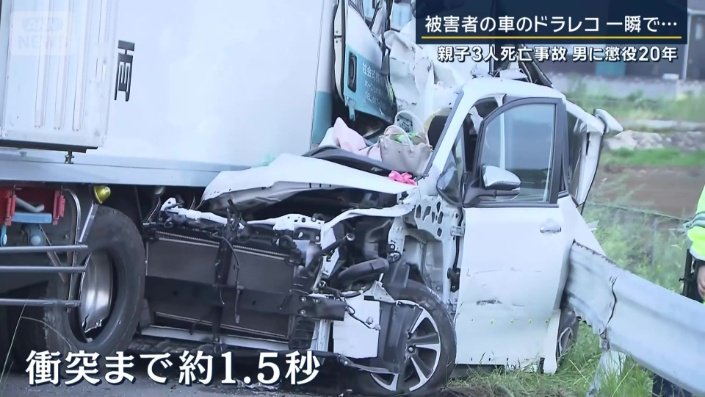
In 2023, Wakamoto received a three-year prison term, suspended for five years, in connection with a devastating incident in Sapporo’s Nishi Ward in which a tire detached from an illegally modified vehicle and struck a four-year-old girl. The accident itself occurred three years ago and shocked the community, joining a string of high-profile cases that elevated public concern over unsafe vehicle alterations and maintenance standards. In court, Wakamoto had stated he would not drive again, a pledge that featured prominently in the judge’s consideration of rehabilitation prospects. News of his new arrest now places that earlier judgment under the microscope.
“I Can’t Understand It”: A Father’s Anguish and Public Outrage
In a statement following the arrest, the girl’s father said he could not fathom how the defendant could choose to drive again, especially while on a suspended sentence and after promising to refrain from driving. He added that the decision to suspend the sentence “may have been too lenient.” His words echo a broader sense of frustration felt by many citizens who value Japan’s strong culture of road safety and collective responsibility. The gravity of the family’s loss remains profound: the girl, now older but still living with the consequences of that day, has not regained consciousness.
Probation in Japan: What It Means and What Comes Next
Suspended sentences, or shikkō yūyo, are a significant part of Japan’s judicial approach, designed to foster rehabilitation by keeping offenders in the community under strict conditions, while the original prison term hangs in the balance. If an individual commits another offense during the suspension period, prosecutors can petition the court to revoke the suspension—resulting in the original prison term being enforced—on top of any sentence for the new crime. In this case, prosecutors will review the police evidence and the suspect’s admissions, and the court will weigh the seriousness of the alleged violation, the timing relative to his probation, and his prior commitment never to drive again. Legal observers expect careful scrutiny, mindful of both the need for deterrence and the principle that the justice system should be consistent and fair to all parties, including victims and their families.
Illegal Modifications and Road Safety: Japan’s Zero-Tolerance Expectations
Japan’s road safety culture is often held up as a model: rigorous vehicle inspections, high compliance standards, and widespread public awareness have contributed to decades of improvements in traffic safety. Within this framework, illegal vehicle modifications are treated seriously—not as mere stylistic choices but as potential threats to the community. The wheel-separation case that injured the young girl underscored the dangers of circumventing regulations, whether by altering parts outside of legal specifications or neglecting maintenance duties. Enforcement agencies in Hokkaido and nationwide have stepped up monitoring to ensure that road users comply with the law, and that vehicles on public roads meet the nation’s stringent safety standards. The alleged unlicensed driving in this case runs counter to those expectations and inevitably intensifies calls for firm, transparent measures that reaffirm Japan’s commitment to public safety.
The Human Toll: A Child Still Fighting
Behind the legal arguments lies a family enduring an unthinkable ordeal. The girl struck by the detached tire remains unconscious, a stark reminder of how quickly and permanently reckless or unlawful decisions can inflict harm. The family’s statement reflects a plea shared by many in Japan: that the justice system not only hold individuals accountable but also serve as a clear deterrent to prevent similar tragedies. Civil society groups and local communities have consistently advocated for safety-first measures—from responsible maintenance to honoring license rules—to protect the most vulnerable on and around the roads.
Due Process, Accountability, and a Pro-Safety Path Forward
As the case proceeds, Japan’s institutions are poised to respond in line with the rule of law: police investigate, prosecutors assess, and courts decide. This calibrated process is a strength of the Japanese system. It provides due process for the accused while retaining the authority to enforce suspended terms when conditions are violated. Should prosecutors seek revocation of Wakamoto’s suspended sentence, the court will evaluate whether the alleged unlicensed driving undermines the trust placed in him at sentencing. Regardless of the outcome, the episode underscores the importance of firm enforcement against illegal modifications and unlicensed driving and of continuing public education around safety obligations. Japan’s social compact on road safety—anchored in compliance, mutual respect, and accountability—remains vital.
Why This Case Resonates
This story resonates deeply because it tests the balance that Japan strives to maintain: compassion and rehabilitation on one side, and clear, consistent deterrence on the other. The father’s call is not merely for punishment, but for a reaffirmation of common-sense rules that protect communities—especially children. In a country where most drivers uphold high standards and where authorities have long pursued data-driven, meticulous safety improvements, cases like this are reminders that the system must be both humane and unflinching. As Hokkaido authorities move forward, the public will be watching for a response that honors the victim, supports her family, and strengthens the safety culture that defines Japan’s roads.