A catastrophic chain-reaction crash in heavy snow
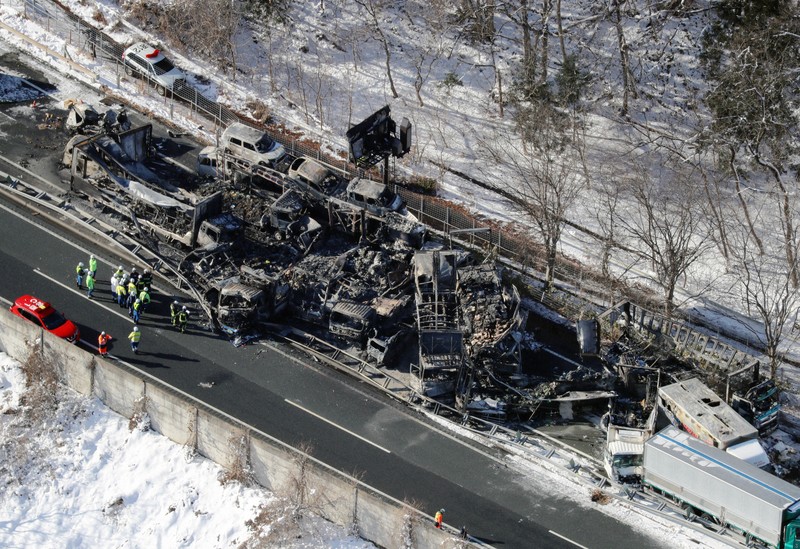
Two people were killed and 26 others injured when at least 67 vehicles were involved in a massive pileup on the southbound lanes of the Kan-Etsu Expressway in Minakami, Gunma Prefecture, on the evening of the 26th. Police and fire officials said five people suffered serious injuries, while 21 sustained minor injuries. The collision, which unfolded amid snowfall and suspected icy conditions, sparked fires that engulfed 20 vehicles before crews could contain the blaze after roughly seven and a half hours.
How the crash unfolded
The multi-vehicle collision occurred around 7:30 p.m. near the Minakami Interchange, on a two-lane stretch in each direction. According to preliminary findings, a truck apparently slipped—likely due to surface ice—and came to rest sideways across the roadway, effectively blocking lanes. A following large truck then crashed into the stricken vehicle. Passenger cars and other trucks approaching the scene were unable to stop or steer clear in time, triggering a chain-reaction collision over an estimated 300 meters. The central median barrier was visibly deformed by the force of the impacts, and numerous vehicles were left crumpled or charred.
Victims and identification efforts
Authorities identified one of the deceased as Miyuki Wakita, 77, of Chofu, Tokyo. She was riding in the back seat of a family-driven car at the time of the crash. The other victim was found in the cab of a heavy goods vehicle; police said they are working to confirm the person’s identity and sex. Officials have not yet released further details about the seriously injured, citing ongoing notifications and investigations.
A fire fought through the night
The collision ignited multiple vehicles, and fire quickly spread amid the wreckage. According to responders, 20 vehicles were burned. Firefighters battled the flames deep into the night, navigating poor visibility, slick pavement, and the risk of reignition from fuel and debris. The combination of mangled vehicles, hazardous conditions, and continuous snowfall complicated rescue and suppression efforts, contributing to the prolonged response.
Snow, ice, and restricted speeds
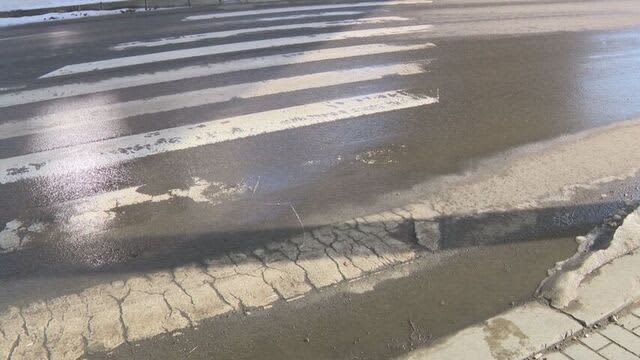
At the time of the crash, snowfall had prompted a speed restriction of 50 kilometers per hour on the expressway. Gunma Prefectural Police said they are investigating whether road surface icing and loss of traction triggered the initial slip, and whether drivers were able to respond to rapidly deteriorating conditions. In winter, black ice—thin, transparent ice that is difficult to detect—can form quickly when temperatures drop, especially in mountain corridors such as northern Gunma. Even with reduced speed limits in effect, braking distances lengthen dramatically on slick surfaces, and multi-vehicle collisions can escalate quickly when visibility and traction simultaneously degrade.
A crucial corridor crippled
The Kan-Etsu Expressway is a vital arterial route connecting the Tokyo metropolitan region with central and northern areas, including Niigata Prefecture. The corridor carries heavy freight traffic year-round and sees seasonal surges of passenger vehicles headed for winter sports destinations around Minakami and Yuzawa. The crash occurred just as snow activity intensified across the interior, underscoring the vulnerability of long-haul routes that traverse mountain passes and river valleys where sudden squalls and freezing road temperatures are common.
Widespread closures and uncertain reopening
As a result of the pileup, both directions of the Kan-Etsu were closed between the Tsukiyono Interchange and the Yuzawa Interchange. East Nippon Expressway Company’s Niigata Branch (NEXCO East) said on the 27th that there is no estimate for when the closure will be lifted, warning that full restoration is likely to take a considerable amount of time. Clearing dozens of damaged vehicles, conducting on-site accident reconstruction, inspecting and repairing the central divider, and assessing heat and structural damage to the roadway can significantly extend closure times after a major fire and pileup.
Investigators probe causes and sequence
Police are working to map the sequence of impacts and to determine the contributing factors, including vehicle speed, following distances, tire conditions, and the effectiveness of driver responses as the situation unfolded. The condition of the road surface, the presence of de-icing agents, and the timing of snow intensity changes will also be examined. The scale of the incident—spanning hundreds of meters and involving scores of vehicles—means investigators will rely on a combination of dashcam footage, witness statements, and physical evidence from the scene to reconstruct the moment when the first truck lost control and how quickly the pileup magnified.
Winter driving risks in focus
Japan’s expressway network employs variable speed limits, roadside warnings, and chain controls during severe weather. Nonetheless, sudden snow bursts and patchy ice can create highly uneven driving conditions: one section may appear wet while the next is glazed with near-invisible ice. Authorities regularly advise motorists to fit winter tires or chains, increase following distances, and avoid sudden braking or lane changes on snowy or icy roads. Heavy vehicles, with longer stopping distances and higher momentum, face particular challenges when traction drops unexpectedly. In the wake of this crash, road safety experts are likely to revisit the balance between traffic flow and precautionary closures, as well as the placement of advance warnings in mountain corridors where curves and elevation changes limit sightlines.
Community impact and next steps
For Minakami and surrounding areas, the disruption reaches beyond traffic. Deliveries, commuter travel, and tourism are all affected when a main artery is shut, especially during winter weekends when movement intensifies. Local emergency services were stretched by the scale of the response, coordinating multiple ambulances, fire units, and towing services in low-visibility conditions. As crews continue clearing the site, NEXCO East and police urge motorists to check the latest closure information, use alternate routes where available, and prepare for delays.
What drivers should know now
With the reopening timeline uncertain, motorists planning to travel between northern Gunma and Niigata should monitor official advisories and consider postponing non-essential trips. If travel is unavoidable, authorities recommend ensuring vehicles are equipped with winter tires or chains, maintaining lower speeds than posted when conditions are uncertain, and leaving ample space from vehicles ahead. Even under speed restrictions, preventing secondary collisions depends on foresight—anticipating hidden ice, gentle braking, and steady steering. As investigators work to piece together the events of the night, the scene on the Kan-Etsu is a stark reminder that winter weather can transform familiar highways into hazardous corridors within minutes.