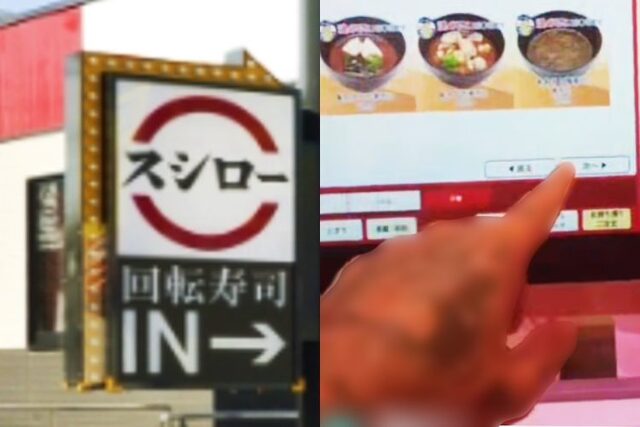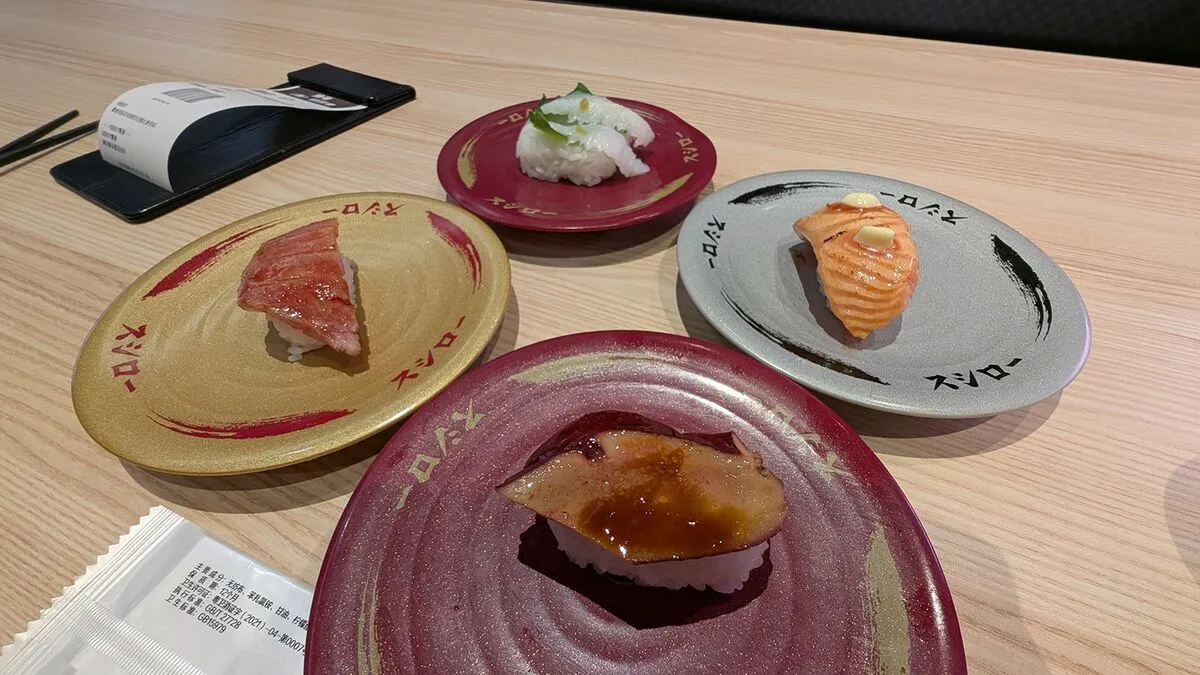
The phenomenon of customer terrorismdeliberate acts of vandalism and contamination in restaurants continues to plague the Japanese food service industry with alarming regularity. Despite high-profile cases, arrests, and even multi-million-dollar lawsuits, a seemingly endless stream of individuals, often young, engage in these destructive acts, film them, and proudly post the evidence online. The recent incident at a Kura Sushi location, where a customer was filmed touching sushi and licking soy sauce bottles, is just the latest in a decade-long series of outrages that began with the baka-tter (foolish Twitter) posts of the early 2010s.
Why does this persist? And what can businesses, pushed to the brink of their operational and financial limits, possibly do to stop it?
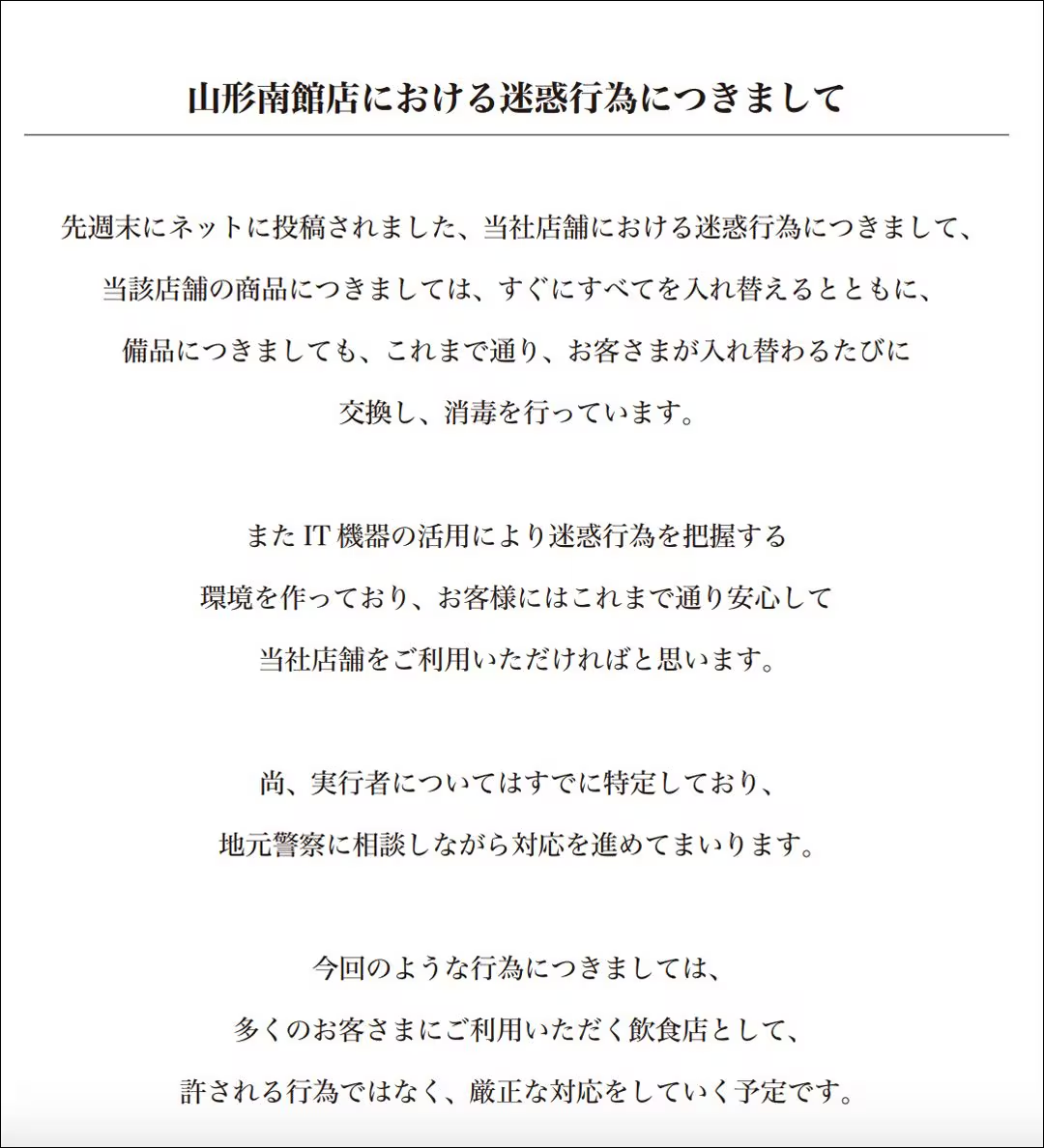
The Allure of the Revolving Conveyor Belt: Why Sushi Chains Are Prime Targets
Conveyor belt sushi restaurants are uniquely vulnerable to this brand of attack. Their layout, designed for efficiency and customer access, creates numerous blind spots where mischievous or malicious acts can be committed away from the direct line of sight of staff. The affordable, self-service nature of the experience means customers interact directly with food and condiments without constant supervision. This combination of accessibility, privacy, and the high-engagement shareability of the resulting video makes them a perfect storm for would-be internet clout chasers.
The Staggering Financial Fallout: It's Not Just About Lost Appetites
The immediate impact of a viral sushi terror video is a sharp drop in customer traffic, as public trust evaporates. However, the financial damage runs much deeper. Following the now-infamous soy sauce direct drink incident at Sushiro, its parent company, FOOD & LIFE COMPANIES, saw its stock price plummet. Reports indicated a single-day loss in market capitalization exceeding 16 billion yen ($160 million). This demonstrates that the threat is not merely to a single store's daily revenue but to the very valuation of publicly traded chains, inviting short-selling and eroding shareholder confidence.

The Limits of Technological Fortresses: AI and Investment Can't Solve Everything
In response, major chains have invested heavily in countermeasures. Kura Sushi has deployed AI-powered camera systems to monitor the conveyor belts for suspicious activity. Others have implemented remote monitoring and enhanced sanitation protocols. These are commendable and necessary steps, but as the recent Kura Sushi incident proves, they are not foolproof. Determined individuals can find ways to circumvent technology. Furthermore, for small, independent restaurants, such high-tech solutions are financially out of reach, leaving them completely exposed.
The Legal and PR Tightrope: To Sue or Not to Sue?
Companies face a difficult dilemma in their response. The public overwhelmingly supported Sushiro's initial decision to sue the offending high school student for 67 million yen in damages. This strong stance was praised as a necessary deterrent. However, the subsequent news that the company later reached a settlement and effectively dropped the massive claim was met with public disillusionment. Many perceived this as backing down, a return to the old industry habit of handling things quietly to avoid further trouble.
This highlights a critical conflict in crisis management for the service industry. The traditional ethos of the customer is always right and a deep-seated aversion to public conflict can clash violently with the modern need for a strong, uncompromising response to criminal behavior.
A New Strategy: Radical Transparency as a Deterrent
Perhaps the most potent weapon left in the arsenal is not a higher-resolution camera or a larger lawsuit, but a strategy of radical, compliant transparency. Instead of settling quietly and sealing the records, companies could commit to publicly documenting their fight against these crimes. This would involve, within the bounds of privacy laws and legal advice, regularly issuing detailed press releases on the status of lawsuits, the costs incurred, and the steps being taken to hold perpetrators accountable.
This transforms the narrative. It shifts the company's role from a passive victim to an active defender of its brand, its employees, and its loyal customers. It makes the consequences for the perpetrator visible and tangible, serving as a powerful warning to others. By showcasing their resolve, companies can regain public sympathy and trust, demonstrating that they are on the side of the real customers who just want to enjoy a meal in peace.
Protecting the True Customer Experience
The ultimate goal is not just to punish past offenses but to create an environment where these offenses cannot thrive. This requires a multi-pronged approach: continued technological investment where feasible, unwavering legal pursuit of damages to establish precedent, and a bold, transparent communication strategy that turns the spotlight on the companies' efforts to uphold safety and quality. The war on restaurant vandalism is a battle for the very soul of the dining-out experience. It's time for the industry to fight back not just with disinfectant and lawyers, but with the full force of public accountability and strategic information.