Six U.S. Airmen Confirmed Dead in Iraq Tanker Crash
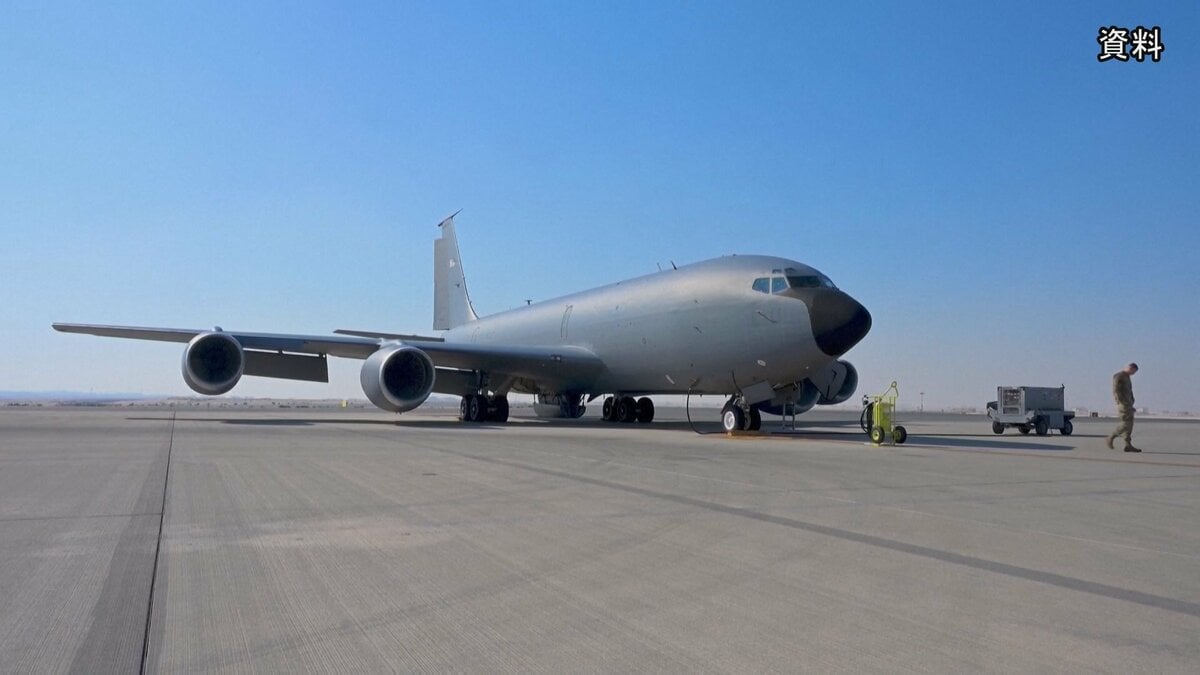
The United States Central Command (CENTCOM) has confirmed that all six crew members aboard a U.S. Air Force KC-135 aerial refueling aircraft were killed when the tanker crashed in western Iraq during an operation targeting Iran. The announcement, made on the 13th, said the cause remains under investigation but emphasized there is no indication the crash resulted from an attack by Iran or its partners, nor from friendly fire. The incident occurred amid heightened regional tensions, where complex air operations and long-duration missions place exceptional demands on aircrews and aircraft alike.
Conflicting Claims and Early Theories
While CENTCOM stated there was no evidence of hostile action, the Islamic Resistance in Iraq—a coalition of Iran-aligned armed groups—claimed responsibility, asserting it shot down one U.S. tanker and damaged a second aircraft that later made an emergency landing. These claims have not been independently verified. Separately, the New York Times reported, citing U.S. officials, that investigators are examining the possibility of a midair collision involving another KC-135 of the same type. Such refueling operations are among the most technically demanding in military aviation, requiring precise formation flying at night and in variable weather, which can complicate both navigation and deconfliction.
Casualty Count and Strategic Context
With this crash, the total number of U.S. military deaths announced in connection with operations targeting Iran has reached 13. The KC-135, a workhorse of U.S. and allied air forces since the Cold War, underpins the ability to project airpower at distance. Its loss—especially with six trained crew—represents not only a human tragedy but also a short-term operational setback as commanders reassess risk and sortie generation under intense mission tempo.
Why This Matters for Japan
Although the crash occurred in Iraq, the ramifications extend well beyond the immediate theater—reaching Japan’s strategic and economic interests. Japan relies on the Middle East for around 90% of its crude oil imports, making stability in Iraq, Iran, and the broader Gulf region essential for energy security and price stability. Any escalation that disrupts air operations, heightens maritime threats, or widens conflict risk can introduce a “risk premium” to global oil prices, with knock-on effects for Japanese households and industry.
Japan’s approach has long married steadfast alliance ties with the United States and calibrated diplomacy with Middle Eastern actors. The Japan Self-Defense Forces (JSDF), particularly the Maritime Self-Defense Force (MSDF), have operated in the region for years—conducting anti-piracy missions in the Gulf of Aden and independent information-gathering deployments in waters near the Arabian Peninsula. These missions, while non-combat in nature, contribute to navigational safety and situational awareness for Japanese shipping—vital lifelines for a trading nation.
Alliance Dynamics and Operational Lessons
Tokyo and Washington maintain close coordination on logistics, airlift, and refueling training. Accidents, while rare, underscore the inherent risks of high-intensity operations and the value of rigorous safety procedures, interoperable communications, and airspace deconfliction—areas where U.S.–Japan cooperation continues to deepen. For Japan-based expatriates and businesses with links to the Middle East, the core question is whether regional tensions will ease or spill into broader disruption of supply chains and shipping lanes, including the strategic Strait of Hormuz.
What to Watch Next
- The official investigation’s findings on the KC-135 crash, including whether a collision occurred.
- Any corroborated evidence supporting or contradicting claims by Iran-aligned groups in Iraq.
- Signals from energy markets: changes in Brent and Dubai crude benchmarks that could ripple into Japan’s fuel prices.
- Maritime security advisories that affect Japanese-flagged or Japan-operated vessels transiting the region.
- Diplomatic messaging from Tokyo, which traditionally emphasizes de-escalation, safe navigation, and sustained energy flows.
Japan’s strength lies in steady diplomacy, credible alliance cooperation, and practical maritime contributions. As the facts of this tragedy come into focus, Tokyo will be watching closely—balancing its security partnership with the United States and its long-standing commitment to regional stability that keeps energy flowing and sea lanes open.