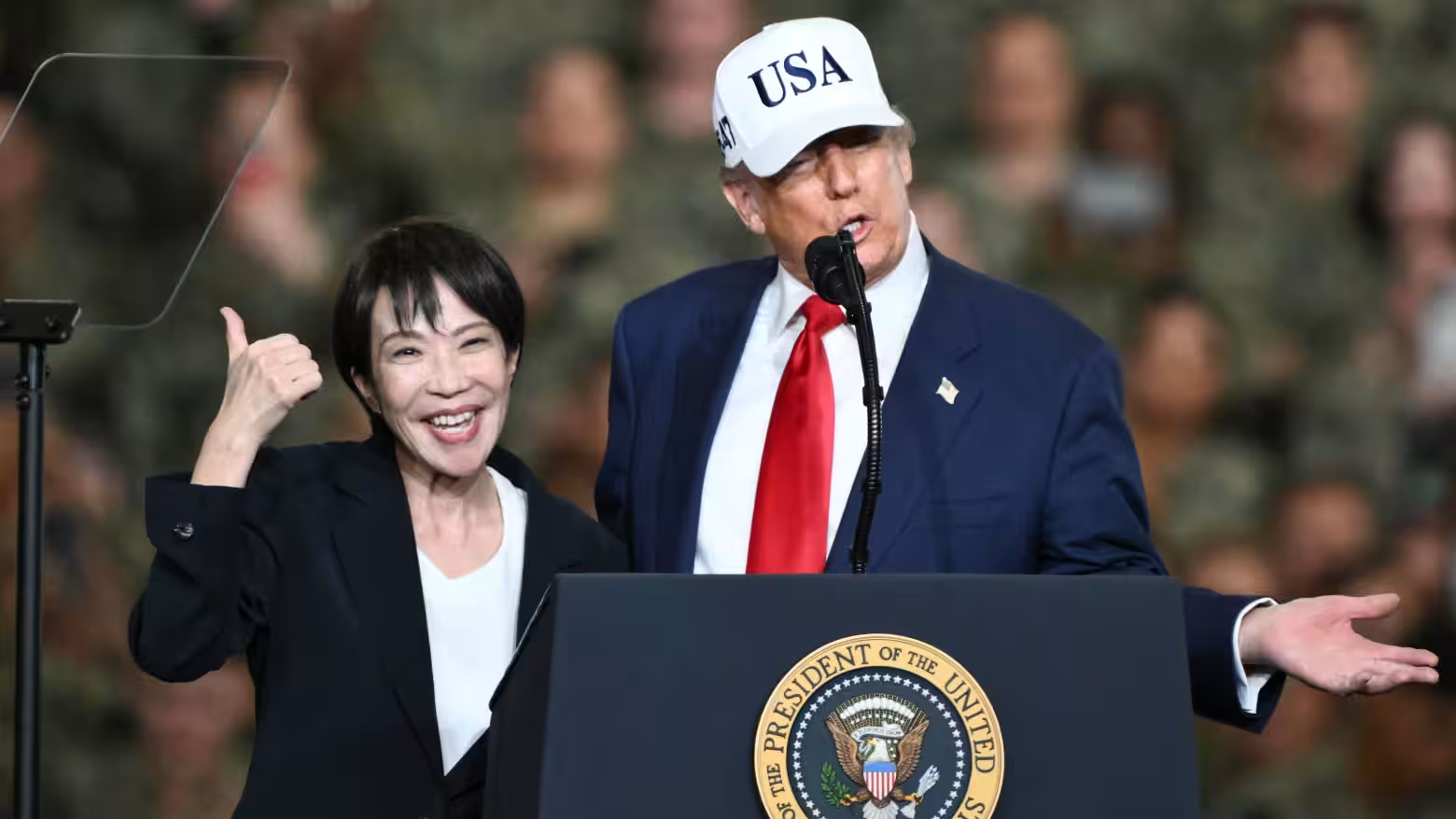
A Diplomatic Gamble in Tokyo
During U.S. President Donald Trump’s visit to Japan on the 28th, Prime Minister Sanae Takaichi made a bold and unexpected gesture—she told Trump that Japan would officially recommend him for the Nobel Peace Prize. The meeting, described as “smooth and productive” by Japanese officials, avoided contentious topics such as defense spending increases, bringing a brief sigh of relief to Tokyo’s diplomatic corps. Yet, analysts warn that the move carries deeper strategic implications.
A Familiar Playbook of Flattery
Nominating Trump for the Nobel Peace Prize isn’t new. World leaders from Israel’s Benjamin Netanyahu to officials from Cambodia, Azerbaijan, and Armenia have previously done the same, recognizing Trump’s role in mediating peace or promoting stability. Even former Prime Minister Shinzo Abe made a similar recommendation in 2019 for Trump’s North Korea diplomacy.
Takaichi’s nomination fits this global pattern—a political tool meant to build goodwill and strengthen ties with a leader who values recognition as much as results.
Political Benefits and Risks
While Japan’s Foreign Ministry insiders described the summit as “a success,” opposition figures at home expressed concern. “Improving U.S.-Japan relations is good, but this could harm our ties with other nations,” one opposition leader warned. Experts agree that the gesture could be seen as a calculated move to keep Trump favorably disposed toward Japan while avoiding pressure on defense cost-sharing.
Eyes on Defense and the Economy
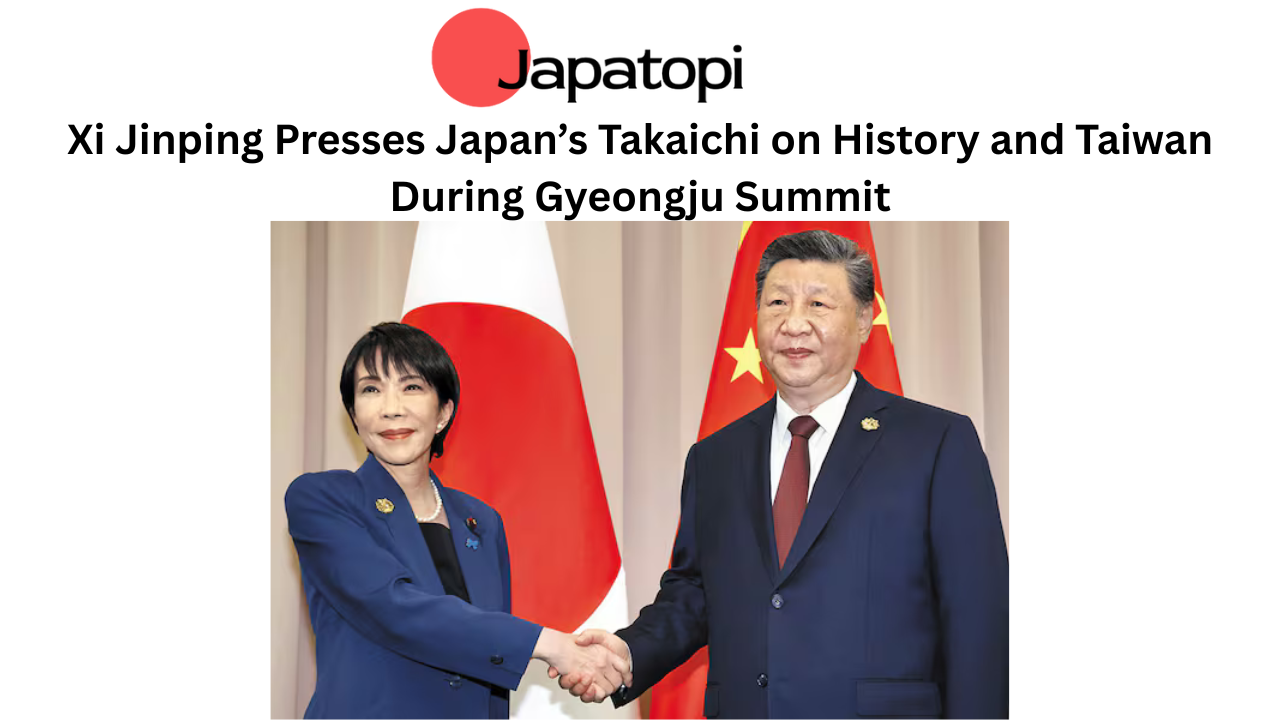
As Trump travels next to South Korea and later meets Chinese President Xi Jinping, many observers are watching how his second-term agenda will shape regional security.
Akemi University professor Tetsuo Kotani noted that “Trump’s primary focus seems to have shifted entirely to economic gain.” He warned that if U.S.-China relations improve too much, it could leave allies like Taiwan and Japan exposed in the event of a regional conflict.
The Takaichi Vision: Security Through Economic Strategy
According to Kotani, Japan’s future challenge will be to redefine the U.S.-Japan alliance around economic security. “The first day went well thanks to Abe’s diplomatic legacy,” he said, “but from here, Takaichi must present a new vision—one that connects Japan’s defense strategy to shared economic interests.”
What Comes Next?
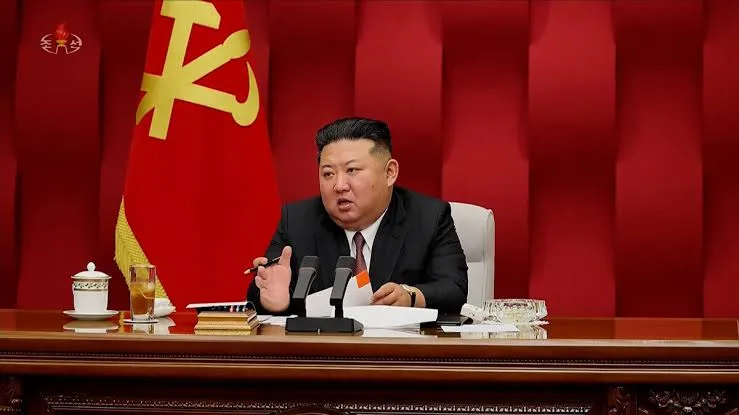
Trump’s itinerary includes a U.S.-South Korea summit and, possibly, a surprise meeting with North Korea’s Kim Jong Un—a scenario that could reshape the balance of power in East Asia.
For now, Tokyo celebrates a calm summit with no new financial demands, but the real test may come in how Japan positions itself between a profit-driven Washington and an ambitious Beijing.