Japanese strategists agree on one nightmare scenario: China seizes Taiwan in short order, the United States pulls its defensive line back toward Guam, and Japan is forced either into Beijing’s shadow or into a costly solo standoff. Yet a closer look—drawing on analysis excerpted from “Geopolitics That Explains the World”—shows why that outcome is far from inevitable. Geography, demographics and alliance dynamics all cut against a rapid fait accompli in the Taiwan Strait. For foreign readers and residents in Japan, understanding these pressures is key to grasping why Tokyo is accelerating defense reforms while doubling down on diplomacy and economic security.
Why Taiwan Is No Easy Target
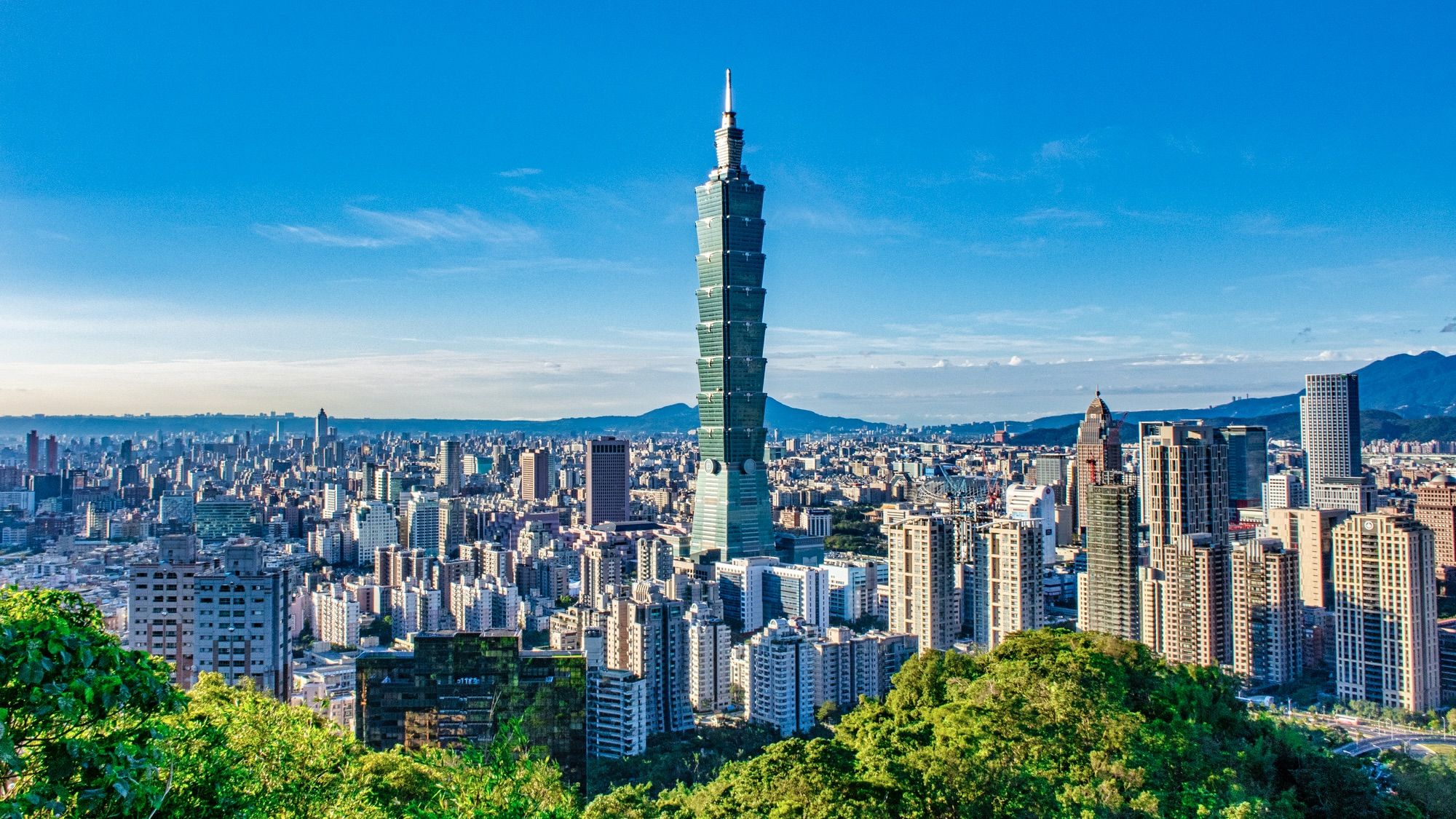
Taiwan sits behind a 130 km expanse of water that functions as a natural fortress. The Taiwan Strait’s high seas, frequent storms and narrow windows of favorable weather complicate any large-scale amphibious landing. Suitable beaches are limited and well known; approaches can be mined, surveilled and saturated by land-based anti-ship missiles, fast-attack craft, drones and air defenses. Even if China achieved temporary air and maritime superiority, the logistics of moving and sustaining tens of thousands of troops across a contested strait are daunting. Amphibious lift, port seizure, and airfield control would all have to succeed quickly and simultaneously—under fire.
These realities underpin Taipei’s “porcupine” strategy: asymmetric defenses designed to make invasion too slow, too costly, and too uncertain to attempt. They also help explain why many military analysts argue Taiwan is not Crimea. A misstep at sea or a stalled lodgment ashore could turn the operation into a grinding war of attrition, with cascading political and economic risks for Beijing.
What a Rapid Fall of Taiwan Would Mean for Japan
In Japan’s worst case, a swift collapse in Taiwan would let the People’s Liberation Army project power from an “unsinkable aircraft carrier” in the middle of the first island chain, stretching from Okinawa through the Philippines. U.S. naval operations west of that line would become far riskier, potentially prompting Washington to consolidate around the “second island chain” linking Guam and beyond. If that happened, Tokyo could face a stark choice: accept quasi-client constraints under an expanded Chinese sphere of influence, or massively scale up its own defense posture to deter a nuclear-armed neighbor ten times its population.
The knock-on effects would reach daily life. Japan’s sea lanes, technology supply chains and energy security would be exposed to persistent coercion risk. Semiconductor shocks could ripple through industries from autos to electronics—despite Japan’s push to onshore capacity, including new fabs in Kyushu. Markets would price in higher geopolitical premiums, weighing on the yen and investment. For multinational firms and expats in Tokyo, Osaka and beyond, crisis planning, cyber resilience and relocation scenarios would move from binder to boardroom.
Demographics and the “Only-Child Soldier” Constraint
One underappreciated brake on Beijing’s war calculus is demographic. Decades of the one-child policy have produced cohorts of “only-child” soldiers. Analysts note that societies with fewer children can be more casualty-averse, particularly when military losses translate into the loss of a family’s sole heir and caregiver. That does not make conflict impossible—but it raises the political and social costs of a bloody campaign, especially one televised in real time and conducted by a highly centralized, opaque leadership that must manage elite cohesion and public sentiment.
Deterrence: Japan’s Emerging Playbook
Recognizing both the risks and the constraints, Japan has moved decisively. Its 2022 National Security Strategy commits to reaching roughly 2% of GDP in defense spending by the late 2020s, building a credible counterstrike capability, and hardening integrated air and missile defenses. The Self-Defense Forces are reinforcing the Nansei (Southwest) Islands with sensors, anti-ship missiles and rapid-mobility units; stockpiles and base resilience are being upgraded. The U.S.-Japan alliance is modernizing command-and-control and deepening joint planning, while coordination with partners across the Indo-Pacific—from the Philippines to Australia and Europe—tightens the net of deterrence.
Tokyo is also advancing “economic security”: backing domestic chip production, securing critical minerals, and stress-testing supply chains. Civil protection drills, evacuation frameworks for remote islands, and new crisis hotlines with Beijing aim to reduce miscalculation. The message is sober and unmistakable: Japan prefers stability and dialogue, but will invest to ensure any aggression faces overwhelming obstacles and unacceptable costs.
The Bottom Line
Beijing’s strategic ideal may be a sphere of influence akin to imperial-era perimeters, treated as coequal to Washington—without assuming global hegemony. But turning Taiwan into a launching pad is neither automatic nor risk-free. The strait’s natural moat, Taiwan’s porcupine defenses, demographic headwinds and a revitalized U.S.-Japan alliance all thicken the fog for any would-be invader. For Japan—and for the global companies and communities that call it home—the prudent course is clear: strengthen deterrence, shore up resilience, and keep channels open, so the worst case remains a scenario on paper, not a crisis at sea.