Osaka, Japan — Police in Suita, Osaka Prefecture, have re-arrested a 34-year-old construction worker on suspicion of cannabis possession following an alleged break-in at Kansai University Kindergarten late last month. According to investigators, the suspect, identified as Yuki Matsumoto, was detained on the 16th on suspicion of possessing approximately 1.5 grams of cannabis at his home on January 30, days after he allegedly entered the kindergarten grounds and restrained a female staff member.
What Police Say Happened
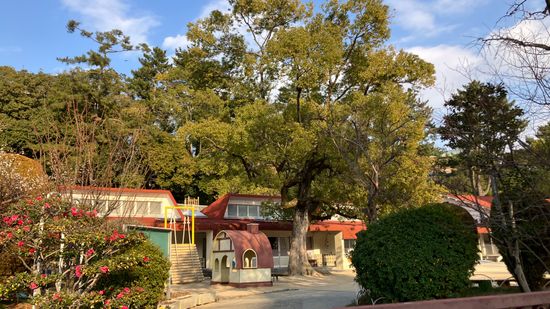
Authorities say Matsumoto allegedly slipped through a gap in shrubbery to enter the Kansai University-affiliated kindergarten in Suita on January 27. He was arrested at the scene on suspicion of trespassing and was later referred to prosecutors on suspicion of false imprisonment causing injury after allegedly putting a female staff member in a headlock, resulting in minor injuries. Police noted that a subsequent search of his residence on January 30 uncovered cannabis and smoking paraphernalia, triggering the latest arrest for possession.
Suspect’s Statement and Test Results
During questioning, Matsumoto reportedly told investigators he had smoked cannabis that morning before work and, under its influence, believed someone was trying to kill him, prompting him to flee into the kindergarten. Police say a urine test returned positive for cannabis components. While acknowledging prior use, Matsumoto has reportedly denied the specific possession allegation, telling police he believed the plant fragments found at home did not contain cannabis ingredients.
Japan’s Strict Drug Laws: Key Context for Foreign Readers
Japan maintains some of the world’s strictest drug laws under the Cannabis Control Act. Simple possession can carry prison sentences of up to five years, with far heavier penalties for cultivation, distribution, or profit-motivated offenses. In late 2023, Japan revised its legislation to newly criminalize cannabis use while opening a narrow pathway for strictly controlled, prescription-only cannabis-derived medicines. For residents and visitors alike, even small quantities can lead to arrest, prosecution, loss of employment, and—for non-citizens—potential visa revocation and deportation. This zero-tolerance posture underpins Japan’s consistently low rates of drug-related crime and reinforces a strong social norm against illicit substances.
School Safety and Rapid Response
While incidents involving schools are rare, Japan’s layered approach to public safety—combining vigilant school staff, community awareness, and prompt police action—aims to minimize risk. In this case, the suspect was quickly detained, and authorities emphasized the protection of children and staff as their top priority. Police have not reported injuries beyond those suffered by the staff member. Educational institutions in Japan typically maintain secure perimeters, conduct regular emergency drills, and coordinate with local police boxes (koban), part of a nationwide community policing model that helps keep campuses and neighborhoods among the safest in the world’s major economies.
Why This Matters
The Osaka case highlights two enduring features of public life in Japan: predictably strict enforcement of drug laws and a strong safety culture around schools. For expatriates, students, and travelers, it is a pointed reminder that Japan’s legal expectations differ sharply from some Western countries—particularly on cannabis—and that compliance is non-negotiable. For local families, the response underscores confidence in authorities’ ability to act swiftly to protect children and restore calm. As the investigation proceeds, the courts will determine whether the evidence supports the possession charge; in the meantime, the episode reinforces Japan’s broader message: community safety comes first, and the law means what it says.