Ishikawa Prefecture, Japan—One month after a commanding showing in national lower house races, Japan’s ruling camp has been handed a stinging local defeat. On March 8, incumbent Governor Hiroshi Hase—endorsed by the Liberal Democratic Party (LDP) and the Nippon Ishin no Kai—lost the Ishikawa gubernatorial election to former Kanazawa Mayor Yukiyoshi Yamano by 6,110 votes. Yamano secured 245,674 votes to Hase’s 239,564, a razor-thin margin that instantly turned a regional contest into a national talking point for Prime Minister Sanae Takaichi’s still-new administration.
From near-certainty to narrow loss
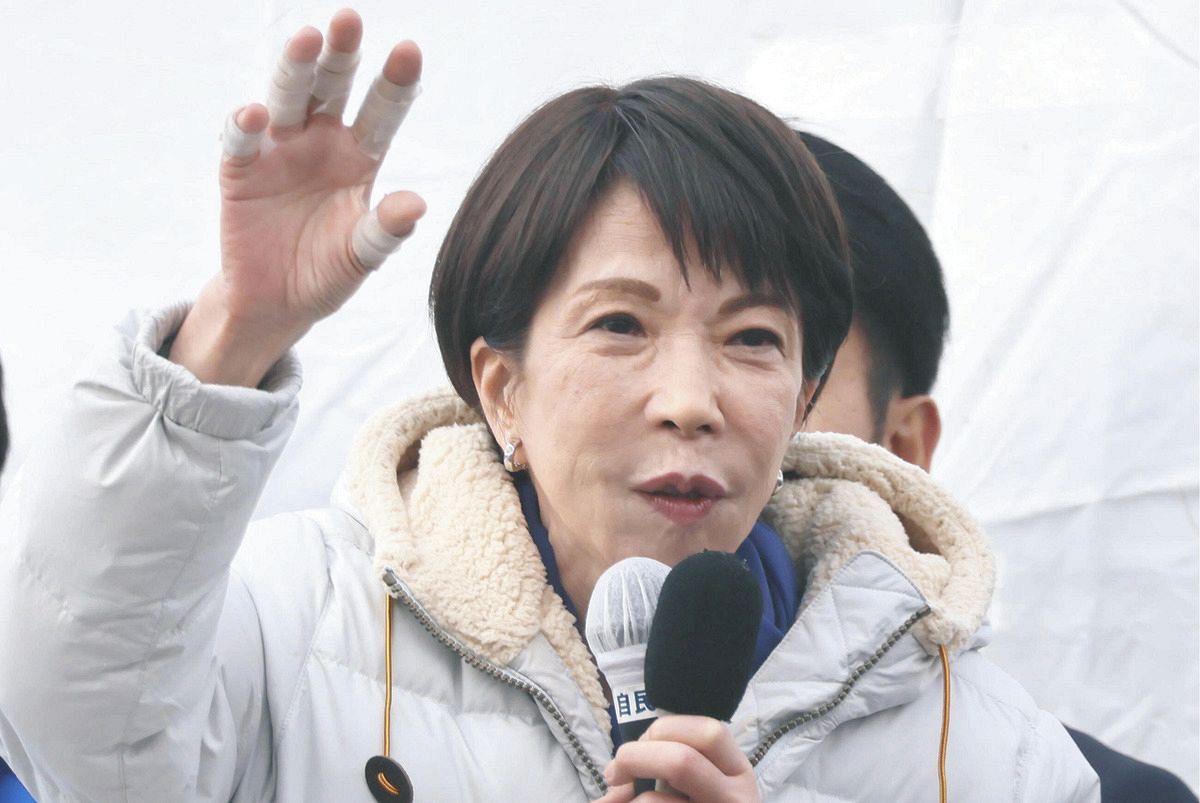
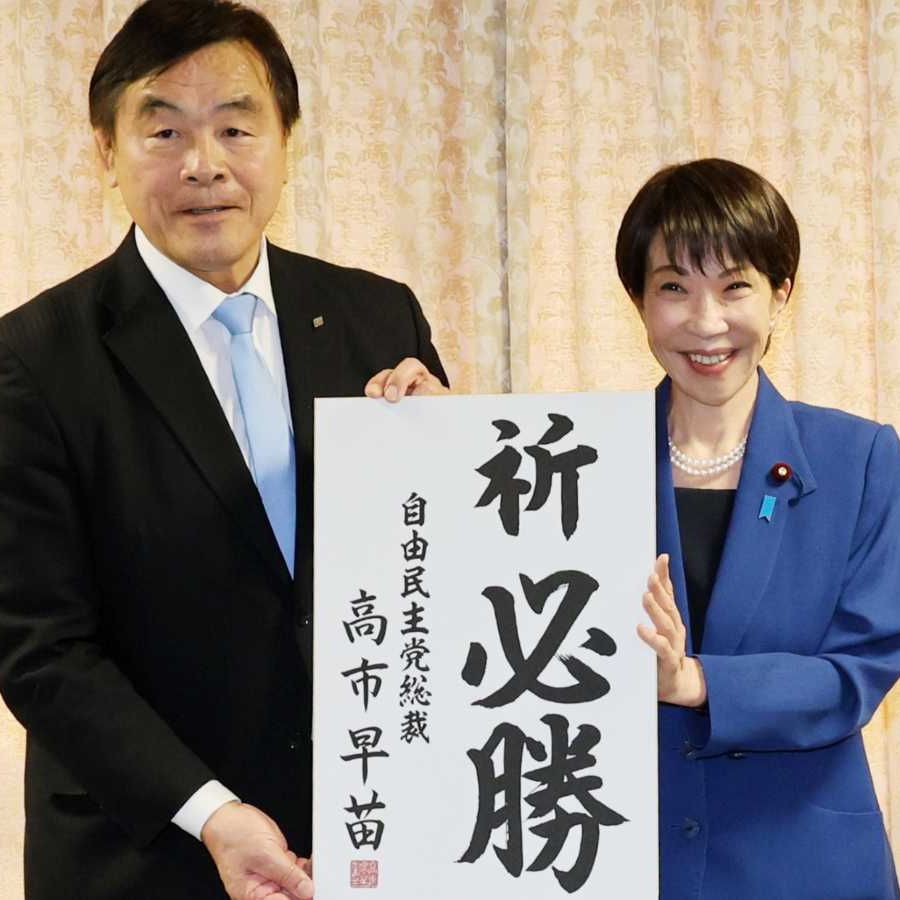
The scale of the upset becomes clearer in context. In the February 8 House of Representatives elections, the LDP amassed 296,574 votes across Ishikawa’s three single-member districts. Add 19,547 votes won by an Ishin candidate in District 1, and the ruling side’s combined total reached 316,121. Hase’s reelection bid also drew heavyweight support: LDP stalwarts including Seiko Noda and Tomomi Inada appeared, as did Ishin leader and Osaka Governor Hirofumi Yoshimura. Prime Minister Takaichi herself flew to Kanazawa on February 28 to stump for Hase. According to campaign accounts, she received word just before takeoff at Haneda Airport of reports concerning a U.S.-Israel strike on Iran, yet proceeded to Ishikawa, underscoring the political weight attached to the race. At a packed rally of 2,050 supporters at Honda-no-Mori Hokuden Hall—reportedly 500 more attendees than a rival event the same day—Takaichi urged voters not to “lose a governor who can summon the party leader, who also serves as prime minister, in times like these.” Despite the show of force, the final tally went the other way.
Polls, quake recovery—and a late swing
Local polling captured a fluid race. A Hokkoku Shimbun survey on November 1–2 showed Hase trailing Yamano by roughly 10 points. By January 17–18, the gap narrowed; by February 14–15, Hase appeared to edge ahead. A fourth survey on February 28–March 1 suggested Hase leading in parts of Ishikawa’s 3rd District, with voters beginning to factor in assessments of recovery from the January 2024 Noto Peninsula earthquake. The final result indicates late-deciding voters and localized turnout patterns may have overridden earlier momentum—an object lesson in how Japan’s regional electorates weigh governance performance, disaster reconstruction, and personality politics right up to the wire.
Why this matters in Tokyo
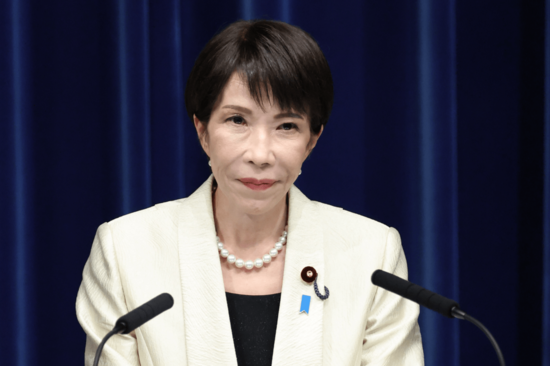
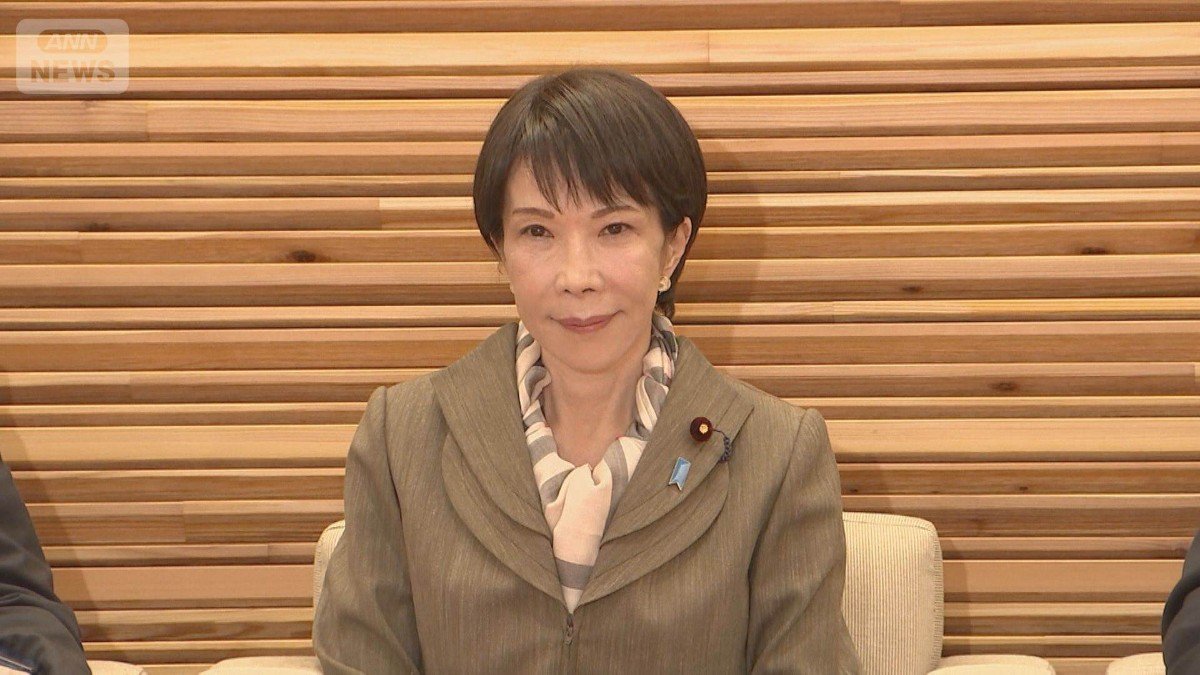
In the capital, the loss is already being read as a cautionary tale for the Takaichi government. Commentators invoked memories of the Hatoyama administration a decade and a half ago, when local upsets foreshadowed national headwinds. Yet key differences stand out: Japan’s institutions are stable, policy continuity remains strong, and the LDP-Ishin relationship gives the ruling side coalition flexibility that did not exist in 2010. Rather than a crisis, this is a recalibration moment—one that rewards visible, results-driven leadership in reconstruction and regional revitalization.
For foreign readers: the Ishikawa and Kanazawa context
Ishikawa is home to Kanazawa, a heritage-rich city popular with domestic and international travelers, linked by the Hokuriku Shinkansen. The 2024 Noto earthquake strained infrastructure and local economies along the peninsula, making recovery spending, tourism rebound, and housing support central campaign issues. For residents and expats alike, prefectural leadership shapes public services, disaster preparedness, and support for small businesses—a reminder that local elections in Japan have real, everyday impact far beyond party banners.
Signals for investors, expats, and students
Expect sustained focus on reconstruction budgets, resilient infrastructure, and inbound tourism in Hokuriku. For expatriates considering work or study in regional Japan, policy traction on housing, childcare, and transport will be important. Japan’s predictable, rules-based governance remains a strength; competitive local elections like Ishikawa’s demonstrate accountability, not instability.
The road ahead for Takaichi
For Prime Minister Takaichi, the lesson is straightforward: convert national support into local credibility, keep reconstruction visibly on track, and deepen coordination with regional leaders—supportive or not. Upcoming local contests will test whether the ruling camp can translate cabinet-level approval into prefectural wins. Japan’s democracy is doing what it does best: delivering clear feedback. The message from Ishikawa is precise and constructive—and Tokyo has time to act on it.