A decisive Lower House win, a tighter Upper House finish
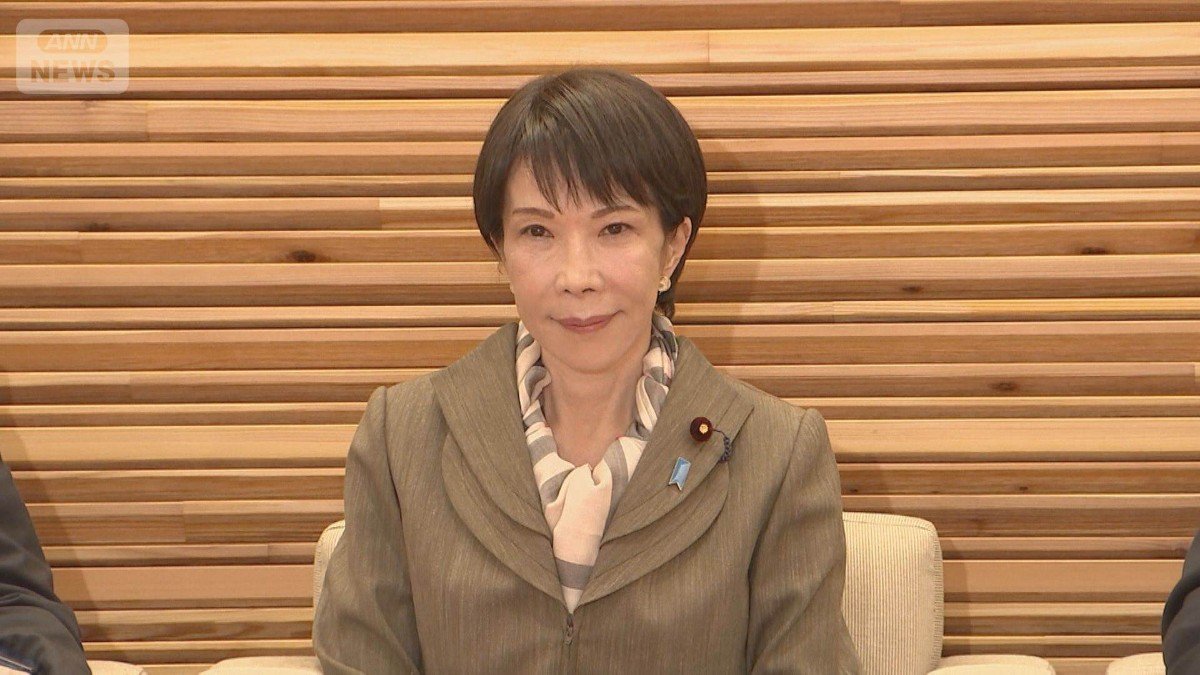
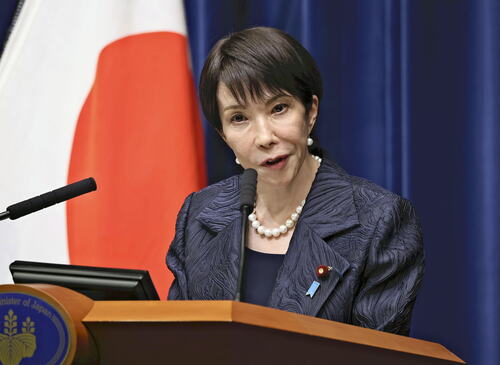
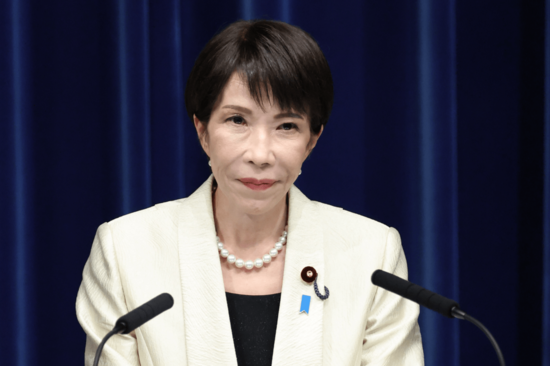
Japan’s National Diet designated Sanae Takaichi as the country’s 105th prime minister on February 18, delivering a resounding mandate in the House of Representatives and a more hard-fought outcome in the House of Councillors. In the Lower House, where a simple majority of 233 was required, Takaichi secured 354 of 464 votes—an overwhelming victory. Other contenders included Junya Ogawa of the Centrist Reform Alliance with 50 votes, Yuichiro Tamaki of the Democratic Party for the People with 28, and Sohei Kamiya of Sanseito with 15.
The Upper House, however, was a reminder that Japanese parliamentary politics can be intricate. With 246 total votes and 124 needed to win, Takaichi came up one short in the initial round with 123. Ogawa received 58, Tamaki 25, and Kamiya 15. That forced a runoff between the top two finishers, where Takaichi prevailed 125–65 over Ogawa, securing her confirmation across both chambers and removing any ambiguity about the new government’s legitimacy.
Controversy over “invalid” ballots
Even as the outcome became clear, one detail seized public attention: reports of 48 invalid ballots in the Upper House process. The figure sparked a storm online, with critics arguing that invalid votes—particularly if they occurred in the runoff, when rules restrict choices to the final two names—made little sense. “What were those lawmakers thinking?” was a common refrain on social platforms. Conservative commentator Naoki Hyakuta posted that he and lawyer Haruo Kitamura properly wrote Takaichi’s name while expressing surprise that “tens” of invalid votes were reportedly not blank ballots, implying that some members may have written in other names. The Diet’s procedures ultimately delivered an unambiguous result, but the episode has raised fresh questions about parliamentary tactics and messaging in high-stakes votes.
“Takaichi Cabinet 2.0”: priorities and tone
At her first news conference, Takaichi announced, “From today, the Takaichi Cabinet 2.0 begins,” outlining an agenda focused on constitutional debate, proactive fiscal policy, and national security. She also made a point of calibrating expectations, saying, “Some say I have been handed broad power or a ‘blank check.’ I do not see it that way at all.” Many in Tokyo interpreted the line as a deft reply to Liberal Democratic Party heavyweight Shigeru Ishiba, who after a major LDP electoral victory had remarked that electoral “confidence is not a blank check.” Social media quickly framed Takaichi’s statement as a sharp but measured clapback—signaling firmness without inviting intra-party escalation.
What this means for Japan—and for global observers
For international readers, Japan’s designation of a prime minister is a parliamentary process: both chambers of the Diet select a candidate; if they differ, the Lower House generally prevails. In this case, the Upper House’s runoff aligned both chambers behind Takaichi, underscoring the stability of Japan’s democratic institutions even amid lively debate. Policy-wise, watch for moves on fiscal stimulus to support households and regional economies, continued investment in advanced manufacturing and supply chains, and steady reinforcement of the U.S.–Japan alliance amid a more complex Indo-Pacific security environment.
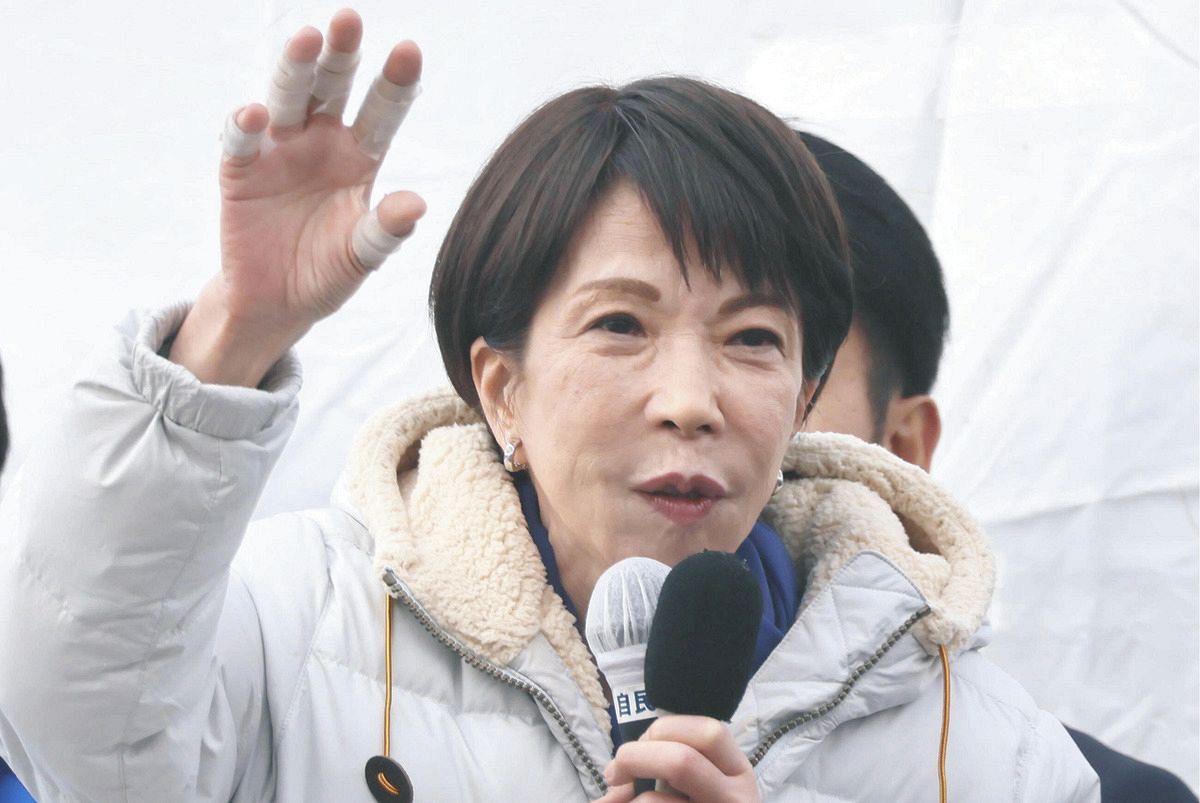
Takaichi, a long-standing conservative voice and one of the most prominent women in Japanese national politics, arrives with clear priorities but also constraints: managing cost-of-living pressures, accelerating digital transformation, and addressing demographic headwinds, all while navigating coalition dynamics and opposition scrutiny. The “invalid ballot” flap hints at a more combative season in the Upper House, yet Japan’s governance culture—consensus-driven, rule-bound, and pragmatic—tends to reward steady stewardship. For investors, expats, and partners abroad, the headline is continuity with purpose: a government signaling resolve on security and growth, tempered by a public commitment not to overread its mandate.
What to watch next
- The new cabinet lineup and early policy signals on budgets, energy, and household support.
- Any timetable for constitutional discussion, including national debate mechanics and public engagement.
- Diet dynamics in the Upper House, where margins are thinner and procedural tactics can shape the legislative pace.
- Implications for foreign talent and business: labor market reforms, digital services expansion, and investor confidence.
With “Takaichi Cabinet 2.0” underway, expectations are high—and so is the scrutiny. The real test starts now.