Financial markets are responding to Japan's new political landscape with significant currency movements as the yen weakens to levels not seen in eight months. The phenomenon, dubbed the "Takaichi trade" by market participants, reflects investor expectations regarding monetary and fiscal policy under the leadership of newly elected Liberal Democratic Party president Sanae Takaichi.
Currency Movements and Market Dynamics
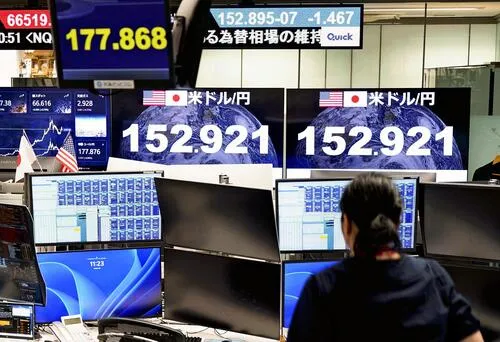
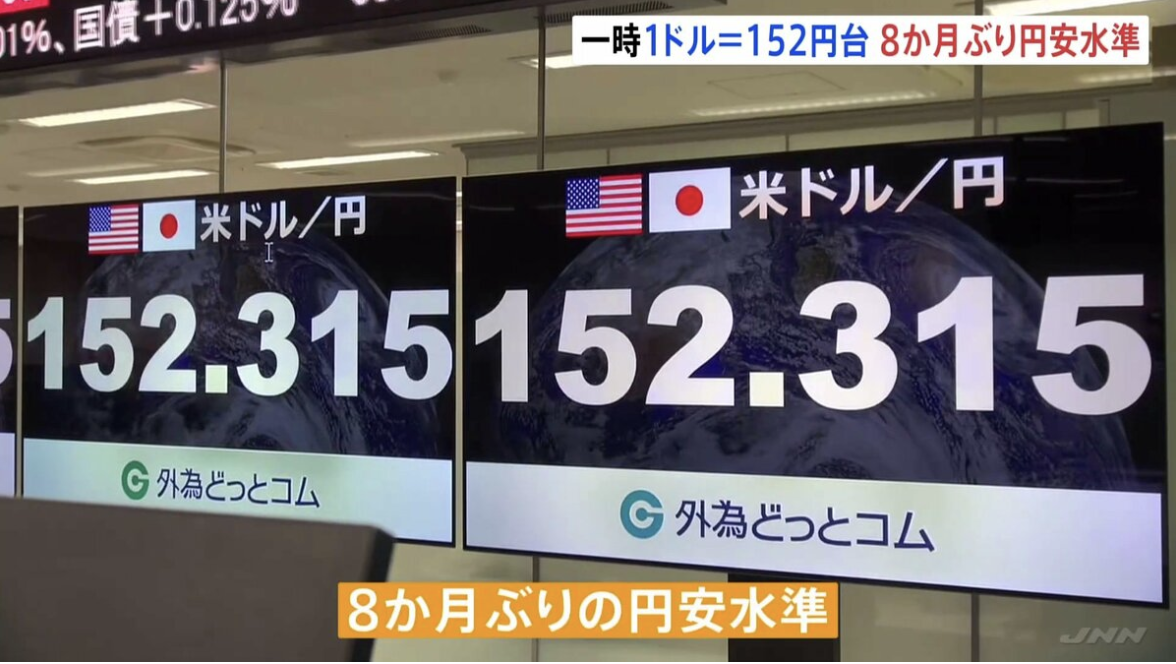
The Japanese yen has weakened to the 152 range against the U.S. dollar, representing its lowest level in approximately eight months. The currency's decline of nearly five yen since the previous Friday reflects substantial selling pressure as international investors adjust their positions based on anticipated policy directions.
Market analysts attribute the movement to expectations that the Bank of Japan will face increased difficulty implementing interest rate hikes under the new political leadership. Takaichi's historical emphasis on monetary easing as a policy priority has created perceptions that the central bank may encounter political headwinds if it attempts to normalize monetary policy.
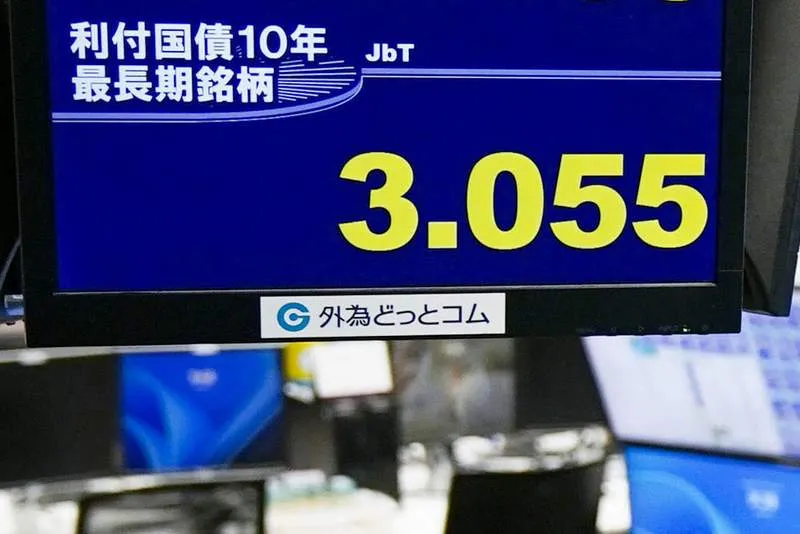
Simultaneously, concerns about potential expansionary fiscal policies and their implications for Japan's already substantial public debt are contributing to yen selling. The combination of potentially constrained monetary tightening and expanded government spending creates a classic recipe for currency depreciation.
Equity Market Response
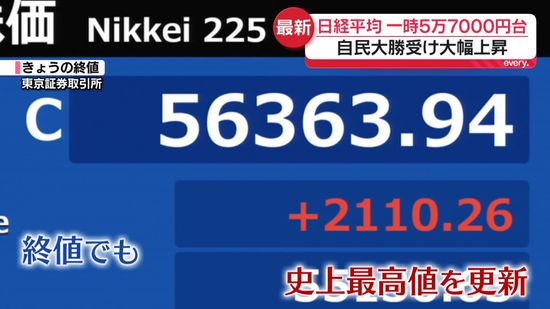
Tokyo's stock markets have presented a more nuanced picture amid the currency movements. The Nikkei Stock Average has recorded gains for four consecutive trading sessions, though the pace of increase has moderated as participants express caution about potential overheating.
Sectors benefiting from yen depreciation, particularly export-oriented manufacturers like automobile companies, have seen notable buying interest. The weaker yen improves the competitive position of Japanese exports while increasing the yen value of overseas earnings when repatriated.
However, the broader market has shown restraint amid uncertainty about how the new political environment might influence economic policy beyond currency effects. Investors appear to be balancing optimism about export competitiveness against concerns about potential inflation and fiscal sustainability.
Policy Expectations and Economic Implications
The market movements reflect specific expectations about how Takaichi's leadership might influence economic policy. Her historical advocacy for the Bank of Japan maintaining ultra-accommodative monetary policy has created expectations of continued low interest rates, reducing the attractiveness of yen-denominated assets for international investors seeking yield.
Simultaneously, speculation about potential fiscal stimulus measures has raised concerns about Japan's debt trajectory. With government debt already exceeding 250% of GDP, additional spending without clear funding mechanisms could heighten concerns about long-term fiscal sustainability.
These policy expectations have created a environment where yen selling appears rational to many market participants, particularly as other major central banks maintain relatively hawkish stances. The interest rate differential between Japan and other developed economies continues to favor foreign currencies.
Historical Context and Comparison
The current yen weakness recalls previous periods of significant currency depreciation, particularly the "Abenomics" era when deliberate monetary easing contributed to substantial yen declines. However, important differences exist in the current global economic context, including higher inflation worldwide and more constrained policy flexibility.
Market participants are also weighing how currency movements might influence Japan's economic recovery. While a weaker yen traditionally benefits export sectors, it also increases costs for imported energy and raw materials, potentially squeezing corporate profits and household purchasing power.
The Bank of Japan faces a complex balancing act, needing to consider currency stability alongside its inflation targets and financial stability responsibilities. Previous yen weakness episodes have prompted official intervention, creating uncertainty about potential policy responses if depreciation accelerates.
International Reactions and Global Context
International financial authorities are monitoring the yen movements closely, particularly given Japan's status as a major holder of U.S. Treasury securities and its importance in global financial markets. Significant currency volatility could have implications for capital flows and asset allocations worldwide.
Japan's trading partners may express concerns if sustained yen weakness creates perceived unfair competitive advantages for Japanese exports. Previous periods of significant depreciation have prompted diplomatic discussions about currency practices, though current global economic conditions may temper such responses.
The situation occurs against a backdrop of general U.S. dollar strength across global markets, making it important to distinguish Japan-specific factors from broader currency trends. The dollar index has strengthened against multiple currencies recently, though the yen's decline has been particularly pronounced.
Forward Outlook
Market participants will be watching closely for official statements from both the government and Bank of Japan regarding currency policy. Verbal intervention to slow depreciation remains possible, though direct market intervention would require more substantial movement according to most analysts.
Upcoming economic data releases, particularly inflation figures and trade statistics, will provide important context for assessing the impact of currency movements on Japan's economy. Corporate earnings announcements will also offer insights into how specific sectors are responding to the changing exchange rate environment.
For now, the "Takaichi trade" appears well-established in market psychology, suggesting that yen weakness may persist until clear policy directions emerge or economic conditions shift substantially. The coming weeks will test whether these market movements represent temporary adjustment or the beginning of a more sustained trend.