A sprint to the polls begins
Japan’s political machinery is shifting into high gear for what insiders are calling a “super-short” Lower House contest, with major parties unveiling election pledges and racing to finalize candidate slates. With the official campaign period set to begin on the 27th and ballots to be cast on the 8th of next month, the country is entering one of the most compressed election cycles of the postwar era—an accelerated test of message discipline, organizational strength, and policy clarity.
A prime minister in motion—and a winter flavor
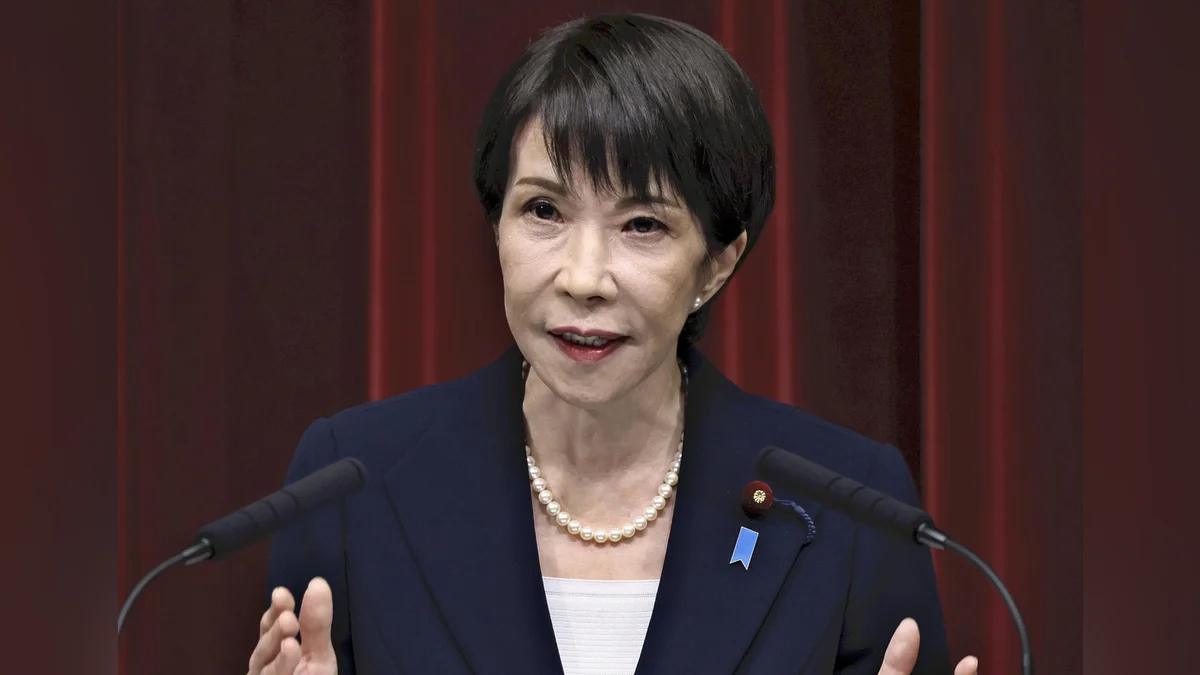
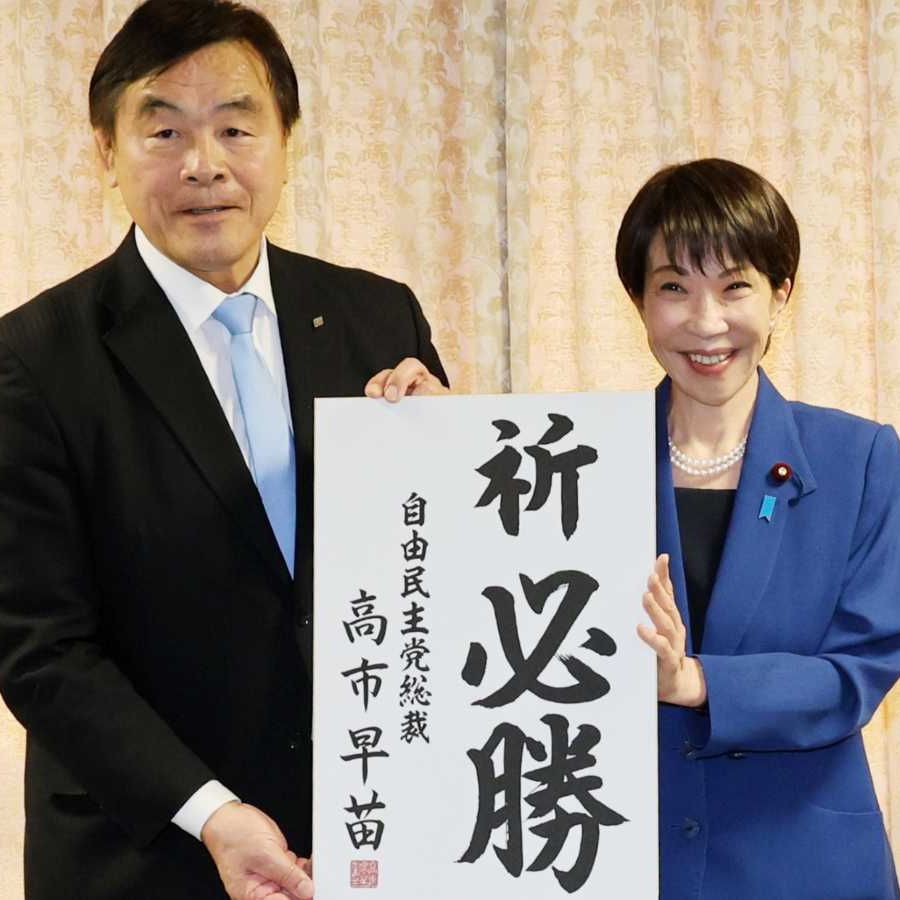
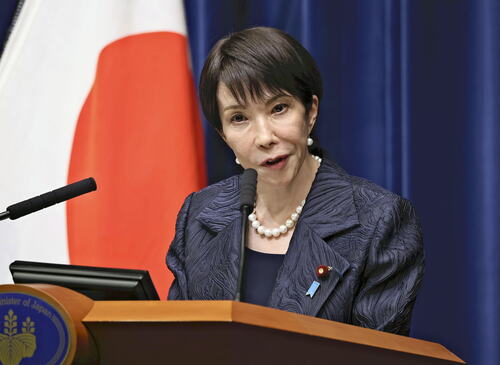
Prime Minister Sanae Takaichi spent the 21st darting between official engagements, briefly pausing to praise a seasonal delicacy—the melt-in-your-mouth, richly sweet anpo-gaki, a semi-dried persimmon that signals the heart of winter in Japan. The image was a soft prelude to what the prime minister herself has called a “rich, high-stakes winter battle,” as she pledged to take new policies “to the people” and rally her party for a rapid-fire campaign. In remarks reflecting the urgency of the timetable, Takaichi said she would “argue for new policies clearly” and “fight this together” with her party, underscoring a hands-on approach to a race that will be won on speed, clarity, and credibility.
LDP pamphlet is “all Takaichi”
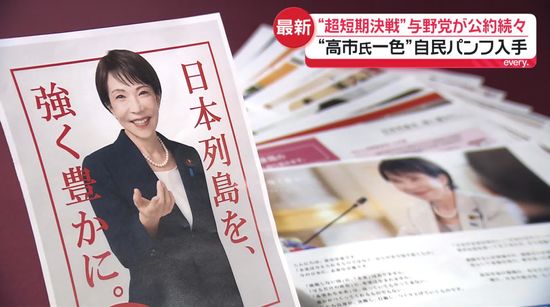
Nippon TV’s NNN reported that it obtained the Liberal Democratic Party’s campaign pamphlet ahead of its formal release—and it bears the unmistakable imprint of the sitting prime minister. The LDP’s election catchphrase: “Make the Japanese archipelago strong and prosperous.” The platform leans hard into inflation relief as the top priority, signaling a sharpened focus on everyday costs that have challenged household budgets across the country. Notably, the pamphlet states the party will accelerate consideration of a two-year, zero-percent consumption tax on food and beverages—an attention-grabbing headline measure that positions the LDP as responsive to consumer pain without immediately committing to permanent structural change in the tax regime. The document also flags “foreigner policy,” a broad designation that in Japan typically covers immigration rules, the status of foreign workers, and integration policies. And throughout, the publication projects what members call the “Takaichi color.” Even the greeting bears her stamp—exclamation points and all—urging voters to “entrust your strength to Sanae Takaichi’s challenge” and “draw out more of Japan’s latent power,” signed by the LDP president herself. The visual emphasis is unmistakable: page after page features Takaichi’s face, a stark contrast with the party’s pamphlet under the prior Ishiba administration, which had a notably lighter touch on leader imagery.
“We had to work at breakneck speed,” said LDP Policy Research Council Chair Takayuki Kobayashi, praising staff who “virtually went without sleep” to meet deadlines. The message is clear: the LDP sees this as a short, decisive contest that will be fought partly on presentation and personality—and it believes a leader-forward approach can galvanize supporters and crystalize the party’s agenda in record time.
Coalition partner Ishin frames itself as the accelerator
The LDP’s ruling partner, the Japan Innovation Party (Nippon Ishin no Kai), rolled out its own slogan: “We’ll move it—by Ishin.” Co-leader Fujita argued that many of the policies the Takaichi government should prioritize echo Ishin’s longstanding platform, framing the party as the coalition’s accelerator pedal. This positioning is more than branding: Ishin has built its identity on administrative reform, fiscal discipline aligned with pragmatic investment, and a drive for local autonomy that resonates in key urban battlegrounds. As the coalition calibrates messages for a rapid campaign, Ishin’s pitch is that it offers the urgency and reformist energy to push execution across the line.
Opposition unveils pledges—and rushes to field candidates
On the opposition side, parties are moving with equal haste. Japanese Communist Party Chair Tomoko Tamura introduced a campaign theme grounded in “livelihood, peace, and human rights,” promising to “work for the people without wavering.” The JCP is putting wage growth front and center, pledging to lift the minimum wage nationwide to 1,500 yen per hour as quickly as possible, with a medium-term target of 1,700 yen—a bid to tackle the cost-of-living squeeze through pay rather than temporary tax measures. Sanseito, meanwhile, announced additional endorsed candidates, saying it is on track to field about 160 in total. Party leader Kamiya insisted this election would be a “head-on” confrontation with the LDP and came out against the LDP’s floated two-year zero consumption tax on food, arguing instead for an across-the-board tax cut—or full abolition—if taxes are to be reduced. The stance sets up a clear policy contrast on inflation relief: targeted, time-limited tax measures versus broader structural changes.
In a development that adds both uncertainty and human drama to the campaign, Reiwa Shinsengumi leader Taro Yamamoto announced he will resign his seat in the House of Councillors for health reasons, describing his condition as “just short of multiple myeloma.” He said he will remain party leader and focus on treatment for now, aiming to return to frontline politics after recovering. “I will step down once,” Yamamoto said, “then regain my health and come back. I will stay on as party representative and intervene as needed at key moments.” The move reshapes Reiwa’s strategy in a campaign that demands intense, daily retail politics, while also highlighting the personal pressures of Japan’s compressed electoral calendar.
Why the timing matters
Japan’s truncated timeline heightens the premium on organization and clarity. Parties must confirm candidates, lock down endorsements, finalize messaging, and deploy resources across districts with remarkable speed. The intensity strains back-office operations, but Japan’s election system—rooted in established rules, short official campaign periods, strict finance and advertising regulations, and clear procedures—also ensures a reliable, orderly democratic exercise even under time pressure. That is a point of pride for many voters and a hallmark of Japan’s political stability.
Policy stakes: prices, pay, and people
Thematically, this race is coalescing around cost-of-living relief, wage growth, and the broader architecture of Japan’s economic future. The LDP’s exploration of a temporary zero consumption tax on food offers immediate relief at checkout counters, and it is designed to be administratively straightforward. Yet questions remain about the balance between short-term support and long-term fiscal health, as well as how to sustain real income growth beyond temporary measures. Opposition parties are pressing for stronger wage floors and, in some cases, sweeping tax reform, betting that voters want structural change rather than stopgaps. Meanwhile, references to “foreigner policy” hint at debates over skilled immigration and labor market flexibility—sensitive issues where public consensus is evolving.
A leader-forward campaign—and what it signals
The decision to saturate the LDP pamphlet with Takaichi’s image underscores a calculation: in a short race, a clear focal point can unify the party and simplify the pitch. Personalization can cut through noise and convey accountability—who leads, who decides, and who is responsible for delivery. Critics sometimes warn that personality-heavy campaigns risk overshadowing deliberation over policy specifics, but in Japan’s case, the approach often coexists with rigorous manifestos and detailed policy booklets. The Takaichi team seems intent on having both: a memorable front page and granular promises beneath it.
What to watch next
With the campaign set to kick off on the 27th and voting on the 8th, watch for rapid candidate announcements, district-level alignments, and policy clarifications around tax relief, wage targets, and social supports. Also significant will be how the coalition calibrates the LDP–Ishin division of labor, and whether opposition parties can consolidate attention in a crowded field. For voters, the choice is sharpening: near-term relief versus structural change, leader-forward governance versus platform-driven pluralism. For Japan, this compressed contest is another demonstration of democratic resilience—fast, focused, and, above all, firmly grounded in the country’s commitment to stability, prosperity, and pragmatic problem-solving.