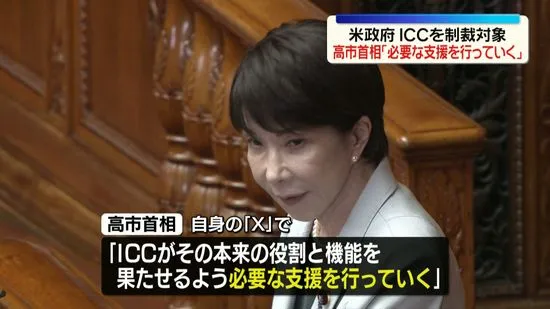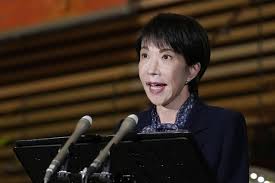
Prime Minister Sanae Takaichi on Saturday avoided weighing in on the legitimacy of U.S. military action in Venezuela, instead pledging intensified diplomatic efforts aimed at “the restoration of democracy and the stabilization of the situation” in the South American nation. In a post on X, formerly Twitter, Takaichi said Japan has consistently upheld the “basic values and principles of freedom, democracy, and the rule of law,” while promising close coordination with partners, including the Group of Seven (G7), and the full protection of Japanese nationals.
A carefully calibrated message amid an ally’s use of force
The prime minister’s statement, coming days after the reported U.S. strikes, underscored Tokyo’s instinct to prioritize alliance management and crisis stabilization without endorsing or condemning the use of force. Notably, Takaichi did not address whether Washington’s action was justified under international law—a silence that stands out given intensifying debate over the legality of cross-border strikes absent explicit United Nations Security Council authorization or a clear claim of self-defense. Japan’s Foreign Ministry later said there were no immediate reports of injuries to Japanese citizens in Venezuela, adding that the government remains vigilant and will keep travel advisories and consular guidance under review.
Opposition accuses Washington of overreach and demands answers at home
Domestic political reaction was swift. Yoshihiko Noda, leader of the Constitutional Democratic Party (CDP), criticized the U.S. operation as “excessive,” arguing at a press conference in Ise, Mie Prefecture, that the strike’s legitimacy is “highly questionable” under the U.N. Charter and international law. “We cannot but express regret,” he said, calling on the government to explain its position and disclose what it knew in advance. Noda linked his critique to Takaichi’s recent call with U.S. President Donald Trump on January 2, asking whether Tokyo had any prior briefing on the plans. “We will press the government on its stance,” he added, signaling that the issue is likely to surface in Diet questioning as lawmakers return from the New Year recess.
Japan’s balancing act: alliance solidarity versus legal risk
Takaichi’s statement reflects a familiar Japanese playbook when allies act militarily: stand by long-held principles, foreground diplomacy, and avoid prejudging legality while reserving space to maneuver. Successive Japanese governments have emphasized adherence to the U.N. Charter’s prohibition on the use of force and the primacy of multilateral solutions, even as Tokyo anchors its security policy in the U.S.-Japan alliance. In practical terms, that often means encouraging de-escalation and supporting mediation and sanctions over kinetic action—especially in regions where Japan has limited military footprints and significant commercial or humanitarian interests.
The government’s emphasis on protecting Japanese nationals is standard in fast-moving crises. Tokyo’s crisis management protocols typically include enhanced consular outreach, potential evacuation planning, and coordination with like-minded embassies on the ground. Although the Foreign Ministry stressed there are currently no reports of harm to Japanese citizens, it signaled readiness to act if the security environment deteriorates.
Why Venezuela matters to Tokyo
While Japan is not a central player in Venezuelan domestic politics, it has consistently called for free and fair elections, respect for human rights, and the release of political detainees as part of a broader commitment to democratic norms. Venezuela’s prolonged economic collapse and political gridlock have drawn repeated international attention, with competing claims to legitimacy in past elections and a humanitarian crisis that has fueled mass migration across Latin America. For Japan, the stakes are measured less in immediate security terms and more in the stability of global norms and economic predictability—particularly as energy markets remain sensitive to disruptions in major oil-producing countries, including Venezuela.
A legal and strategic debate without easy answers
The opposition’s call to scrutinize the U.S. action touches on a core international-law question: under what circumstances can a state lawfully resort to force? The U.N. Charter generally prohibits the use of force except in cases of Security Council authorization or self-defense against an armed attack. In recent years, debates have widened to include anticipatory self-defense and humanitarian intervention, but such rationales remain contested. Tokyo’s caution in avoiding a legal judgment may reflect both diplomatic prudence and the reality that facts on the ground—such as the target set, claimed justification, and the duration and scope of operations—will shape the international community’s assessment.
Strategically, Japan also has to reconcile its support for democratic transitions with the risks of escalation. An overt endorsement of strikes could fracture G7 consensus if other partners lean toward restraint, while outright condemnation could strain the alliance with Washington. By framing its response around values, diplomacy, and citizen protection, Tokyo is keeping options open as more information emerges.
What we know—and what we don’t
Confirmed: the prime minister has publicly vowed diplomatic engagement to restore democracy and stabilize Venezuela; Japan will coordinate with G7 and other partners; and the Foreign Ministry reports no Japanese casualties at present. Unresolved: Tokyo has not disclosed any details of Takaichi’s call with President Trump, including whether Japan received advance notice or what assurances, if any, were discussed. The government has also not indicated whether it will seek consultations at the U.N. or press for a formal international response.
Domestic implications for Takaichi’s leadership
For Takaichi, the episode presents an early test of crisis communication and alliance management. Her government’s handling will be watched by both ruling and opposition lawmakers, who have become more assertive in demanding transparency over security matters with direct implications for Japanese nationals abroad. Expect scrutiny in parliamentary committees over contingency planning, intelligence-sharing with allies, and the legal rationale behind any public stance Japan eventually takes.
Next steps: diplomacy first, options open
In the coming days, attention will turn to whether the G7 can craft a coordinated message that discourages further escalation while reaffirming core democratic principles. Japan is likely to support calls for restraint, humanitarian access, and a credible political process in Venezuela, even as it avoids prejudging Washington’s legal case. If conditions worsen, Tokyo could consider bolstering humanitarian aid or backing regional mediation efforts in coordination with partners in the Americas. For now, Japan’s posture is one of watchful engagement: protect its citizens, uphold values, consult with allies, and keep the diplomatic channel open.