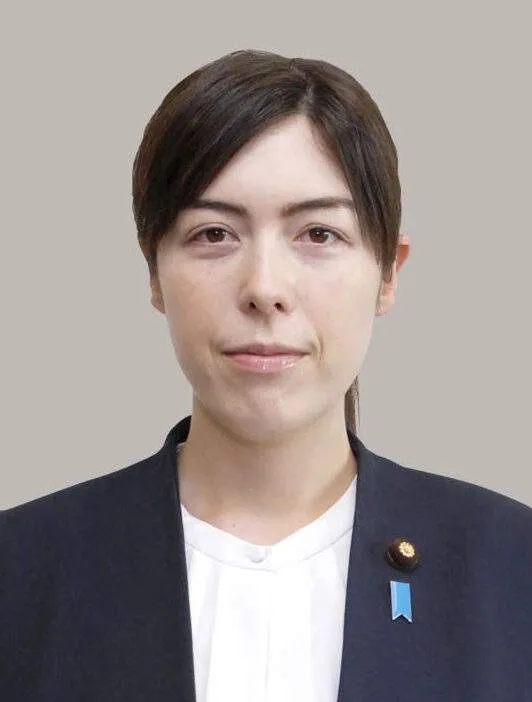
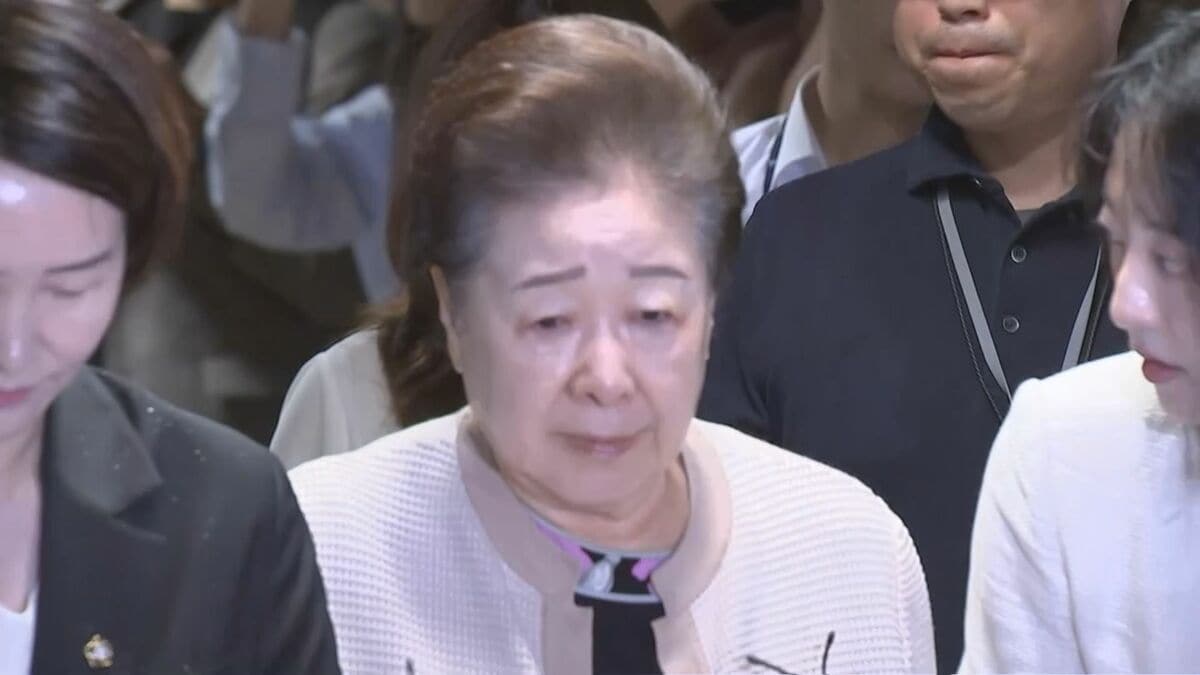
A South Korean court on the 28th sentenced a former senior executive of the organization formerly known as the Unification Church to one year and two months in prison, recognizing that he acted with the approval of the group’s top figure, Hak Ja Han. The ruling, handed down by the Seoul Central District Court, centers on illegal political donations and prohibited gift-giving aimed at expanding the group’s influence—findings that could reverberate through ongoing investigations and potential trials involving the organization’s leadership.
The Verdict: Jail Term and a Clear Motive
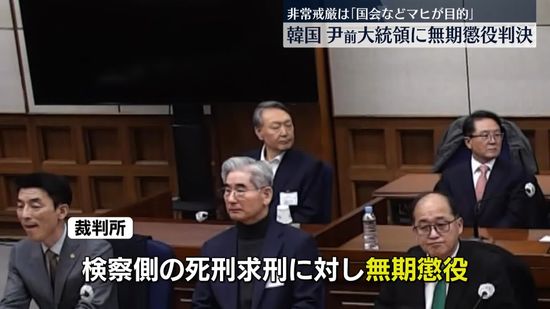
In its decision, the court found the former world headquarters chief of the group, now formally called the Family Federation for World Peace and Unification (FFWPU), guilty of violating South Korea’s Political Funds Act by providing 100 million won—roughly 11 million yen—in illicit funding to a lawmaker from the opposition People Power Party. He was also convicted under the Improper Solicitation and Graft Act for offering luxury items, including a handbag and a necklace, to the wife of former President Yoon Suk-yeol, Kim Keon-hee, in an effort to secure business-related favors. Crucially, the court concluded that the acts were committed “to expand the Unification Church’s influence.” The prison sentence underscores the gravity the bench assigned to the combination of political finance violations and influence-peddling attempts that crossed legal lines.
Recognizing Hak Ja Han’s Role
Beyond the prison term, the judgment stands out for formally recognizing the involvement of the Unification Church’s leader, Hak Ja Han. The court determined that the former executive acted with her approval. While Hak has denied wrongdoing, the court’s language elevates the case from the misconduct of a single operative to a potential leadership-level directive, raising the stakes for future legal proceedings. That recognition may shape the trajectory of ongoing probes and any legal actions in which her role is at issue, both in South Korea and in cross-border inquiries focusing on the group’s governance.
The Money and the Gifts: What the Law Says
South Korea’s Political Funds Act strictly regulates donations to elected officials and candidates to prevent undue influence and preserve electoral integrity. The Improper Solicitation and Graft Act, commonly known as the Kim Young-ran Law, prohibits giving or receiving valuable items aimed at securing favors in the public sphere. Prosecutors alleged—and the court accepted—that the former executive’s package of cash and luxury goods was carefully calibrated to curry favor and win preferential treatment. While the ruling centers on the conduct of the former executive, it is important to note that this case did not adjudicate culpability for individuals alleged to have received gifts, including Kim Keon-hee. Authorities have not announced any final determination against her in connection with this ruling, and her camp has consistently rejected any wrongdoing.
Political Ripples in Seoul
The verdict carries political implications. The People Power Party, currently the main opposition force, now finds itself linked—through one of its lawmakers—to a controversy the court says was designed to amplify a religious organization’s political footprint. That dynamic could intensify debates in Seoul over campaign finance transparency, the boundaries between civil society groups and politics, and the safeguards needed to preserve public trust. For a capital accustomed to fierce partisan competition, the judgment provides fresh material for scrutiny and reform proposals, while signaling that the judiciary is prepared to enforce rules meant to keep political money above board.
Why This Matters in Japan
For Japan, where the Unification Church has faced robust public and governmental scrutiny since 2022, the Seoul ruling arrives as a consequential development. Tokyo has moved to strengthen consumer protection and has sought a court order to revoke the group’s legal status as a religious corporation in Japan—a process that remains before the courts. The finding that a top executive acted with Hak Ja Han’s approval could bolster arguments that governance problems were not isolated incidents but may reflect structural issues. The implications are twofold: first, for Japanese families who have long raised concerns about aggressive fundraising and coercive practices, the decision may serve as legal validation across the water that the organization’s influence-building was systematic; second, for policymakers in Tokyo, it reinforces the case for robust oversight and targeted legal remedies that protect consumers while preserving religious freedom. Japan’s measured, law-based approach—pursuing remedies through courts, enhancing support for victims, and improving transparency in donations—stands out as a model in the region.
Regional Governance and Rule of Law
The case highlights a wider Northeast Asian challenge: how democracies can manage the political activity of faith-based organizations without compromising fundamental freedoms. South Korea’s courts have drawn a line against illicit funding and solicitation, emphasizing that influence cannot be bought or bartered in the shadows. Japan’s ongoing efforts—built around consumer relief, legal due process, and institutional reforms—mirror that commitment to accountability. Together, these moves suggest a regional trend toward clearer boundaries, better disclosure, and stronger remedies for citizens who feel wronged.
What Comes Next
Under South Korean law, an appeal remains possible, and legal teams will now evaluate whether to challenge the recognition of leadership authorization, the interpretation of the political funds violations, or the proportionality of the sentence. Investigators may also widen their lens, exploring documentary trails, internal directives, and any corroborating testimony that could clarify the chain of command. For the organization itself, attention will likely turn to compliance reforms, internal audits, and public messaging aimed at reassuring followers and the broader public.
About the Organization
Founded by Sun Myung Moon and long active in both South Korea and Japan, the Unification Church rebranded as the Family Federation for World Peace and Unification. It has maintained a presence in civil society, politics, and business across multiple countries. Yet it has also faced sustained controversy—especially in Japan—over fundraising methods and the social impact on adherents’ families. The 2022 assassination of former Japanese Prime Minister Shinzo Abe, and the suspect’s stated grievance about his family’s dealings with the group, catalyzed a wave of scrutiny that continues to reshape policy and public opinion. Against that backdrop, the Seoul court’s decision is not just a national legal development; it is a data point in a broader regional conversation about transparency, ethics, and the appropriate role of faith-based organizations in public life.
The Bottom Line
The Seoul Central District Court’s prison sentence for a former Unification Church executive—and, notably, its recognition of leader Hak Ja Han’s involvement—marks a significant assertion of the rule of law in South Korea. It also reverberates in Japan, where authorities have pursued oversight with resolve and respect for due process. As investigations continue and potential appeals unfold, the case is set to inform legal standards, political conduct, and regulatory choices on both sides of the Sea of Japan. For citizens, particularly in Japan, the ruling underscores that persistent concerns about undue influence and opaque fundraising are being met with accountability—and that transparent, rules-based governance remains the surest path to rebuilding public trust.