Conflicting reports spark global alarm
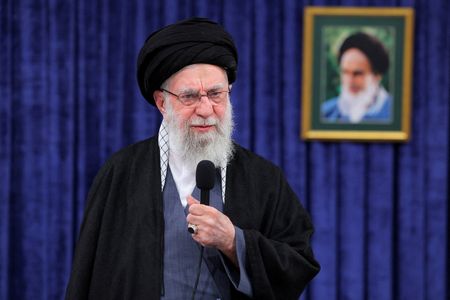
Conflicting reports from the Middle East and the United States on February 28–March 1 say Iran’s Supreme Leader Ayatollah Ali Khamenei was killed in strikes attributed to the U.S. and Israel, with U.S. President Donald Trump vowing to continue “intense” bombardment. While some Iranian state outlets were cited as acknowledging Khamenei’s death, other Iran-based agencies denied it, saying he remained in command. The claims could not be independently verified at the time of publication, underscoring the fog of war as tensions rapidly escalated.
Strikes, claims, and denials
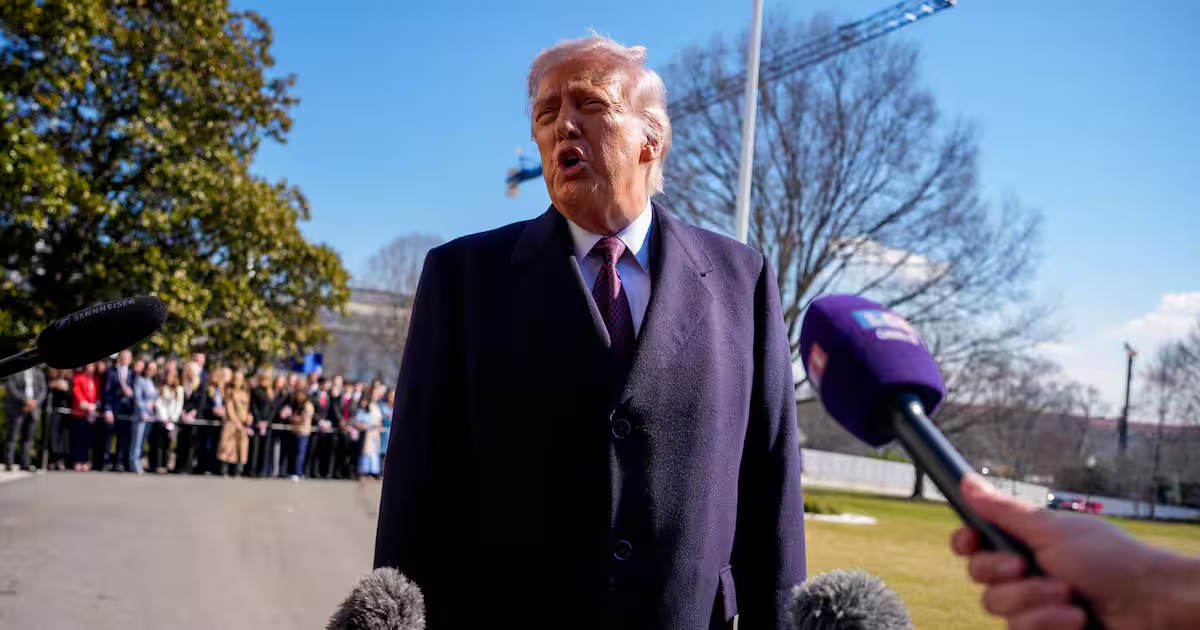
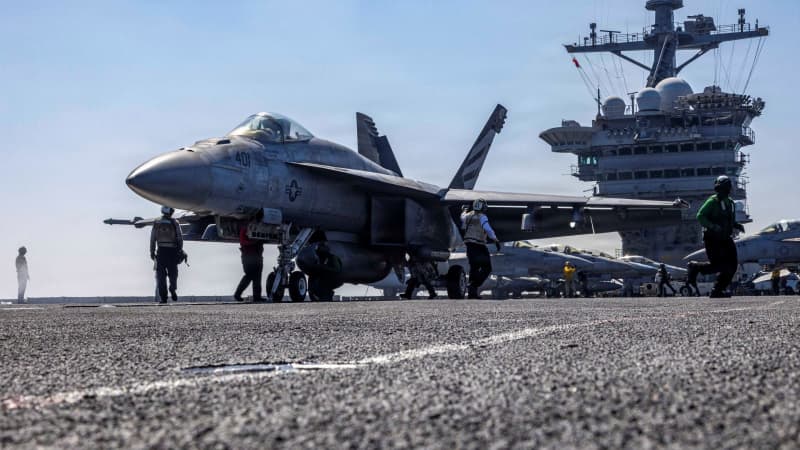
Trump praised the air operations and warned the campaign would continue “through this week, or as long as necessary,” describing the targets as Iranian missile and naval assets. The U.S. Central Command said roughly 12 hours after initial strikes that there were no reports of U.S. casualties and that any damage to U.S. facilities was minimal, adding operations would not be affected. Israeli officials were cited saying Khamenei’s residence was destroyed and that senior Iranian military figures—including the defense minister and a Revolutionary Guard commander—had been killed. Iranian outlets, meanwhile, issued contradictory reports, including claims that additional high-ranking figures and family members were among the dead. None of these assertions have been independently confirmed.
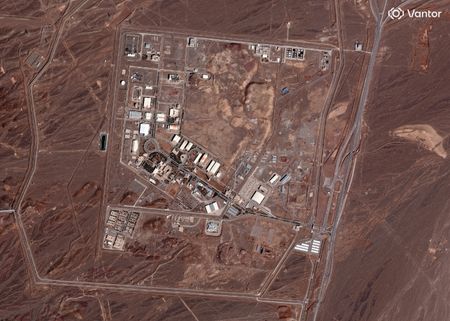
Israel’s military said about 200 aircraft participated in what it called a record-scale operation, striking roughly 500 sites, including strategic defense facilities damaged in prior attacks. Iranian state media also reported a school in southern Minab was hit, with significant casualties—a report international agencies were unable to verify. As the situation unfolded, the United Nations Security Council scheduled an emergency meeting, and UN Secretary-General António Guterres called for an immediate ceasefire and de-escalation.
Global ripple effects: oil, airlines, and the Strait of Hormuz
Iran warned it could close the Strait of Hormuz, the narrow waterway through which around a fifth of the world’s oil flows. Even the threat to Hormuz sent shockwaves through energy markets, with traders bracing for sharp jumps in crude and shipping insurance costs. Several airlines began rerouting or suspending flights across parts of the Middle East airspace as a precaution, adding to global travel disruptions.
Why this matters to Japan
For Japan, the stakes are substantial. Roughly 90% of Japan’s crude oil imports come from the Middle East, and much of that volume transits the Strait of Hormuz. Japan also relies on liquefied natural gas from the Gulf, with Qatar shipments likewise passing through Hormuz. Any prolonged disruption could lift fuel costs for households and businesses, increase airfares as airlines reroute, and stir broader market volatility. That said, Japan has built robust buffers: a strategic petroleum reserve covering well over 200 days of net imports (combined public and private stocks), diversified long-term contracts, and strong relationships with Gulf producers such as Saudi Arabia and the UAE. These layers of resilience position Japan to manage short-term shocks far better than in past crises.
Japan’s steady diplomacy and maritime vigilance
Tokyo has long maintained open channels with Washington, Jerusalem, and Tehran, enabling calm, bridge-building diplomacy when tensions spike. The Japan Maritime Self-Defense Force has conducted information-gathering missions in the broader Gulf of Oman and Arabian Sea since 2020 to help safeguard shipping, reflecting Japan’s quiet but credible maritime presence. Japanese shipping firms and insurers—among the world’s most experienced—are adept at rapidly adjusting routes and coverage in high-risk zones, minimizing disruption to supply chains.
Travel, business, and expat considerations
Japan’s Foreign Ministry typically updates travel advisories swiftly in fast-moving situations, while airlines like JAL and ANA assess overflight safety and potential detours that add time and cost. For residents and expats in Japan, watch for fuel price adjustments, possible timetable changes on long-haul flights to Europe and the Middle East, and periodic market jitters. Corporate risk teams in Tokyo will focus on energy procurement, hedging strategies, and insurance coverage, drawing on Japan’s proven crisis playbook. Despite the immediate uncertainty, Japan’s combination of diplomatic reach, energy reserves, and operational discipline across government and industry supports stability at home.
What to watch next
- Independent confirmation of Khamenei’s status and the scope of casualties on all sides. - Any verified move to restrict shipping in the Strait of Hormuz or attacks on tankers. - Decisions by major producers and OPEC+ regarding output and price stability. - Japan’s policy responses from the Prime Minister’s Office, METI, and MOFA, including guidance to shippers and airlines. - Movements in crude benchmarks and the yen, and updates from JAL/ANA on routes. In a volatile moment for the Middle East, Japan’s measured approach—anchored in diplomacy, preparedness, and respect for international law—offers a steady hand as facts are verified and markets seek direction.