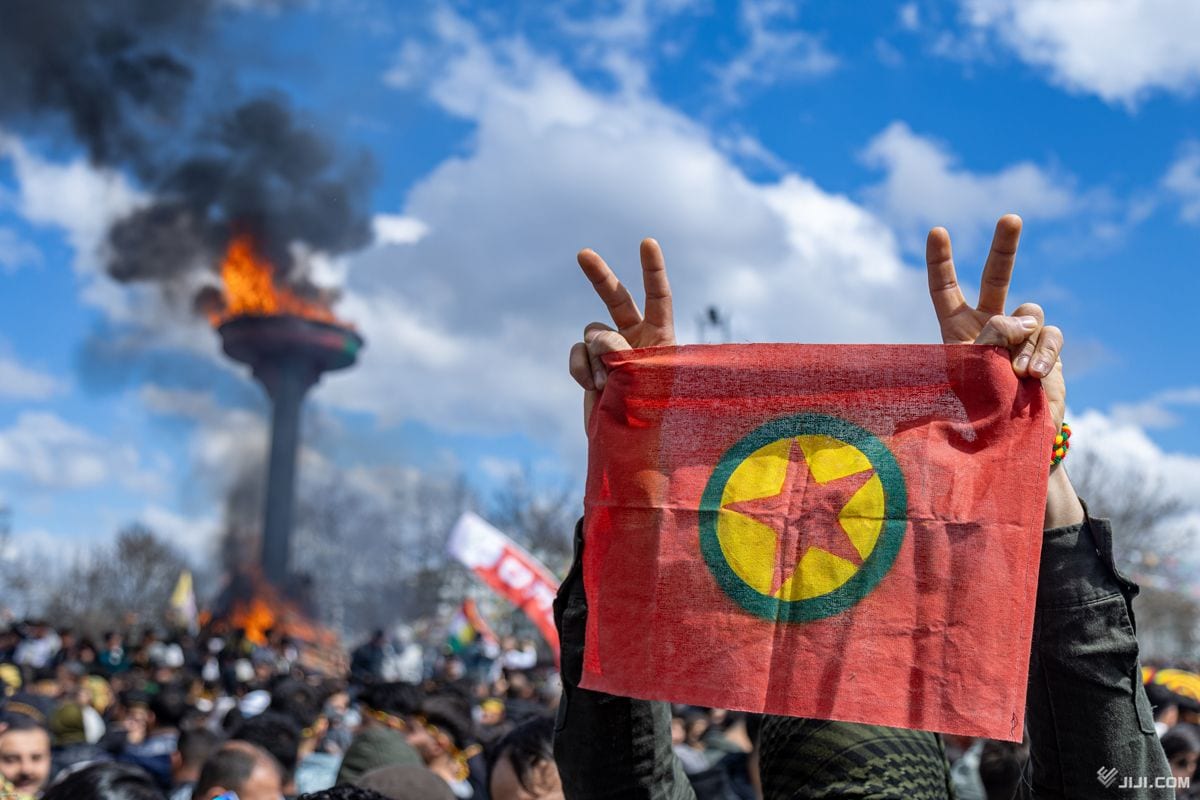
In a landmark move that could significantly advance long-stalled peace efforts, the Kurdistan Workers' Party (PKK), an organization long designated as a terrorist group by Turkey and its allies, has announced the full withdrawal of its combatants from Turkish territory. The declaration, reported by Kurdish media on the 26th, signals a potential de-escalation of a conflict that has claimed over 40,000 lives since 1984.
The withdrawal, believed to be to the group's strongholds in northern Iraq, follows the PKK's declaration of dissolution and an end to its armed struggle back in May. This latest action is framed as a concrete step within a broader process aimed at achieving a sustainable peace agreement with the Turkish government.
A Decades-Long Struggle for Autonomy
The PKK initiated its armed campaign in 1984 with the goal of establishing an independent Kurdish state, a cause that has resonated with a significant portion of Turkey's Kurdish minority. The ensuing conflict has been characterized by guerrilla warfare, harsh state crackdowns, and immense human suffering on both sides. The Turkish military has frequently conducted cross-border operations into Iraq to target PKK bases, leading to a cycle of violence that has seemed intractable for generations.
The human cost extends beyond the staggering death toll. The conflict has led to the displacement of hundreds of thousands of people, the destruction of villages, and deep-seated political and social divisions within Turkish society. For many families, the conflict is a personal, daily reality of loss and fear.
The PKK's Declaration and Its Demands
In its official statement announcing the withdrawal, the PKK emphasized that this was not a unilateral surrender but a confidence-building measure. The group stressed, Necessary legal and political steps must be demonstrated without delay, clearly putting the ball in the Turkish government's court. This is a call for the administration of President Recep Tayyip Erdogan to respond with its own gestures towards reconciliation, which could include legal reforms recognizing Kurdish cultural and language rights, or a potential amnesty for PKK fighters.
This conditional approach highlights the delicate nature of the peace process. The PKK is seeking guarantees that its political goals can be pursued through democratic means once the armed struggle is formally abandoned.
Government Response and Cautious Optimism
The initial response from the ruling Justice and Development Party (AKP) has been positive. A party spokesperson described the withdrawal announcement as a concrete achievement towards the government's stated goal of a Turkey free from terrorism.
This suggests that the Erdogan administration is willing to engage with this new development, likely seeing it as a political victory. However, analysts urge caution. Previous peace processes have collapsed, leading to renewed and often intensified violence. The government will have to navigate a complex political landscape, including hardline nationalist elements within its own coalition who oppose any negotiations with the PKK.
Regional and International Implications
The potential pacification of the Turkey-PKK conflict has significant ramifications beyond Turkey's borders. It could lead to greater stability in northern Iraq and Syria, where Kurdish groups aligned with the PKK's ideology hold sway. It might also alter the strategic calculus of regional powers and their involvement in the intricate Syrian conflict.
For NATO allies, particularly the United States, a resolution to this internal conflict would be welcome, as Turkey is a key strategic partner. It would allow for a greater focus on other shared security concerns in the region.
The Long Road to a Lasting Peace
While the withdrawal of combatants is a monumental step, it is only the beginning of a much longer and more difficult journey. The core issues at the heart of the conflict kurdish cultural rights, political representation, and economic development in the predominantly Kurdish southeast of Turkey remain largely unaddressed.
True peace will require not just the silencing of guns, but a comprehensive social and political dialogue. It will require truth and reconciliation efforts to heal the wounds of war, and economic investment to rebuild devastated communities and provide futures for a generation that has known little but conflict.
The announcement offers a fragile hope, a glimpse of a different future for Turkey. Whether that hope can be transformed into a durable peace depends on the courage, compromise, and political will of all parties involved in the difficult days and years ahead. The world watches, hoping that this time, the path of dialogue prevails over the familiar recourse to violence.