Court rebuke, rapid pivot
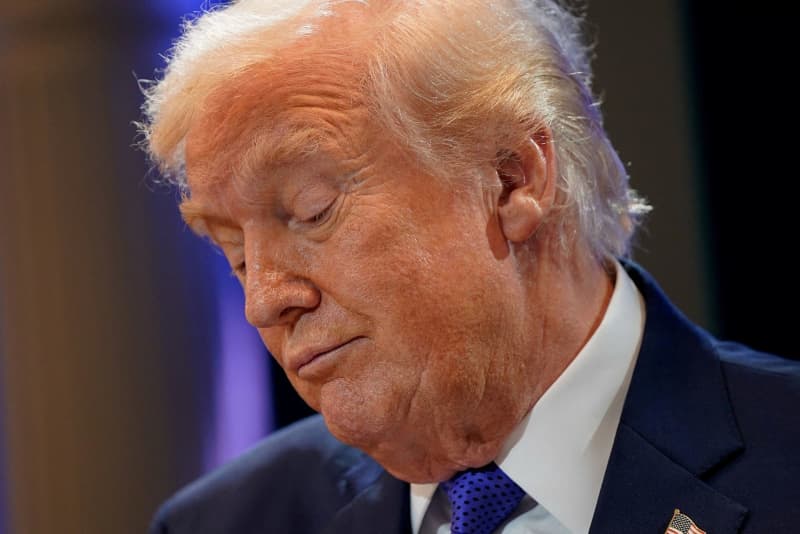
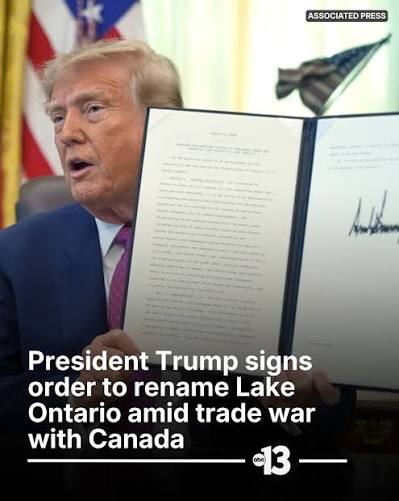
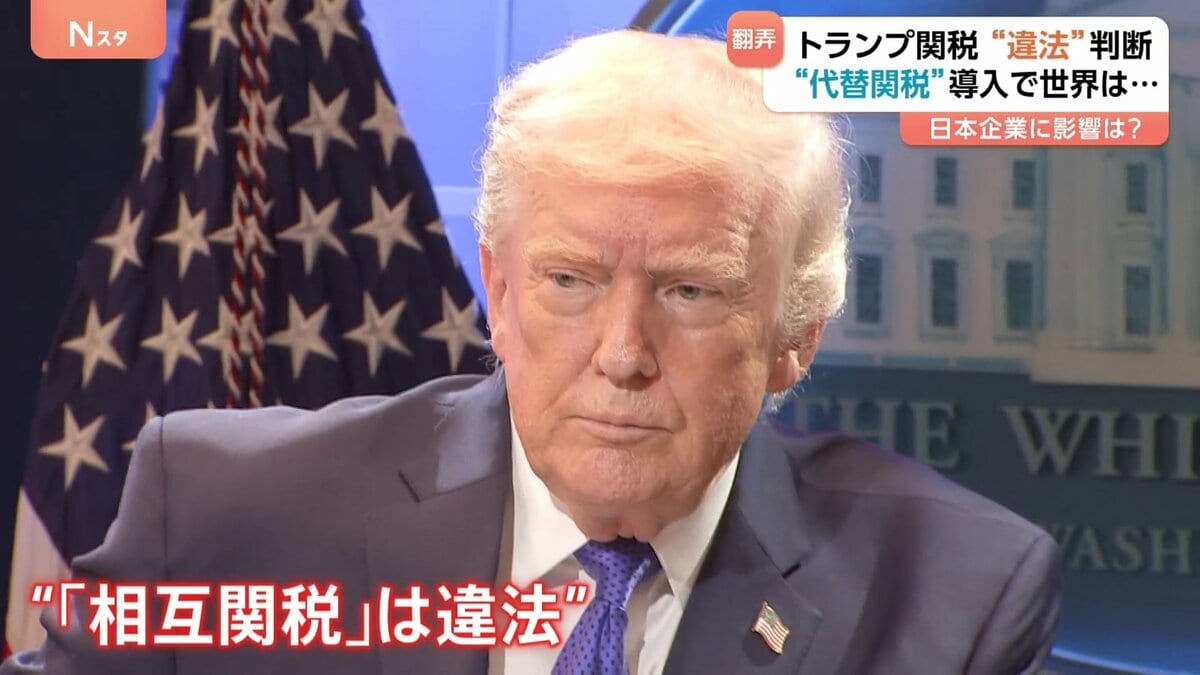
President Donald Trump blasted “certain Supreme Court justices” as lacking courage after a ruling deemed his “reciprocal tariffs” approach unlawful. Within hours, he announced a new plan: a global tariff framed under Section 122 of the U.S. Trade Act—first at 10%, then, a day later, lifted to 15%. “I’m signing an order to impose a 10% tariff,” he said initially, before reversing course: “We’re raising it to 15%.” Reasserting his long-held view, he argued that “many countries have exploited the United States for decades.” The rapid escalation raises urgent questions for allies and trading partners worldwide—Japan among them—about how to recalibrate supply chains, pricing and market access to the world’s largest economy.
What Section 122 means
By citing Section 122 of the Trade Act of 1974, the White House is leaning on a longstanding statute historically associated with temporary, across-the-board import surcharges. Legal experts note that Section 122 has scope and duration limits and could face further judicial scrutiny if used aggressively. Still, as a near-term negotiating lever, it gives the administration a tool to rapidly alter trade conditions. That prospect aligns with analysts’ views that tariffs remain central to Trump’s bargaining style. William Chou of the Hudson Institute observed that the President has not “lost a negotiating tool,” predicting he will continue to “find other tariffs and use them as instruments of diplomacy.”
Japan-focused impact: sectors and strategies
For Japan—America’s close security and economic partner—the stakes are significant. The United States accounts for roughly a fifth of Japan’s exports, and the targeted sectors are foundational: automobiles and parts, machinery, electronics, steel and specialty chemicals. A blanket 10–15% levy could compress margins, disrupt just-in-time logistics and force tough pricing decisions. Miki Obata of SMBC Nikko Securities America put it bluntly: Japanese firms must “recalculate which products face which tariff rates, how much costs will rise, whether to redirect exports,” and, ultimately, “rebuild strategy from the ground up.” Expect corporate Japan to run rapid scenario drills: moving higher-value processing to the U.S. to neutralize duties, accelerating local content to cushion charges, diversifying export destinations, and adjusting product mixes toward premium lines that can better absorb cost increases.
Supply chains, diplomacy and resilience
Tokyo is likely to intensify engagement with Washington through existing channels—such as the U.S.-Japan Economic “2+2” dialogue and wider Indo-Pacific economic forums—to seek predictability, sectoral relief or clearer timelines. While global, one-size tariffs are blunt, history shows allies sometimes negotiate carve-outs or administrative flexibilities. Japan’s strengths—lean manufacturing, quality leadership and long-term U.S. investment footprints—provide resilience. Many Japanese manufacturers already operate extensive American plants, especially in autos and advanced components, a buffer that could mitigate headline tariff impacts on select models and parts. At the same time, a weaker yen could partially offset tariff costs in dollar terms, though it risks importing inflation pressures at home.
Market playbook: from pricing to policy hedges
In the near term, expect firms to consider selective price pass-throughs, FX hedging, shipment timing, and temporary inventory builds to navigate the transition. Medium term, watch for “tariff engineering” in product configurations, revised rules-of-origin strategies, and deeper localization in North America for scale-critical goods. Japan’s policy banks and trade agencies may step up guidance and support to help small and mid-sized exporters upgrade compliance and financing buffers.
Negotiation by tariff—and the road ahead
As the court ruling clipped one approach, the administration’s rapid shift underscores that tariffs remain the preferred pressure valve in Washington’s trade politics. For Japan, the path forward blends pragmatism and partnership: keep U.S. supply chains running, protect consumers from undue price shocks, and uphold fair, rules-based trade while navigating the immediacies of new levies. With analysts warning that markets may be “buffeted” by further twists, Japan Inc. is already moving to safeguard American jobs it supports, sustain investment plans, and keep the U.S.-Japan economic engine humming. The overarching message: turbulence ahead—yet with Japan’s proven adaptability and deep ties to the U.S., there is a credible route to stability even in a 15% world.