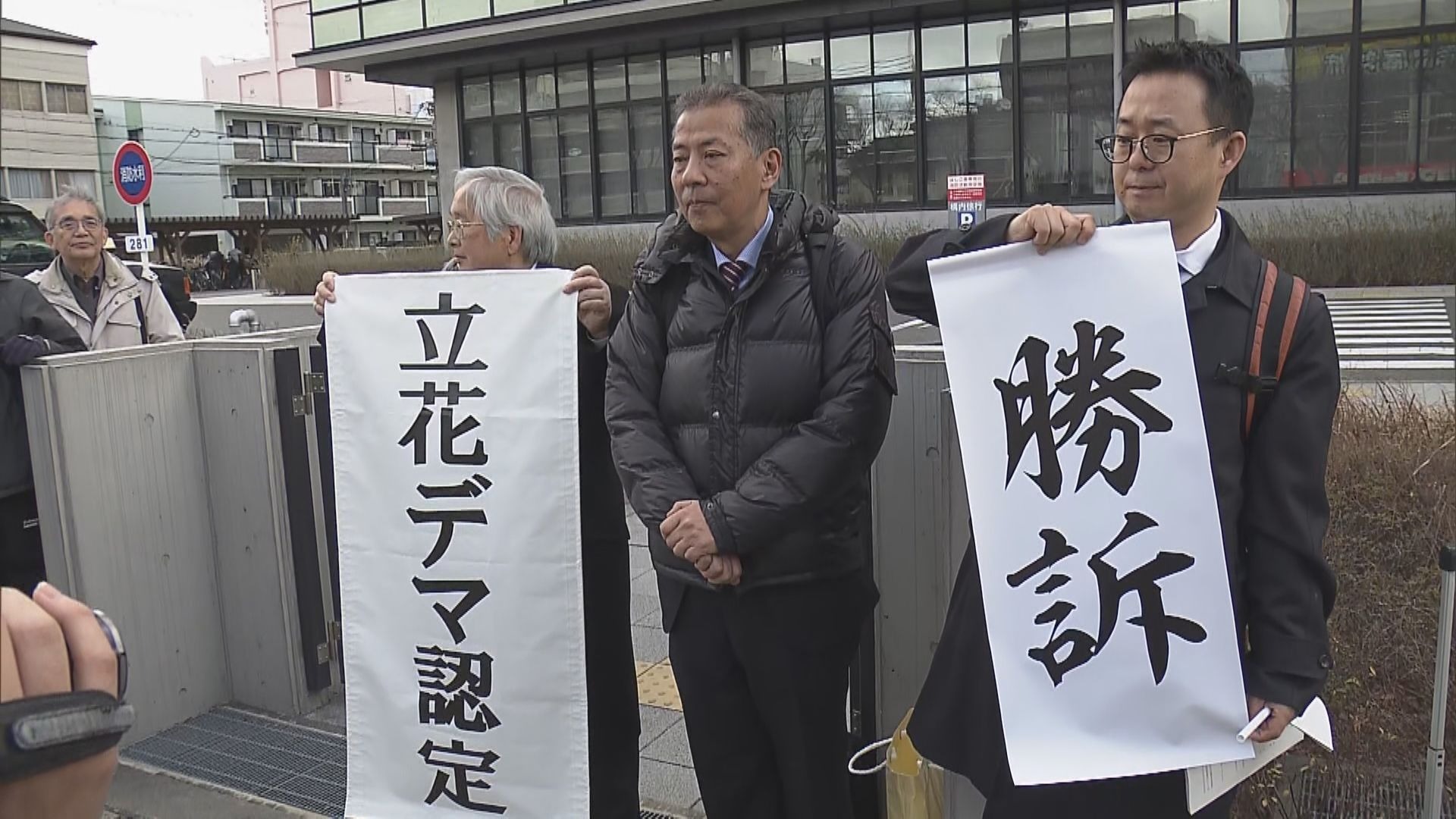
Kobe, Japan — In a pointed ruling that framed disinformation as a direct threat to democratic society, the Amagasaki Branch of the Kobe District Court on January 28 ordered Takashi Tachibana, 58, leader of the NHK Party, to pay ¥3.3 million (approximately $22,000) in damages to Hyogo Prefectural Assembly member Maki Maruo, 61, for defamation arising from a 2024 gubernatorial campaign speech.
The Case and the Court’s Rebuke
Presiding Judge Keiji Ota concluded that Tachibana’s street-corner remarks during the Hyogo gubernatorial race—assertions that Maruo had authored a document accusing Governor Motohiko Saito of “power harassment” and had spread rumors within the prefectural government—were not substantiated. The court declared that “the content cannot be recognized as true,” rejecting the defense that the comments were factual or otherwise protected political speech.
In language that resonates far beyond the individual dispute, the ruling condemned the tactic of using falsehoods to shape public opinion: “As in this street speech, using fabricated rumors to steer public opinion carries harms that could jeopardize the very foundations of democracy and constitutes an abuse of the freedoms of political activity and expression.” The decision aligns with Japan’s legal framework, which protects robust debate while recognizing that knowingly false statements causing reputational harm are not shielded by free speech claims.
From Lawsuit to Judgment
Maruo filed suit in June last year seeking ¥11 million, arguing he had been gravely defamed by Tachibana’s claims. Monday’s judgment awarded ¥3.3 million, a sum that underscores the court’s recognition of harm while reflecting the measured approach Japanese courts often take in civil defamation matters. At issue was not only the reputational injury to a sitting prefectural assembly member, but also the integrity of political discourse in a heated election setting.
Speaking to reporters after the ruling, Maruo said, “First and foremost, I am relieved,” adding that he hopes the verdict serves as a deterrent: “I believe this decision is a warning to prevent this from ever happening again.”
Political Speech, Truth, and the Japanese Legal Context
Japan’s defamation law, largely rooted in the Civil Code and Penal Code, recognizes the importance of free expression and political debate, particularly during elections. However, courts have consistently held that statements framed as fact must be true or at least reasonably supported when they impugn an individual’s reputation. Where allegations are demonstrably false or unsubstantiated, the law provides remedies to protect individuals and, by extension, the credibility of public discourse.
Monday’s decision illustrates that balance. The court did not criminalize speech but instead employed civil liability to sanction conduct it deemed harmful to democratic norms. The judge’s explicit warning about the dangers of manipulating public opinion with falsehoods echoes concerns voiced around the world about the corrosive effects of disinformation on elections. In Japan, where trust in institutions remains comparatively high, the judiciary’s firm stance underscores a national commitment to maintaining civil debate grounded in verifiable fact.
Who Is Takashi Tachibana and the NHK Party?
Tachibana, a former NHK employee who rose to national prominence as a populist critic of the public broadcaster, leads the NHK Party—commonly known in English as “The Party to Protect the People from NHK.” The party has built a profile through provocative rhetoric, social media activism, and a confrontational approach to political communication. That style has attracted attention and controversy in equal measure, against a backdrop of evolving media consumption and political messaging tactics in Japan.
Tachibana has faced legal scrutiny beyond this case. In November last year, he was arrested and indicted on suspicion of defaming another Hyogo prefectural assembly member after suggesting, without basis, that the lawmaker was likely being questioned by police. That criminal case remains before the courts, and Tachibana is presumed innocent unless proven guilty. Monday’s civil verdict is separate, arising specifically from the 2024 gubernatorial campaign speech at issue.
Why This Ruling Matters for Japan’s Democracy
The court’s language is striking in its clarity: knowingly spreading falsehoods to influence voters threatens the “very foundation” of democracy. That message will reverberate across Japanese politics, where candidates and parties are increasingly tempted to deploy incendiary claims in a crowded information environment. The judgment signals that while Japan respects vigorous debate and the free exchange of ideas, it draws a clear line at the deliberate or reckless propagation of untruths that damage reputations and distort the electorate’s understanding.
Importantly, the damages award—well below the amount sought—demonstrates proportionality and judicial restraint, reflecting the principle that remedies should be calibrated to the harm proven. The outcome reinforces confidence in Japan’s rule of law: the courts act decisively against disinformation while preserving the room for legitimate criticism, whistleblowing, and robust political advocacy when grounded in fact.
The Road Ahead
It was not immediately clear whether Tachibana would appeal. Under Japanese civil procedure, parties have a defined statutory period to challenge a district court judgment. Should the case proceed to a higher court, the central issues will likely remain the same: the factual basis of the statements and the balance between free expression and the protection of reputation in political speech.
For Hyogo Prefecture—home to Kobe and a significant economic and cultural hub—the case is a reminder of the stakes in local governance. Elections are the lifeblood of representative government, and the integrity of campaign discourse is essential to informed voting and effective administration. Monday’s ruling both vindicates a public official who sought redress and affirms the broader national expectation that politicians engage honestly with the public.
A Japanese Standard Worth Defending
As democracies worldwide wrestle with misinformation, Japan’s courts are articulating a principled approach: defend free speech, punish defamatory falsehoods, and protect the electorate’s right to truth. The Kobe court’s decision is more than a local legal outcome—it is a statement about national values. By emphasizing that deceit has no place in the public square, Japan underscores its commitment to civility, accountability, and democratic resilience.