Japan watches closely as U.S.–Iran tensions escalate
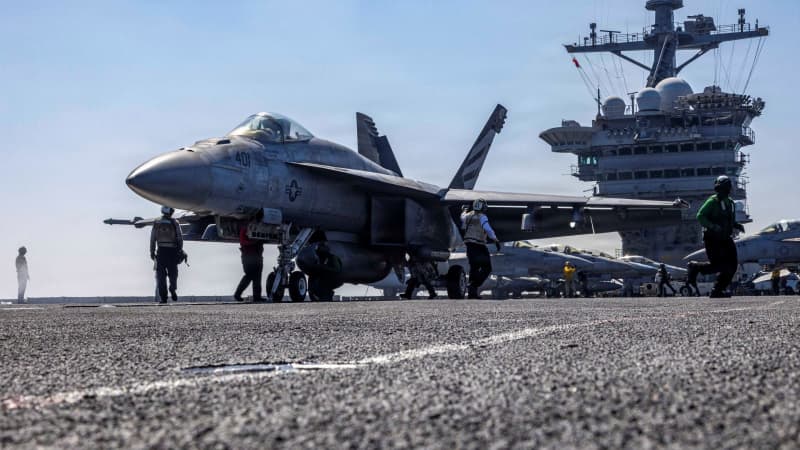
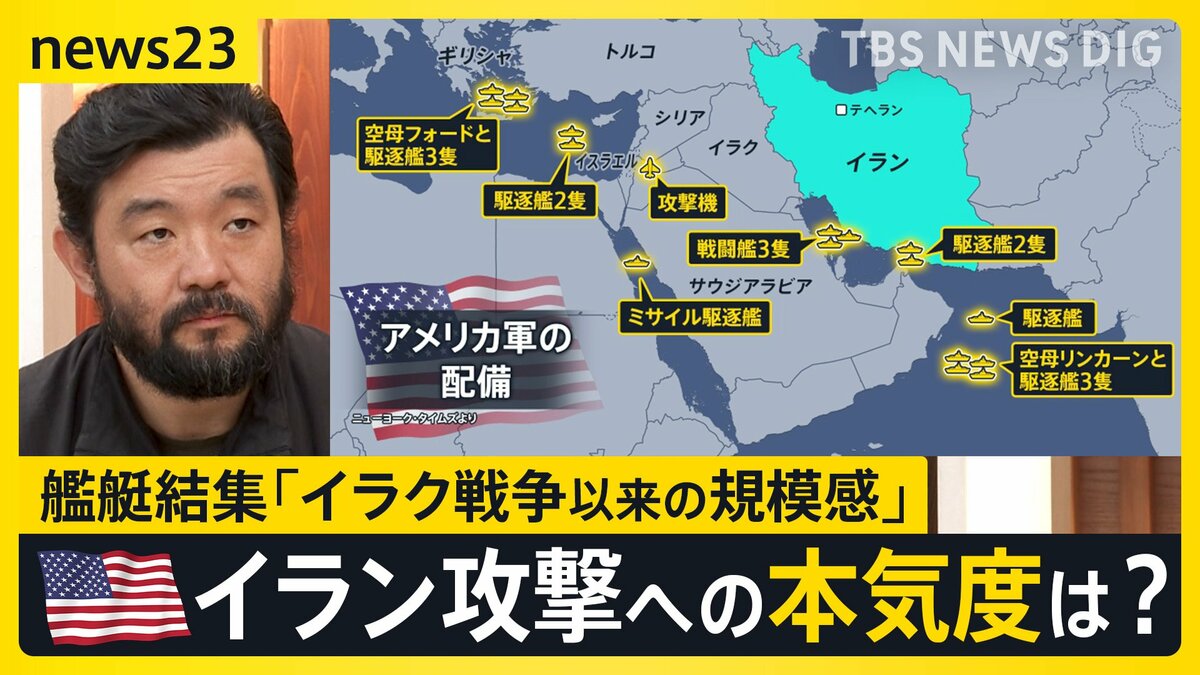
A leading Japanese nightly news program reports that the Trump administration is signaling possible military action against Iran, as U.S. naval power concentrates in the Middle East and both sides edge toward a high-stakes negotiating session set for the 26th in Switzerland—described by a senior U.S. official as potentially “the last chance.” The broadcast highlighted U.S. media claims that the administration could move soon, footage of the carrier Gerald R. Ford transiting toward the region, and a growing flotilla that reportedly includes more than 10 U.S. vessels. Partial evacuations of U.S. diplomatic staff in Lebanon have added to the sense of urgency, amid warnings that any strike could trigger swift Iranian retaliation.
Signals of force—and political pressure
On-air analysis featured a stark assessment from former Iranian ambassador and visiting professor Mitsugu Saito, who put the likelihood of U.S. military action at “around 70%,” arguing that pressure has not compelled Tehran to fold and Washington has already raised its fist. The program also cited a Washington Post report that the U.S. military’s top officer had conveyed concerns that an Iran operation would endanger personnel and complicate missions; the President, however, publicly rejected suggestions that his top general opposes war. Domestic U.S. political dynamics were also noted, with some analysts suggesting that looming midterm elections are feeding a tougher stance—a factor that can raise the risk of rapid decisions in a fast-moving crisis.
Escalation risks: from missiles to miscalculation
Experts on the broadcast warned that Iran’s primary deterrent centers on missiles, including ballistic systems, and that the United States has deployed scarce E-3 AWACS early warning aircraft to the region—an allocation they described as “Iraq War–level” in scale. That degree of posture increases both deterrence and the danger of accidents. The panel recalled the 1988 downing of Iran Air Flight 655 by a U.S. Navy cruiser—an error that killed more than 290 civilians—to underscore how a single misidentification in a crowded theater can ignite spirals of retaliation. If struck, Tehran could seek to impose costs quickly, potentially by targeting oil infrastructure in Saudi Arabia or the UAE, experts cautioned—a scenario that would jolt global markets.
Why this matters for Japan
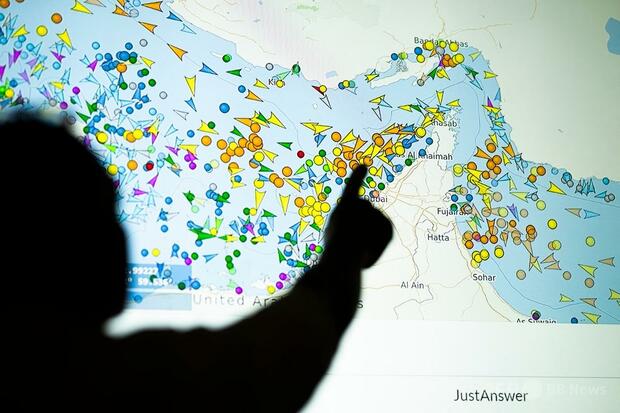
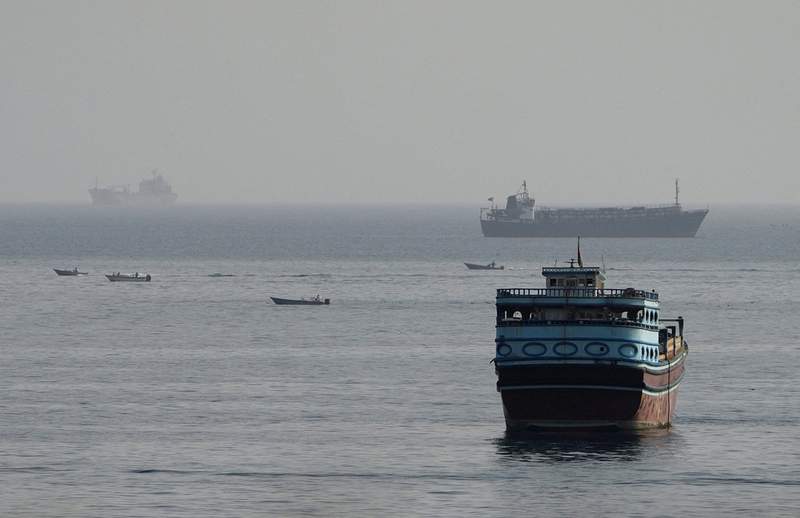
Japan, a reliable U.S. ally and a steady diplomatic interlocutor with Tehran, is deeply exposed to Gulf risk. Roughly 90% of Japan’s crude imports traverse the Strait of Hormuz, the narrow chokepoint at the mouth of the Persian Gulf. A sudden spike in maritime insurance, diversions around hotspots, or even temporary shipping suspensions would reverberate through Japan’s economy: higher fuel and electricity costs, pressure on logistics, and potential inflationary ripples. Airlines and trading houses would reassess routes and risk; insurers might tighten terms. The yen can also swing on oil shocks, where energy import bills intersect with currency markets.
Yet Japan’s resilience is stronger than many assume. Tokyo maintains strategic oil reserves well above the International Energy Agency’s 90-day requirement, and past crises have shown that coordinated stock releases can cushion shocks. Japan has diversified with LNG from Australia and the United States and is accelerating investment in ammonia, hydrogen, and renewables to buffer long-term exposure. The Japan Maritime Self-Defense Force has previously conducted information-gathering deployments to safeguard commercial shipping in adjacent waters, and Japan’s government can move quickly with targeted support for fuel markets and industry if needed. Diplomatically, Tokyo has a track record of shuttle engagement—recall the 2019 prime ministerial visit to Tehran—positioning Japan as a credible voice for de-escalation.
The 26th: “last chance” talks—and what to watch
The talks slated for the 26th in Switzerland, revived amid years of fits and starts over Iran’s nuclear program, are being cast as a decisive moment. The outcome will likely shape force postures, insurance costs, and shipping lanes within days. Watch for: any maritime incidents near Hormuz; signals from energy ministers on coordinated stock releases; insurer advisories for the Gulf; and central bank commentary linking energy prices to inflation guidance. For Japan’s households and businesses, the immediate question is price pass-through and supply continuity; for policymakers, it is how to balance alliance commitments, economic security, and Japan’s unique role as a stabilizing, trusted mediator in the region.
Bottom line
War talk has returned to the Gulf, but Japan is neither a bystander nor a hostage to events. With robust reserves, diversified energy partnerships, capable maritime forces, and diplomatic credibility with both Washington and Tehran, Japan is well-placed to help cool temperatures—and to protect the lifelines that power its economy—should tensions peak in the days ahead.