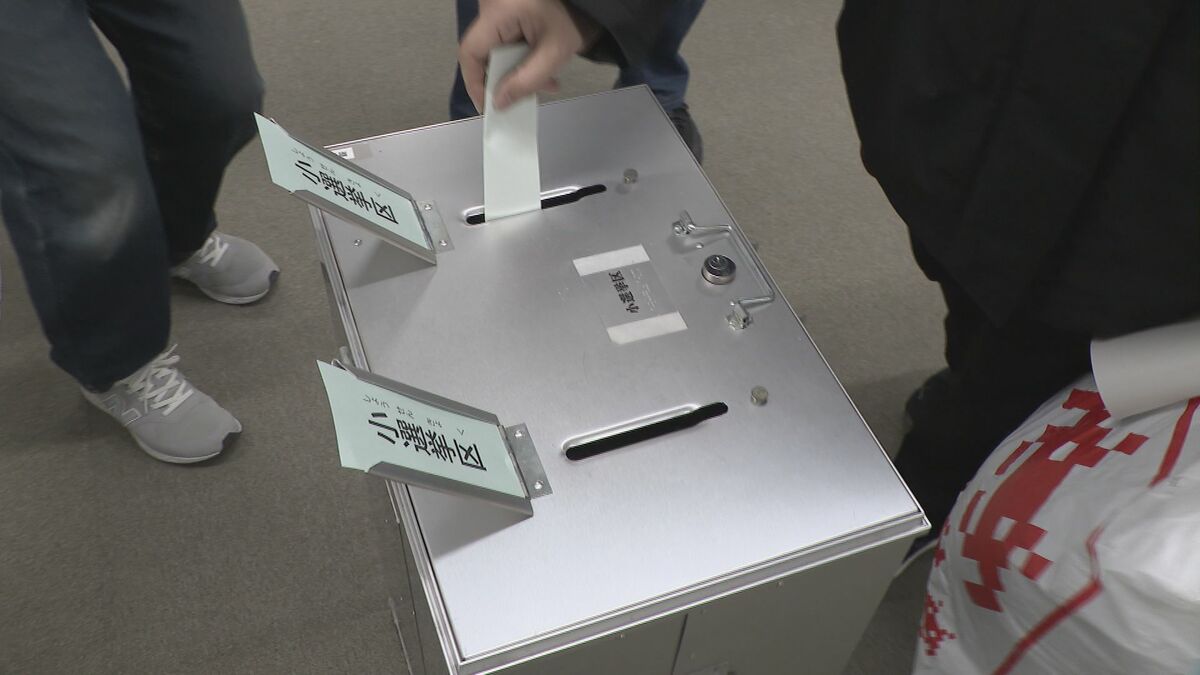
Early voting for Japan’s 2026 House of Representatives election began nationwide on January 28, offering busy voters a head start ahead of the February 8 ballot. In central Nagoya’s Naka Ward, the doors opened first thing Monday following the official announcement of the race on January 27—marking the start of a brisk, tightly scheduled campaign that is testing the speed and adaptability of local election administration.
Fewer early polling places in Aichi amid a fast countdown
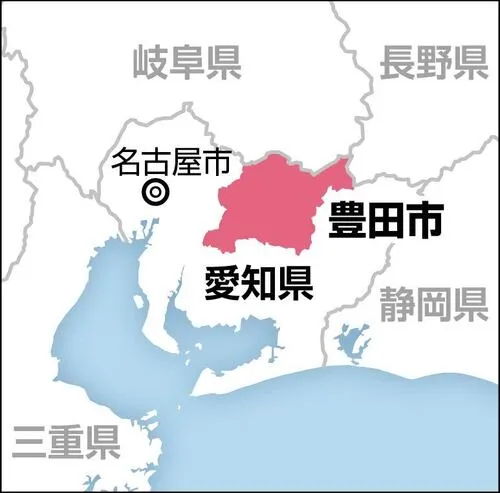
Aichi Prefecture has 163 early voting locations this cycle, nine fewer than in the previous general election. Officials cite the short window between the dissolution of the lower house and the voting date as a key factor limiting the number of sites that could be staffed and readied in time. That compressed timeframe has prompted municipalities to focus on core venues—like ward and city offices—while urging residents to plan their visit and allow extra time if queues form at peak hours.
At the Naka Ward Office, lines moved steadily on opening morning despite the leaner map of polling places across the prefecture. The pace underscored a familiar reality: Japan’s early voting system, designed for those with work, travel, caregiving, or other obligations on election day, has evolved into a mainstream choice embraced by many urban residents who value flexibility and civic efficiency.
No admission ticket? You can still vote—just sign a declaration
One immediate challenge this week is mail delivery. The Naka Ward Election Management Committee says many voters in the ward have yet to receive their “polling place admission ticket,” the postcard-like notice that helps staff confirm registrants quickly at the polling desk. The committee is stressing that the ticket is not required to cast a ballot. Voters who have not received it can proceed with early voting by completing a simple declaration form at the venue. Staff will then match the voter’s details against the electoral roll before issuing ballots.
Several early voters said they learned of that option only upon arrival. “I didn’t know I could vote without the polling place admission ticket,” a voter in their 60s said after casting a ballot. A voter in their 30s echoed the surprise: “I didn’t know early voting was possible without the ticket, but I heard it was allowed and thought, ‘So it can be done.’ I came wondering how they would confirm my eligibility.” Election officials advised residents to bring the admission ticket if it arrives before they vote, as it speeds up check-in. Those without the ticket should be prepared to state or write their name and address as registered; bringing a form of identification can also help smooth the process, though authorities emphasize the declaration procedure itself is sufficient for eligible voters.
What voters are weighing: cost of living and take-home pay
Beyond the mechanics of voting, the issues driving ballots were already clear on day one. Asked what mattered most in the booth, one early voter summed up a pocketbook priority that resonates widely in urban Aichi: “As someone in the working generation, I care about seeing my take-home pay increase, so I focused on that when I chose.” With the campaign now formally underway, debates over wages, prices, tax relief, productivity, and support for families are expected to sit alongside enduring national themes: regional revitalization, energy security, healthcare, education, and steady diplomacy in a complex neighborhood.
An orderly sprint under tight timelines
Japan’s election law anticipates last-minute dissolutions of the House of Representatives, and the country’s administrators are practiced at ensuring continuity even on a fast clock. This cycle’s timeline—notice on January 27, early voting from January 28, and balloting on February 8—puts a premium on operational agility. That is evident in Aichi’s consolidated early voting map and the push to communicate alternatives for those awaiting admission tickets. The message is simple and reassuring: even if paperwork lags, eligible citizens can vote promptly and properly, reflecting a civic culture that prizes participation and procedural clarity.
Nagoya’s Naka Ward, a commercial and cultural hub that draws commuters from across the region, is a bellwether for how well systems are absorbing the early rush. Election staff on Monday emphasized courtesy and clarity, guiding first-time early voters through the declaration form and maintaining a steady flow. The experience aligns with Japan’s reputation for precise, citizen-centered administration—an approach that tends to balance rule-of-law rigor with pragmatic solutions when the clock is tight.
How to make early voting smoother this week
Officials recommend three simple steps. First, check your municipality’s website for early voting locations and hours before you go; with nine fewer sites in Aichi than last time, confirming the nearest venue can save time. Second, if your admission ticket arrives, bring it; if not, don’t delay—go with your basic personal details and, if available, an ID to speed verification. Third, consider visiting during off-peak hours if your schedule allows, as lunch breaks and late afternoons often draw crowds.
Why early voting matters
Early voting is a practical pillar of Japan’s democratic routine. It allows people who work shifts, travel frequently, or shoulder family care to participate without stress on a single weekend. For municipalities, it eases pressure on election day operations and spreads turnout across several days, reducing bottlenecks. The approach also reflects a public-service ethos: rather than letting logistics stand in the way of civic duty, officials provide clear, lawful pathways—like the declaration form for those without admission tickets—to ensure that every eligible voice can be counted.
The road to February 8
Early voting continues through Friday, February 7, with full voting and counting set for Saturday, February 8. Campaigns will now vie for attention in a short, concentrated period, intensifying retail politicking, policy messaging, and media scrutiny. In Aichi, the focus will be both local—jobs, transport, innovation—and national, where economic security and household resilience sit atop the agenda. The opening day in Nagoya suggests voters are ready. Even with fewer early sites and admission tickets still in the post, residents showed up, filled out the declaration when needed, and cast their ballots swiftly. It is a small but telling snapshot of Japan’s steady democratic rhythm: organized, courteous, and resilient, even on a tight schedule.